

When to Call Your Doctor for PMU Infection & Allergies
Tattoo Complications: Infections & Allergic Reactions
Tattoo-related infections are seen days to decades after tattooing, and range from acute pyogenic infections to cutaneous tuberculosis. In particular, non-tuberculous mycobacterial infections happen in tattoos with increasing frequency and are introduced at the time of tattooing through contaminated ink or water used to dilute inks. Despite a transition in tattoo pigments from metal salts to industrial azo dyes, hypersensitivity reactions also persist, and include eczematous, granulomatous, lichenoid, and pseudoepitheliomatous patterns (among others).
Complications of decorative tattoos: recognition and management, MM Shinohara, 2014
What Are the Common Signs of Infection After Permanent Makeup?
How to Recognize Redness, Swelling, and Pus as Infection Symptoms
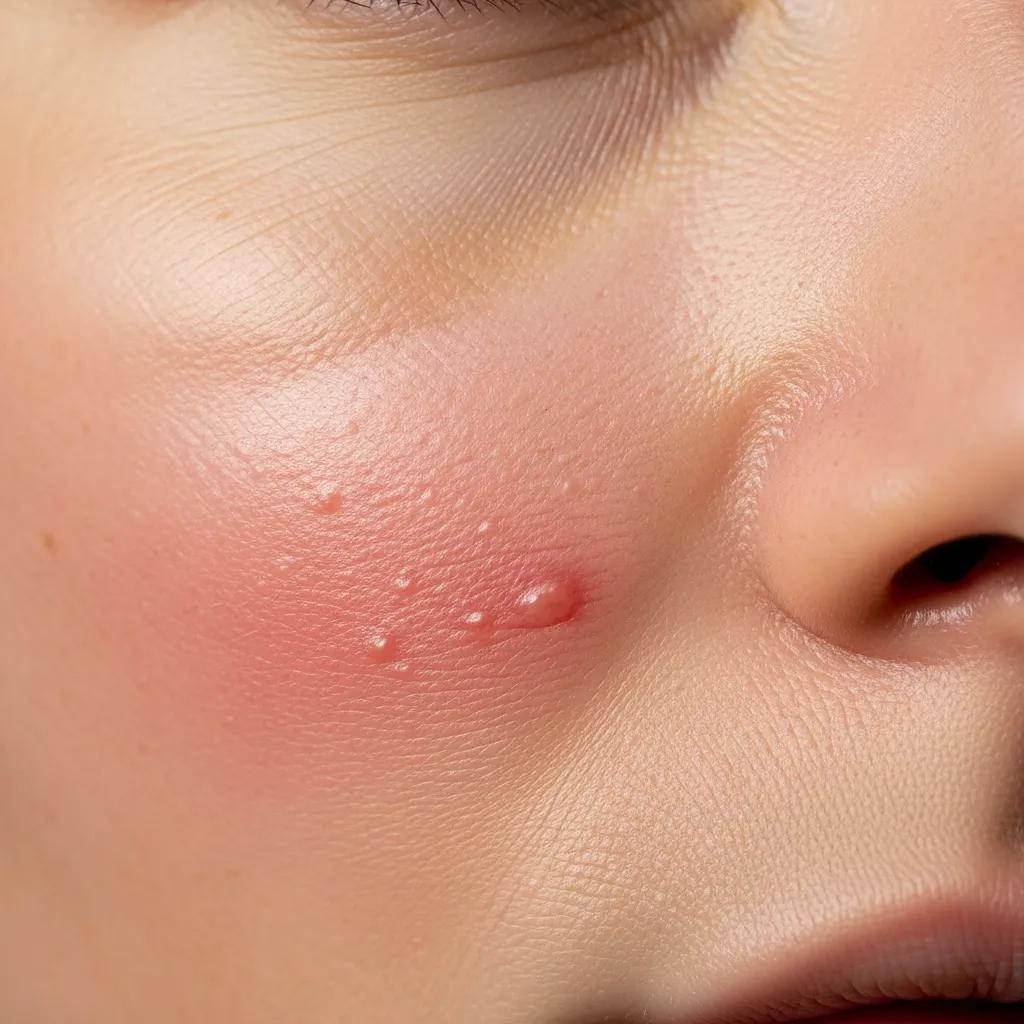
When Does Fever Indicate a Serious PMU Infection?
Which Allergic Reaction Symptoms Require Immediate Medical Attention?
What Are the Signs of Severe Swelling and Blistering After PMU?
How to Identify Breathing Difficulties and Hives Related to PMU Allergies
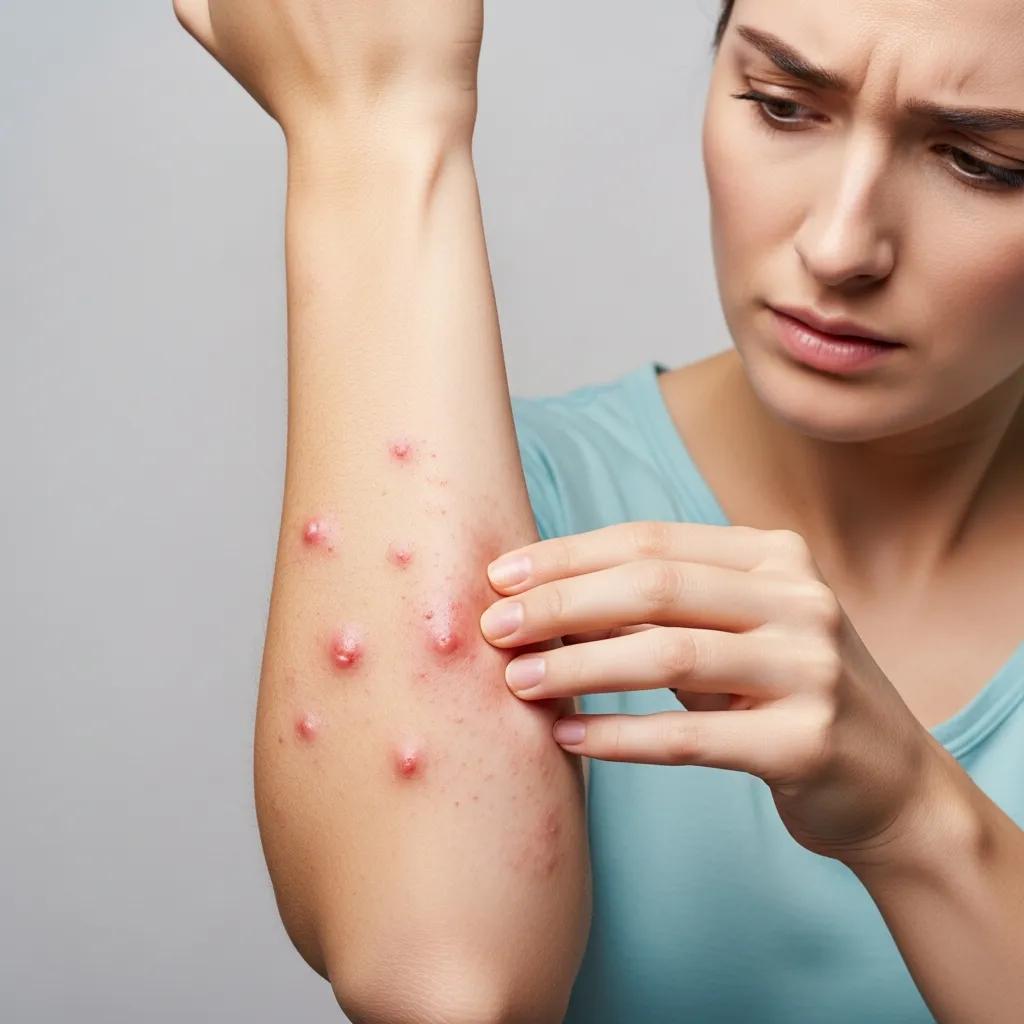
Tattoo Skin Reactions: Infections & Allergic Dermatitis
clinical implications, including inflammatory reactions, infections, scarring, and even associations with cutaneous malignancies. This review explores the natural course of tattoo-related skin reactions, focusing on the acute and chronic inflammatory responses to pigment deposition, including allergic contact dermatitis, lichenoid reactions, and granulomatous inflammation.
Tattoo-Related Skin Reactions: Clinical Complications, Emerging Trends, and Management Strategies, 2025
When Should You Contact Your Doctor Versus Your PMU Technician?
What Minor Aftercare Concerns Can Be Handled by Your Technician?
Which Emergency Signs Necessitate Immediate Doctor Consultation?
How Can You Prevent PMU Complications Through Proper Aftercare?
What Hygiene and Product Use Practices Reduce Infection Risk?
How Does Sun Protection and Activity Restriction Support Healing?
| Aftercare Practice | Importance | Recommended Action |
|---|---|---|
| Hygiene | Reduces infection risk | Wash hands before touching treated area |
| Sun Protection | Prevents irritation and pigment fading | Use sunscreen on treated areas or cover them |
| Activity Restriction | Supports healing | Avoid strenuous activities and excessive sweating for about 7-10 days |