

Person With Vitiligo Smiling Confidently Showcasing Effective Medical Micropigmentation For Skin Camouflage

Key Takeaways

  • Vitiligo camouflage with medical micropigmentation offers a semi-permanent solution for blending white patches with natural skin tone.
  • Medical micropigmentation requires skilled professionals for precise color matching and natural-looking results.
  • The procedure can significantly improve self-esteem and quality of life for vitiligo patients.
  • Ideal candidates have stable vitiligo and undergo thorough consultation to set realistic expectations.
  • Results typically last 1 to 3 years and require proper aftercare to maintain pigment vibrancy.

Living with vitiligo can be a deeply personal journey, often accompanied by emotional challenges stemming from visible changes in skin pigmentation. If you’ve been seeking a way to feel more at ease and confident in your skin, medical micropigmentation might be the empathetic and effective approach you’re looking for. Let’s walk through what this specialized camouflage entails and how it might help you reclaim your sense of self.

Indeed, the psychological impact of vitiligo is significant, making solutions that enhance self-esteem and quality of life particularly valuable.

Vitiligo Camouflage: Improving Self-Esteem & Quality of Life

Vitiligo can be associated with social stigma, especially in darker skin types. Unlike most internal illnesses, skin diseases like vitiligo are often immediately visible to others and therefore may lead to significant psychosocial consequences. Focusing on enhancing self-esteem and improving the quality of life in vitiligo patients should be an important part of the management of vitiligo. Studies have shown that cosmetic camouflage can definitely improve the quality of life in patients with vitiligo. Patients should also be helped in selecting and using a camouflage preparation that best suits their needs.

Camouflage for patients with vitiligo, F Kaliyadan, 2012

What is Vitiligo Camouflage and How Does Medical Micropigmentation Work?

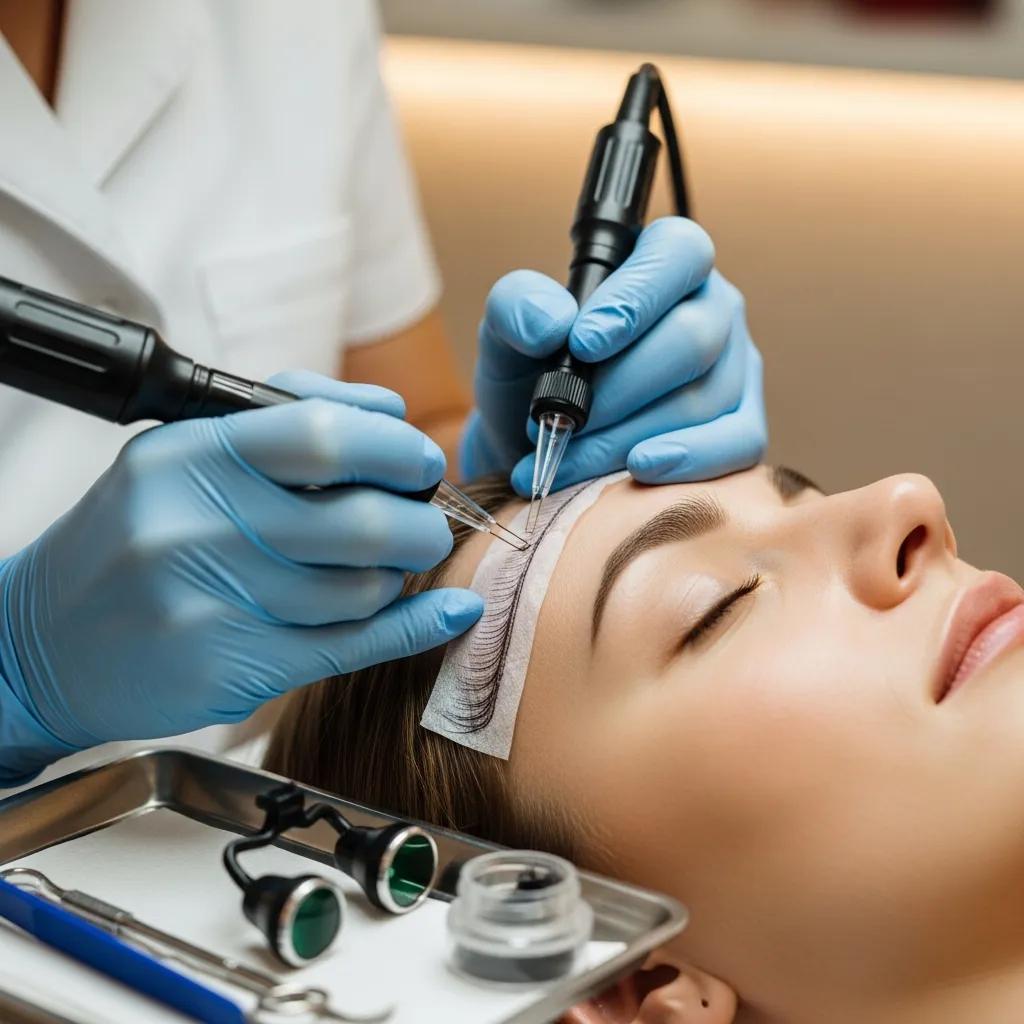
Vitiligo camouflage is a compassionate and precise technique that gently restores balance to your skin’s appearance by implanting carefully matched pigments into the affected areas. This artful process is much like adding a subtle brushstroke to a canvas, aiming to blend the white patches with your natural skin tone for a look that feels authentically you. Experienced professionals use their expertise to tailor this treatment, ensuring your unique skin tones are respected and beautifully enhanced.

Beyond the technique, this approach embraces the whole person, improving not only how you look but also how you feel in your everyday life.

Vitiligo Camouflage: Micropigmentation Techniques & Psychosocial Benefits

This chapter examines the current landscape of cosmetic and paramedical techniques for vitiligo camouflage, spanning temporary concealment methods—including foundation applications, self-tanning preparations, and second-skin formulations—to permanent corrective solutions through tattoo micropigmentation. The discussion outlines the technical principles underlying tattooing methodologies, with specific attention to needle mechanics, ink composition, and color-matching protocols for accurate skin tone replication. A comprehensive analysis of regulatory frameworks, clinical contraindications, and long-term management considerations specific to medical tattooing is presented. Particular emphasis is placed on the psychosocial implications of vitiligo, the role of dermatologists in patient education, and the collaborative relationship between medical practitioners and specialized tattoo artists. Despite ongoing challenges in insurance coverage and regulatory standardization, paramedical micropigmentation represents a promising, durable intervention for improving quality of life in patients seeking cosmetic restoration.

Cosmetic Skin Camouflage for Vitiligo: Cover-Up and Tattoo Micropigmentation, 2025

How Does Medical Micropigmentation Blend Vitiligo Patches with Natural Skin Tone?
Professional Applying Medical Micropigmentation Technique On A Client 039 S Skin For Vitiligo Camouflage

The secret to a successful camouflage lies in the delicate balance of colors and shades. Through layering and shading, your specialist creates depth and avoids flatness, making the treated area appear naturally integrated with your skin. Quality pigments are thoughtfully chosen for longevity, with the understanding that periodic touch-ups help keep your skin’s appearance vibrant and fresh over time.

What Are the Key Benefits of Vitiligo Medical Tattooing?

  • Lasting Confidence: While pigments offer a semi-permanent solution, their longevity means you can enjoy a natural look for years, boosting everyday self-assurance.
  • Personalized Care: Every treatment adapts to you — your skin tone, your preferences, your story — ensuring the results speak authentically to you.
  • Emotional Well-Being: Clients often share how this treatment has helped reduce anxiety and social discomfort, enabling richer connections with others.

These benefits highlight the transformative potential of medical micropigmentation for those affected by vitiligo.

Studies consistently demonstrate that medical tattooing for conditions like vitiligo significantly contributes to patient satisfaction and improved cosmetic outcomes.

Medical Tattooing for Vitiligo: Patient Satisfaction & Cosmetic Outcomes

Medical tattooing is often applied in the context of plastic, aesthetic, and reconstructive surgery to help achieve the best cosmetic outcome. This article reviews various conditions that medical tattooing has been empirically studied in terms of patient satisfaction outcomes, makes practice recommendations, and suggests future directions for research. Eighteen studies met the inclusion criteria and addressed the following conditions: baldness, vitiligo, scars from incisions, lacerations or burns, and nipple-areola complex reconstruction.

Applications of medical tattooing: a systematic review of patient satisfaction outcomes and emerging trends, SJ Becker, 2021

Who is an Ideal Candidate for Vitiligo Camouflage Treatment?

Considering vitiligo camouflage as a journey toward renewed confidence means understanding if this path fits your unique situation. Not all skin types and vitiligo progressions respond equally, so a thoughtful evaluation is essential.

What Criteria Determine Suitability for Permanent Makeup Vitiligo Procedures?

Factors that help determine candidacy include:

  • Skin Type Considerations: We know skin is wonderfully diverse. Your doctor will assess how your skin may interact with pigments, ensuring optimal results.
  • Stability of Vitiligo: Best outcomes are seen when vitiligo has been stable—unchanged—for at least 6 to 12 months, giving a clear canvas for treatment.

How Does the Consultation Process Assess Patient Needs and Expectations?

Your consultation is a conversation — an opportunity to share your story, your hopes, and ask questions. Your practitioner will listen carefully, review your medical history, and discuss what to expect so you feel empowered and informed every step of the way.

What Results Can You Expect from Vitiligo Camouflage Treatment?

It’s completely natural to wonder how this treatment might transform your skin and your daily life. Let’s explore what you can expect.

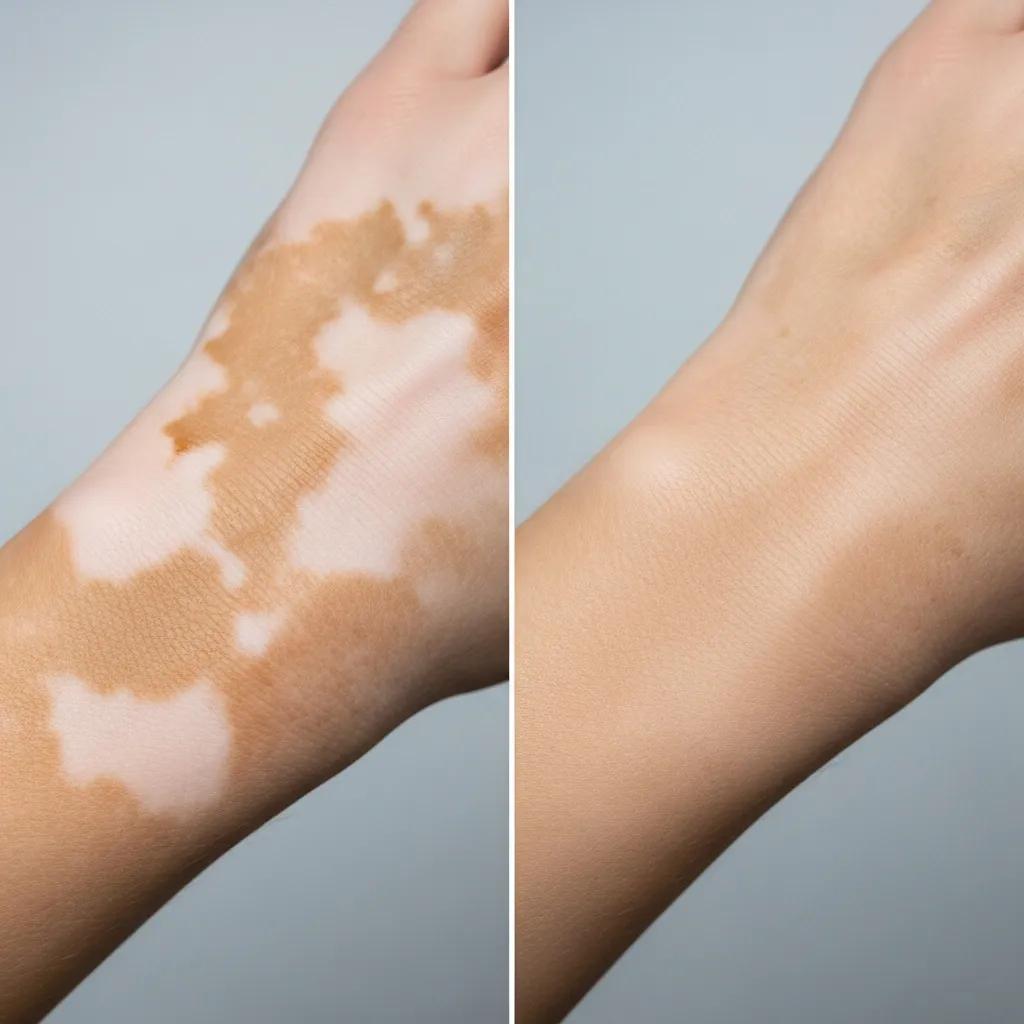
Can You See Before and After Examples of Skin Repigmentation Tattoos?
Before And After Comparison Of Vitiligo Camouflage Treatment Showing Effective Skin Repigmentation

Visual examples are powerful — they open a window to what’s possible. Many patients find comfort and excitement in seeing transformations that echo their own aspirations.

How Long Does Vitiligo Camouflage Last and What is the Aftercare?

With love and care, your results can last between one to three years. To keep your skin looking its best, protect it from heavy sun exposure, cleanse gently, and moisturize regularly. Following your practitioner’s aftercare advice ensures your beautiful results endure.

What Are Common Questions About Paramedical Tattooing for Vitiligo?

It’s important to feel confident and safe before moving forward. Here are answers to some commonly asked questions.

Is Vitiligo Camouflage Safe and Are There Any Risks?

When performed by experienced, qualified professionals, vitiligo camouflage is considered safe. Like any procedure, risks can include allergic reactions, infection, or uneven coloration — but these are rare and minimized by thorough consultation and post-care. Open communication with your provider makes all the difference.

What is the Typical Cost and How to Schedule a Vitiligo Camouflage Consultation?

Costs can vary depending on the area treated and the practitioner’s expertise. It is best to discuss pricing during your consultation to receive a clear understanding tailored to your treatment plan. Booking with trusted providers such as Permanent Makeup by Rosie Wells ensures personalized, compassionate care every step of the way.

This table summarizes the service offered by Permanent Makeup by Rosie Wells, emphasizing the importance of consulting with professionals for personalized care.

Frequently Asked Questions (FAQ) About Vitiligo Camouflage

Is medical micropigmentation painful during the procedure?

Most patients report mild discomfort rather than significant pain. Topical anesthetics may be applied to minimize sensitivity, and your provider will work with you to ensure your comfort throughout the session.

How soon will I see the results after treatment?

Immediate results are noticeable right after the procedure, but it’s normal for pigments to appear slightly darker initially. Over the following weeks, the color softens and blends naturally with your skin.

Can medical micropigmentation completely cure vitiligo?

While medical micropigmentation does not cure vitiligo, it effectively camouflages depigmented areas to improve cosmetic appearance and boost confidence.

How many sessions are typically needed?

Most clients require one to two sessions to achieve optimal coverage and blending, with possible touch-ups in the future to maintain the appearance.

Are there any skin conditions that would prevent me from getting this treatment?

Active skin infections, eczema flare-ups, or certain allergies may preclude treatment until resolved. Your practitioner will perform an evaluation during your consultation.

Can vitiligo spots change after treatment and affect the pigment?

If vitiligo continues to progress in treated areas, pigment may become uneven. It’s best suited for stable vitiligo to ensure lasting results.

What aftercare tips help maintain the micropigmentation?

Protect your skin from prolonged sun exposure, avoid harsh chemicals, and keep the treated area moisturized. Regular follow-ups with your provider can guide maintenance.

Is micropigmentation suitable for all skin tones?

Yes, skilled practitioners can blend pigments specially tailored for a wide variety of skin tones to achieve natural-looking results.

How do I choose a qualified professional for this procedure?

Look for licensed, experienced practitioners who specialize in medical micropigmentation with positive patient testimonials and a portfolio of their work.

Conclusion

Embracing vitiligo camouflage with medical micropigmentation can be a transformative step toward reclaiming confidence and rediscovering comfort in your skin. This personalized, artful technique not only offers a natural and lasting way to blend areas affected by vitiligo but also nurtures emotional well-being and social comfort. Through compassionate care, expert color matching, and a clear understanding of each person’s unique needs, medical micropigmentation stands as a beacon of hope for those seeking harmony between their appearance and their inner self. If vitiligo affects your life and you’re curious about this option, reaching out to a trusted specialist can open the door to a journey of renewed self-expression and joy.

Permanent Makeup By Rosie Wells
Privacy Overview

This website uses cookies so that we can provide you with the best user experience possible. Cookie information is stored in your browser and performs functions such as recognising you when you return to our website and helping our team to understand which sections of the website you find most interesting and useful.