
Things to Avoid During Permanent Makeup Healing

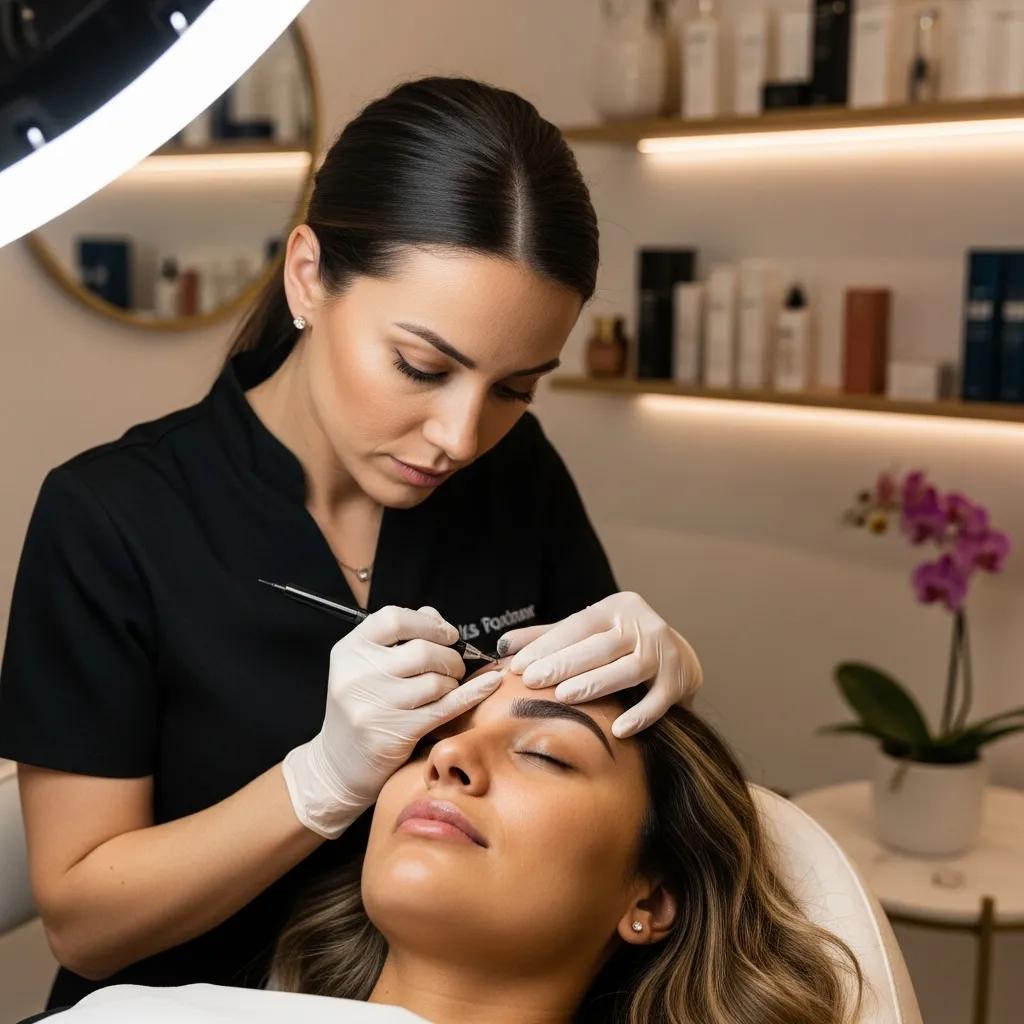
Beauty Salon Scene With A Professional Applying Permanent Makeup To A Client 039 S Eyebrows Highlighting The Aftercare Process

Permanent Makeup Aftercare Don'ts: Essential Things to Avoid During Healing for Best Results

Permanent makeup offers a convenient solution for those looking to enhance their features without the daily hassle of makeup application. However, proper aftercare is crucial to ensure optimal healing and long-lasting results. This article will guide you through the essential things to avoid during the healing process of permanent makeup, helping you achieve the best possible outcome. Many individuals overlook the importance of aftercare, which can lead to complications such as fading, infection, or uneven results. By understanding what to avoid, you can protect your investment and enjoy the transformative benefits of permanent makeup. We will cover key activities to avoid immediately after the procedure, common habits that can hinder healing, the impact of lifestyle factors, and when to seek professional help.

What Are the Key Activities to Avoid Immediately After Permanent Makeup?

After undergoing a permanent makeup procedure, certain activities should be avoided to ensure proper healing. These restrictions are vital for maintaining the integrity of the pigment and preventing complications.

  1. Avoid Direct Sun Exposure: UV rays can fade the pigment and increase the risk of irritation on healing skin.
  2. No Swimming or Water Exposure: Immersing the treated area in water can lead to infection and dilute the pigment.
  3. Limit Makeup Application: Applying makeup can introduce bacteria and irritants to the healing skin, potentially leading to complications.

Why Should You Avoid Direct Sun Exposure and Tanning?
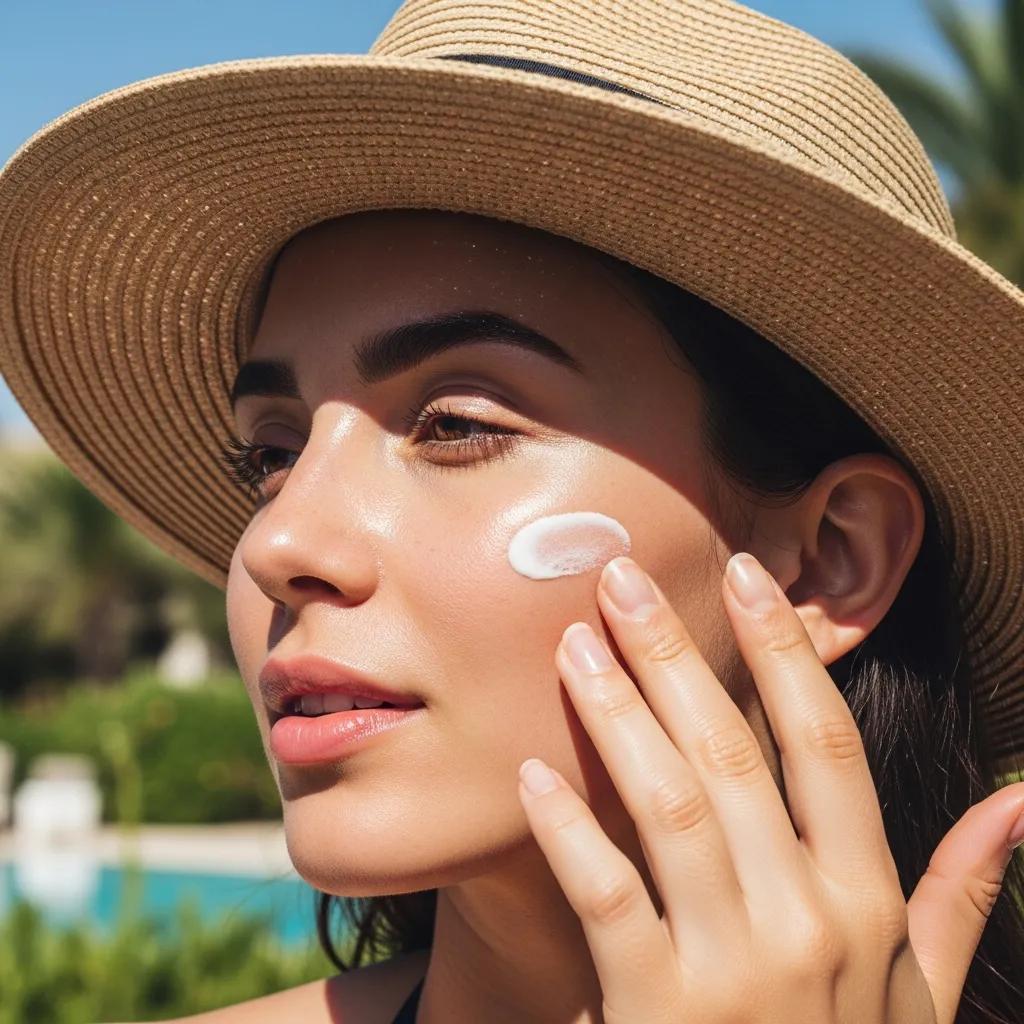
Woman Applying Sunscreen While Wearing A Wide Brimmed Hat Emphasizing Sun Protection For Healing Skin After Permanent Makeup

Direct sun exposure can significantly affect the healing process of permanent makeup. UV rays can cause the pigment to fade prematurely, leading to uneven results. Additionally, sun exposure can irritate the healing skin, increasing the risk of complications. It is essential to protect your skin from the sun by wearing a wide-brimmed hat or using a high-SPF sunscreen on the treated areas once they are fully healed.

The critical role of comprehensive aftercare education, particularly regarding sun protection, is often highlighted by research in the field.

Aesthetic Procedure Aftercare: Preventing Adverse Reactions

However, due to the nature of aesthetic clinics adapting slim time slots per patient in order to accommodate more clients, it does not leave an efficient amount of time to properly educate patients on post-treatment care in order to prevent adverse reactions, such as complete sun avoidance.

The Implementation of a Post-Discharge Patient Education Protocol to Decrease Adverse Side Effects after Aesthetic Procedures, 2024

How Does Swimming and Water Exposure Affect Healing?

Swimming and water exposure can pose significant risks during the healing process. Chlorine in pools and salt in the ocean can irritate the skin and increase the likelihood of infection. Moreover, submerging the treated area can dilute the pigment, leading to uneven results. It is advisable to avoid swimming and prolonged water exposure for at least 10 to 14 days post-procedure to ensure proper healing.

Which Common Habits Can Harm Permanent Makeup Healing?

Certain habits can negatively impact the healing process of permanent makeup. Being aware of these habits can help you avoid complications and ensure the best results.

  1. Picking Scabs: Disrupting scabs can lead to scarring and loss of pigment.
  2. Using Makeup: Makeup can introduce bacteria and irritants, hindering the healing process.
  3. Applying Harsh Skincare Products: Products with active ingredients can irritate the skin and affect healing.

What Are the Risks of Picking Scabs and Scratching?

Picking at scabs can have detrimental effects on the healing process. It can lead to scarring, which may permanently alter the appearance of the permanent makeup. Additionally, disrupting the healing skin can result in pigment loss, leading to uneven results. It is crucial to allow scabs to fall off naturally to ensure optimal healing.

Why Should Makeup and Certain Skincare Products Be Avoided?

Using makeup and certain skincare products during the healing process can introduce bacteria and irritants to the treated area. This can increase the risk of infection and irritation, ultimately affecting the final results. It is advisable to avoid makeup and harsh skincare products until the skin has fully healed, typically around 7 to 14 days post-procedure.

Experts further emphasize the importance of avoiding makeup to protect the compromised skin barrier after such procedures.

Post-Procedure Makeup Avoidance for Skin Healing

As invasive dermatological procedures damage the natural skin barrier, we consider that makeup should not be applied until complete recovery of the damaged skin barrier, in order to prevent any risk of superinfection, or contact dermatitis.

Recommendations for the use of corrective makeup after dermatological procedures, 2022

How Do Lifestyle Factors Like Exercise, Alcohol, and Caffeine Impact Healing?
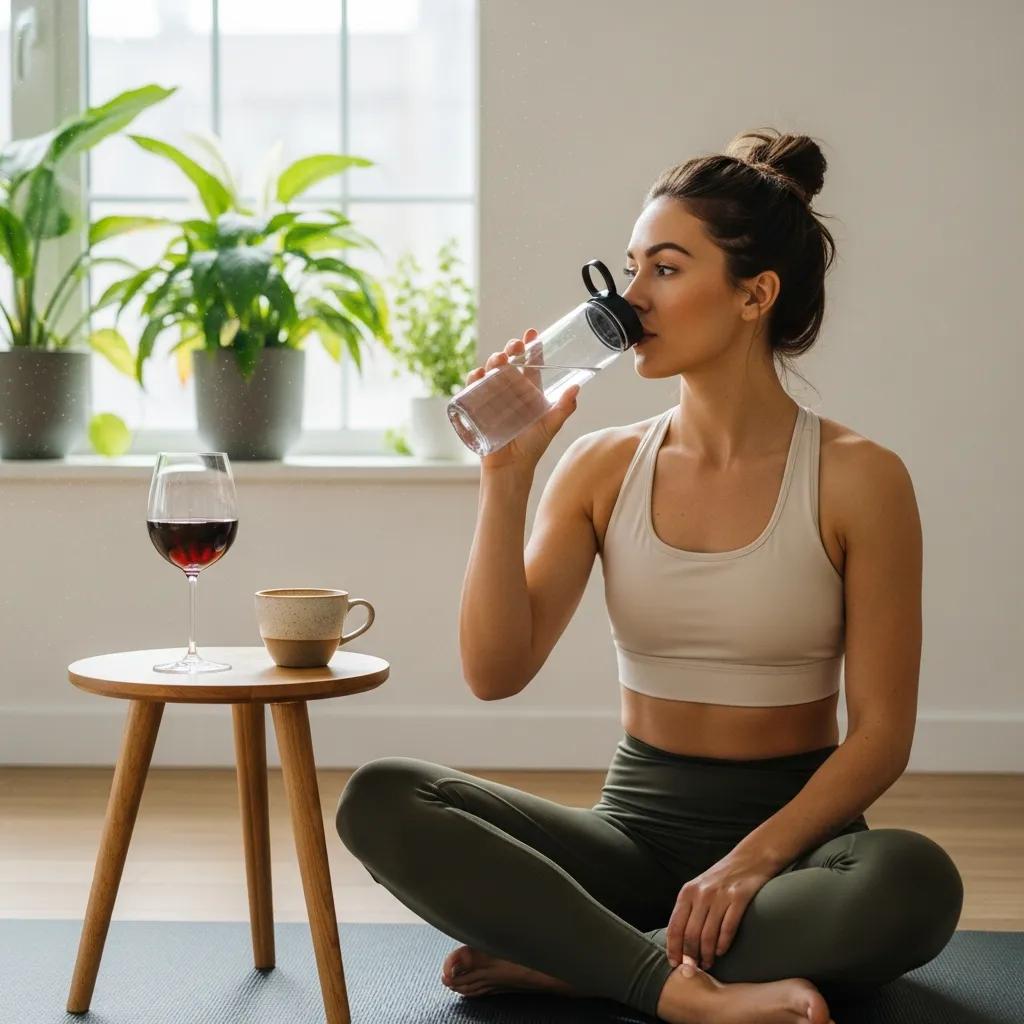
Woman On A Yoga Mat Contemplating A Glass Of Wine And Coffee Representing Lifestyle Choices Affecting Healing After Permanent Makeup

Lifestyle choices can significantly influence the healing process after permanent makeup. Understanding how these factors affect healing can help you make informed decisions during recovery.

  1. Limit Intense Exercise: Heavy sweating can lead to pigment loss and increase the risk of infection.
  2. Avoid Alcohol: Alcohol can thin the blood, leading to increased swelling and bruising.
  3. Moderate Caffeine Intake: Caffeine can dehydrate the body, potentially affecting the healing process.

Why Limit Intense Exercise and Heavy Sweating After Permanent Makeup?

Intense exercise and heavy sweating can negatively impact the healing process. Sweating can lead to pigment loss, as the moisture can dilute the pigment and cause it to fade. Additionally, sweating can introduce bacteria to the healing skin, increasing the risk of infection. It is recommended to avoid strenuous workouts for at least 7 days after the procedure.

What Is the Impact of Alcohol and Caffeine on the Healing Process?

Alcohol consumption can hinder the healing process by thinning the blood, which may lead to increased swelling and bruising. Caffeine, on the other hand, can dehydrate the body, potentially affecting the skin’s ability to heal properly. It is advisable to limit alcohol and caffeine intake during the healing period to promote optimal recovery.

When Should You Seek Professional Help During Permanent Makeup Healing?

Monitoring your healing process is essential, and knowing when to seek professional help can prevent complications.

  1. Signs of Infection: Redness, swelling, warmth, pain, or pus may indicate an infection.
  2. Allergic Reactions: Unusual itching, rash, or swelling can signal an allergic reaction.
  3. Unusual Healing Patterns: If healing does not progress as expected, consult a professional.

What Are the Signs of Infection or Allergic Reaction to Watch For?

It is crucial to be vigilant for signs of infection or allergic reactions during the healing process. Symptoms such as redness, swelling, warmth, pain, and pus are indicators of infection and should be addressed immediately. Additionally, if you experience unusual itching, rash, or swelling, it may signal an allergic reaction. Seeking professional help promptly can prevent further complications.

How Can Proper Sleeping Positions Protect Your New Permanent Makeup?

Proper sleeping positions can significantly impact the healing of your permanent makeup. Avoid sleeping on your face or directly on the treated areas to prevent pressure and irritation. Using pillows to elevate your head can help minimize swelling and protect the treated areas during the healing process.

Lifestyle FactorImpact on HealingRecommendation
Intense ExerciseIncreases sweating, leading to pigment lossAvoid for at least one week
AlcoholThins blood, causing swelling and bruisingLimit intake during recovery
CaffeineCan dehydrate the body, affecting healingModerate consumption

Understanding the impact of lifestyle factors on healing can help you make informed choices during your recovery. By avoiding intense exercise, limiting alcohol, and moderating caffeine intake, you can promote optimal healing and achieve the best results from your permanent makeup procedure.

ActivityRiskRecommendation
Sun ExposureFades pigmentAvoid direct sunlight until fully healed
SwimmingInfection riskRefrain for at least 10 to 14 days
Makeup ApplicationIntroduces bacteriaAvoid until fully healed

By adhering to these guidelines and avoiding key activities during the healing process, you can ensure that your permanent makeup heals properly and looks its best. Remember, the healing period is crucial for achieving the desired results, so take the necessary precautions to protect your investment.

Permanent Makeup By Rosie Wells
Privacy Overview

This website uses cookies so that we can provide you with the best user experience possible. Cookie information is stored in your browser and performs functions such as recognising you when you return to our website and helping our team to understand which sections of the website you find most interesting and useful.