Frequently Asked Questions
None - No questions provided for evaluation?
The absence of specific questions indicates that users may be seeking general information about scar camouflage services. For inquiries about the procedure, benefits, or booking an appointment, please feel free to reach out directly for assistance.
What is the process of scar camouflage?
The process of scar camouflage involves using medical micropigmentation to inject pigment into the skin, effectively blending the scar with the surrounding tissue. This technique enhances the appearance of scars and skin discolorations for a more even skin tone.
How effective is microblading for scars?
Microblading can be effective for improving the appearance of scars by adding color and texture that blends with the surrounding skin. However, results may vary based on the scar's type and location, making a consultation essential for personalized assessment.
What should I expect from scar camouflage?
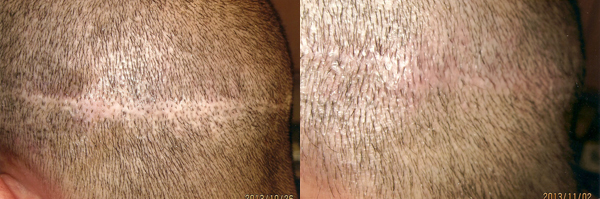
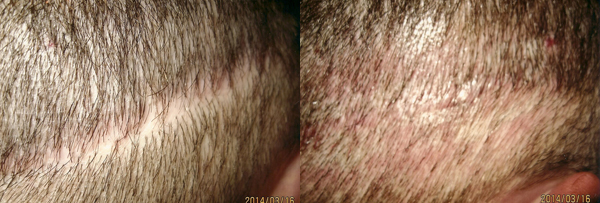
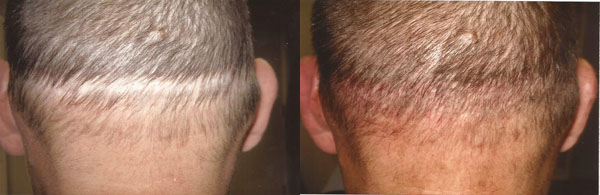
What to expect from scar camouflage includes a specialized procedure that effectively reduces the visibility of scars and skin discolorations, resulting in a more uniform skin tone and enhanced appearance.
Are there any risks with microblading camouflage?
The risks associated with microblading camouflage include potential allergic reactions, infection, and uneven results. It's essential to consult with a qualified specialist, like Rosie Wells, to minimize these risks and ensure a safe procedure.
How long does scar camouflage last?
The duration of scar camouflage results typically lasts between 1 to 3 years, depending on individual skin types, aftercare, and sun exposure. Regular touch-ups can help maintain the desired appearance over time.
Can microblading camouflage all skin types?
Microblading can effectively camouflage various skin types, but results may vary based on individual skin conditions and characteristics. It's essential to consult with a specialist to determine the best approach for your specific needs.
What are the benefits of scar camouflage?
The benefits of scar camouflage include improved skin appearance, increased confidence, and effective concealment of scars and discolorations. This procedure enhances overall aesthetics, allowing individuals to feel more comfortable in their skin.
How do I prepare for a consultation?
Preparing for a consultation involves gathering any relevant medical history, noting specific areas of concern, and bringing photographs of the scars or skin imperfections you wish to address. This information will help ensure a productive discussion.
What aftercare is needed for microblading?
The aftercare needed for microblading includes keeping the area clean and dry, avoiding moisture, sun exposure, and makeup for at least a week, and applying a thin layer of healing ointment as directed to ensure proper healing.
How does micropigmentation differ from tattooing?
Micropigmentation differs from tattooing primarily in technique and purpose. While both involve pigment application, micropigmentation uses specialized equipment for medical-grade results, focusing on enhancing skin imperfections like scars, rather than traditional body art.
Can I see before-and-after results?
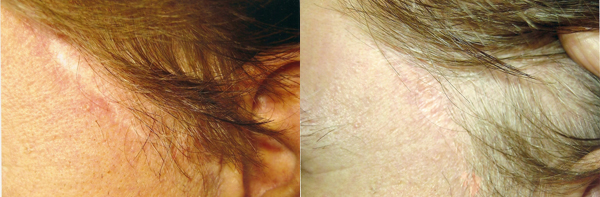
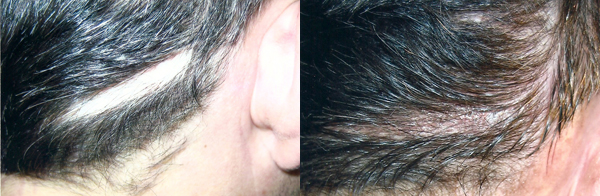
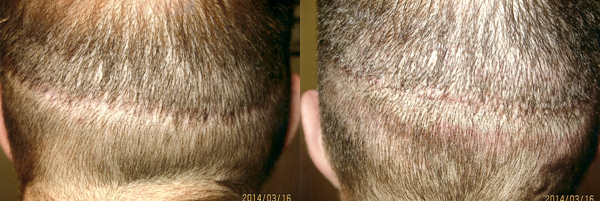
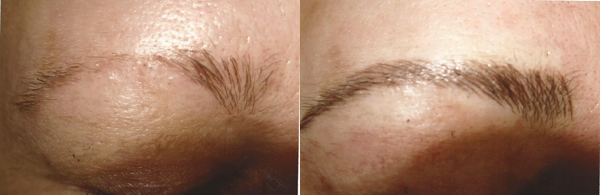
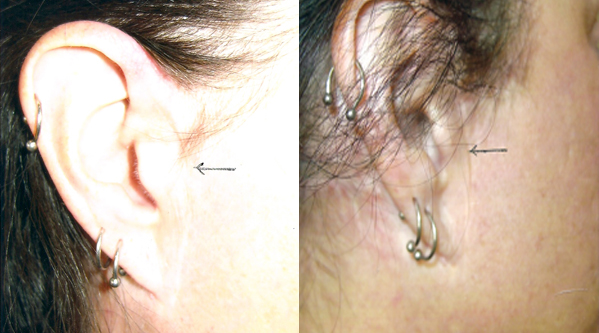
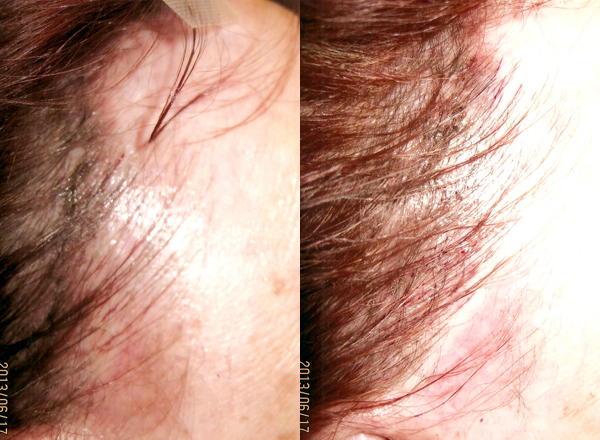
You can see before-and-after results of our scar camouflage services. We showcase various transformations through images on our website, allowing you to evaluate the effectiveness of the procedure.
What is the cost of scar camouflage services?
The cost of scar camouflage services varies based on the size and complexity of the area being treated. For an accurate estimate, it's best to schedule a consultation with Rosie Wells to discuss your specific needs.
How do I choose a specialist for this?
Choosing a specialist for scar camouflage involves researching their qualifications, experience in medical micropigmentation, and client testimonials. Look for before-and-after photos of their work to ensure they meet your aesthetic expectations.
Is scar camouflage suitable for all scars?
Scar camouflage is suitable for many types of scars, including those from surgery, injury, or discoloration. However, a consultation with Rosie Wells is essential to determine the best approach for your specific scar type.
What techniques are used in microblading?
The techniques used in microblading involve a manual method of implanting pigment into the skin using a specialized handheld tool. This creates fine, hair-like strokes that mimic natural eyebrow hairs for a fuller appearance.
How does skin type affect the procedure?
Skin type significantly affects the scar camouflage procedure. Different skin types may absorb pigments differently, influencing the final results and longevity of the treatment. It's essential to assess your skin type for optimal outcomes during the procedure.
Can I combine treatments with scar camouflage?
Combining treatments with scar camouflage is possible and can enhance results. It's best to consult with Rosie Wells to determine the most effective approach tailored to your specific needs and skin type.
What is the healing time for microblading?
The healing time for microblading typically ranges from 7 to 14 days. During this period, the initial healing occurs, and the final results will become clearer as the skin fully recovers.
Are there any age restrictions for this service?
Age restrictions for scar camouflage services may apply, typically requiring clients to be at least 18 years old. However, minors may be considered with parental consent. It's best to consult directly for specific age-related inquiries.
How often should I schedule touch-ups?
The frequency of touch-ups for scar camouflage services typically depends on individual skin types and the specific area treated. Generally, it's recommended to schedule touch-ups every 6 to 12 months to maintain optimal results.
What products are used in the procedure?
The products used in the scar camouflage procedure include high-quality medical micropigmentation pigments specifically formulated for skin compatibility, ensuring a natural look while effectively camouflaging scars and skin discolorations.
How does the consultation process work?
The consultation process involves an initial meeting where you discuss your specific needs and concerns regarding scar camouflage. Rosie Wells will assess your skin and explain the procedure, ensuring you feel informed and comfortable before scheduling your treatment.
Can I wear makeup after the procedure?
Wearing makeup after the procedure is not recommended for at least 7-10 days. This allows your skin to heal properly and ensures the best results from your scar camouflage treatment.
What should I avoid before the treatment?
Before the treatment, you should avoid blood thinners, alcohol, and excessive sun exposure to ensure optimal results and minimize the risk of complications. It's also advisable to refrain from using retinoids or exfoliating products on the treatment area.
How do I know if I’m a candidate?
Determining if you’re a candidate for scar camouflage services involves assessing your skin type, the nature of your scars or discolorations, and your overall health. A consultation with Rosie Wells will provide personalized guidance based on your specific needs.
What is the difference between microblading and tattooing?
The difference between microblading and tattooing lies in the technique and permanence. Microblading involves using a manual tool to create fine, hair-like strokes for a natural look, while tattooing uses a machine to implant ink deeper into the skin, resulting in a more permanent design.
How can I maintain my results long-term?
Maintaining your results long-term involves following proper aftercare instructions, scheduling regular touch-up appointments, and protecting your skin from sun exposure. Consistent skincare routines will also help preserve the appearance of your scar camouflage.
What are common misconceptions about scar camouflage?
Common misconceptions about scar camouflage include the belief that it completely removes scars or that the procedure is painful. In reality, scar camouflage effectively reduces the visibility of scars through micropigmentation, and most clients report minimal discomfort during the process.
How does the procedure address skin discoloration?
The procedure addresses skin discoloration by using medical micropigmentation to deposit pigment into the skin, effectively blending the color of scars or imperfections with the surrounding skin tone, resulting in a more uniform appearance.