
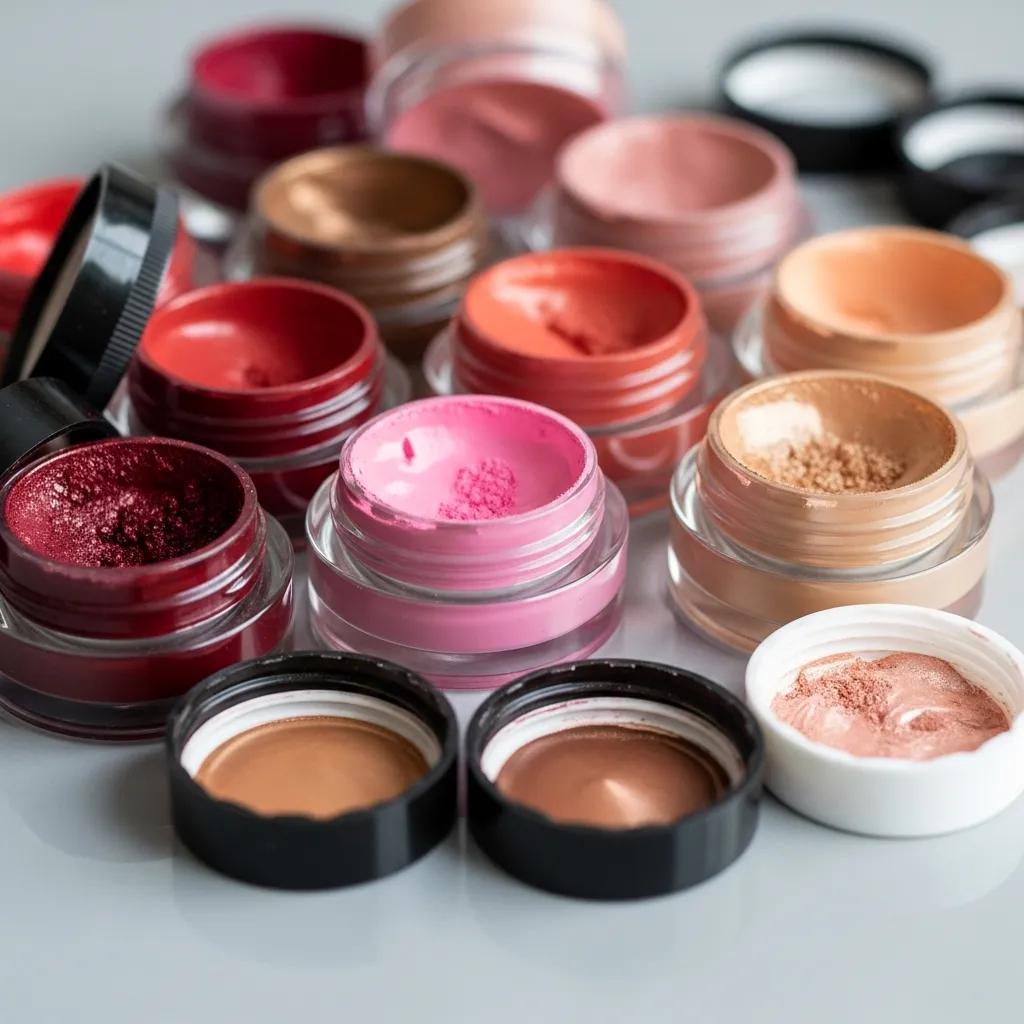
Vibrant PMU pigments in jars showcasing colors and textures for lasting cosmetic results.

Hero Image Placeholder: A vibrant and inviting image showcasing permanent makeup pigments, colors, and artistry to captivate readers

PMU Pigments: Ensuring Safety, Vibrant Colors, and Lasting Results

Key Takeaways

  • Permanent Makeup (PMU) pigments must meet strict safety regulations to protect clients and deliver high-quality results.
  • Both organic and inorganic pigments offer unique benefits: organic pigments bring vibrant, softer colors, while inorganic pigments are prized for their stability and longevity.
  • Understanding pigment ingredients and their properties helps in choosing the right pigments tailored to each client's needs.
  • Proper aftercare and sun protection play a vital role in maintaining the vibrant and lasting appearance of PMU.
  • PMU pigments typically last between one to five years, with longevity affected by factors like skin type, pigment choice, and care routines.

Permanent makeup is more than just a beauty enhancer; it’s a carefully crafted art that combines science, safety, and style to give you lasting confidence. The pigments used in these cosmetic procedures not only deliver vibrant, natural-looking colors but must also meet rigorous safety standards. Whether you’re a practitioner or considering PMU yourself, it’s valuable to understand how these pigments work, what keeps them safe, and how to maintain their brilliance over time.

What Are the Safety Regulations for PMU Pigments?

Keeping clients safe is the top priority when it comes to PMU pigments. Various regulations ensure the ingredients used are safe and of high quality, shielding clients from harmful substances and allergic reactions. These standards involve detailed testing and controls that practitioners and manufacturers must follow diligently.

Which Ingredients Are Approved for Permanent Makeup Pigments?

Cosmetic Practitioner Reviewing Pmu Pigment Ingredients For Safety And Quality

Approved PMU pigments contain carefully chosen ingredients such as iron oxides and titanium dioxide, along with selected organic pigments like azo dyes and quinacridone. These ingredients have been extensively studied, ensuring they are stable and unlikely to cause adverse reactions. This careful selection helps you trust that the colors applied are safe and effective.

Recent studies highlight the importance of analyzing the pigment’s microstructure and composition. These factors influence both safety and color consistency, protecting your skin from potential irritation or color mismatch over time.

PMU Pigment Microstructure, Color Stability & Safety

Our purpose in this study is to analyze the microstructural characteristics and constituent elements of inorganic substances added to the yellow ink and red ink pigments used in permanent makeup. When this mass accumulates in the dermis, it may cause a color mismatch. Therefore, permanent makeup using fine pigments should be free of foreign substances that may cause trouble in the skin. In addition, there is a need to improve the quality of the ink so that the required color can be safe and long lasting in the dermis.

Analysis of microstructural characteristics and components of red and yellow ink pigments used in permanent makeup, 2022

How Do Safety Standards Protect Clients?

By enforcing strict ingredient approval and quality assurance, safety standards help keep you protected. Testing minimizes the risk of allergic reactions or complications, ensuring that the pigments used in your treatment are tested and trustworthy. For practitioners, following these standards not only safeguards clients but also builds confidence and professionalism within the industry.

How Do PMU Pigment Ingredients Affect Color and Longevity?

The ingredients in PMU pigments directly influence how your permanent makeup will look and how long it will last. A good understanding of the differences between organic and inorganic pigments helps in choosing the best options for your desired look.

What Is the Difference Between Organic and Inorganic PMU Pigments?

Organic pigments are synthetic, often delivering brighter and softer tones that can enhance features like lips and eyebrows with a natural flair. On the other hand, inorganic pigments are mineral-based, prized for their durability and resistance to fading, making them great for areas where longevity is key, like eyeliner or shading effects. Deciding which is right for you depends on your personal preferences and the effect you want to achieve.

How Do Pigment Ingredients Influence Color Retention?

Color retention is about keeping your vibrant look intact over time. Inorganic pigments usually resist fading better thanks to their chemical makeup, so your results stay fresh longer. Organic pigments may fade sooner, which might require touch-ups every so often. The size of pigment particles also contributes: smaller particles tend to settle well and last, while larger ones may affect stability.

PMU Pigment Particle Size & Longevity

PMU colorants typically contain larger pigment particles in their composition, which, along with other factors, influences their stability and longevity. Providing clear information on the ingredients of the PMU colorant and tattoo ink is crucial for client safety and informed choices. Smaller particle sizes and greater pigment stability contribute to longer-lasting results.

Why permanent makeup (PMU) is not a lifetime application, E Andreou, 2024

How Long Do PMU Pigments Typically Last?

The duration your PMU pigments stay vibrant depends on several factors, including the type of pigments used, how expertly they’re applied, and your individual skin characteristics. Typically, you can expect your permanent makeup to last between one to five years. While this range varies, knowing how to care for your PMU can help you maximize its longevity.

What Factors Affect the Longevity of Permanent Makeup Colors?
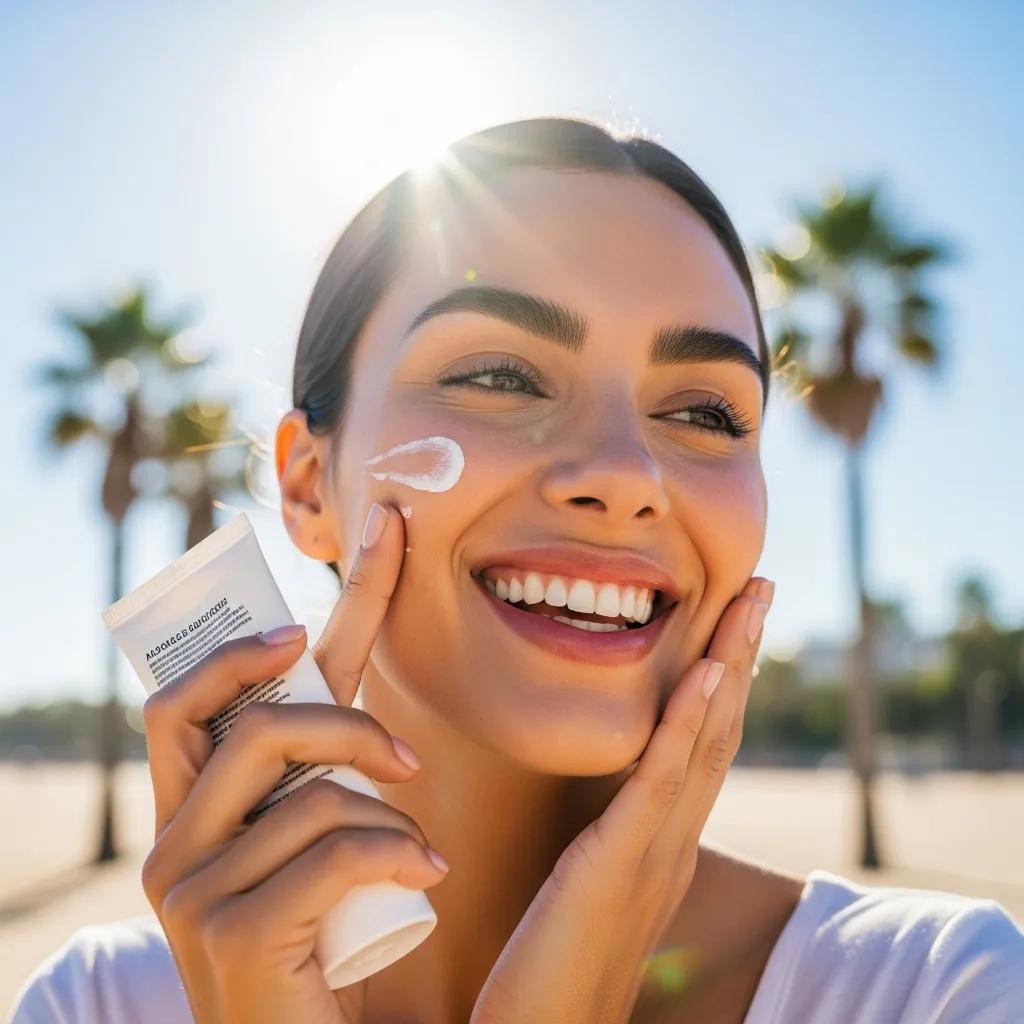
Client Applying Sunscreen Outdoors To Protect Pmu Colors From Sun Exposure

Several elements play into how long your PMU color stays beautiful. Skin type makes a difference: oily skin might cause quicker fading. Sun exposure is another major factor—UV rays break down pigments over time. Aftercare is crucial; following your practitioner’s advice lets your PMU heal properly and last longer.

How Can Clients Maintain Vibrant PMU Colors Over Time?

Protect and care for your permanent makeup by:

  • Avoiding prolonged sun exposure and always applying sunscreen on the treated areas.
  • Using gentle skincare products that don’t irritate or strip pigment.
  • Following your practitioner’s aftercare instructions carefully for optimal healing.
  • Scheduling regular touch-ups as recommended to refresh your look and keep colors vivid.

Frequently Asked Questions (FAQ)

Are PMU pigments safe for all skin types?

Yes, PMU pigments that meet regulatory safety standards are generally safe for all skin types. However, it’s important to consult a qualified practitioner who can assess your specific skin condition and allergies to ensure the best and safest results.

Can PMU pigments cause allergic reactions?

While rare, allergic reactions can occur if the pigments contain ingredients that your skin reacts to. That’s why it’s crucial to use pigments approved by health authorities and to perform patch tests prior to application.

How often will I need to get touch-ups?

Touch-up frequency depends on pigment type, skin type, lifestyle, and aftercare. On average, touch-ups may be needed every 1 to 3 years to keep colors fresh and vibrant.

Can sun exposure affect my PMU results?

Absolutely. Prolonged sun exposure can fade PMU pigments faster. Using sunscreen and limiting direct sun contact helps preserve the color and appearance of your permanent makeup.

Is there special aftercare to follow after receiving PMU?

Yes. Proper aftercare includes keeping the treated area clean, avoiding heavy sweating, sun exposure, and not picking at the area while healing. Your practitioner will provide detailed instructions tailored to your treatment.

What happens if the pigment fades unevenly?

Uneven fading can sometimes happen due to pigment composition or skin factors. Scheduled touch-ups can correct and even out the color to maintain a balanced and natural look.

Are organic pigments better than inorganic ones?

Neither is universally better. Organic pigments provide vibrant, soft colors but may fade faster, while inorganic pigments offer longer-lasting results but sometimes with less saturation. The best choice depends on the area treated and your personal preferences.

Conclusion

Choosing the right PMU pigments is a blend of trusting science and embracing artistry. With strict safety standards and a thorough understanding of pigment properties, you can enjoy beautiful, lasting results tailored just for you. Whether deciding on pigment types, learning about aftercare, or understanding what affects longevity, being informed empowers you to look and feel your best.

Ready to enhance your natural beauty safely and confidently? Connect with a certified PMU professional today to explore your options, ask questions, and start your journey toward a vibrant, lasting look that’s uniquely yours.

PMU pigments are essential for achieving beautiful, long-lasting cosmetic results. By understanding the safety regulations, the impact of ingredients on color and longevity, and how to maintain vibrant results, clients can make informed decisions about their permanent makeup choices. The careful selection of pigments and adherence to safety standards ensures a positive experience in the world of permanent makeup.

GDPR logo for cookie compliance and privacy overview
Privacy Overview

This website uses cookies so that we can provide you with the best user experience possible. Cookie information is stored in your browser and performs functions such as recognising you when you return to our website and helping our team to understand which sections of the website you find most interesting and useful.