
Permanent Makeup Artist Applying Eyebrow Makeup In A Clean Salon Setting

Permanent Makeup & Health Conditions: Ensuring Safety with Contraindications and Risks

Permanent makeup (PMU) has gained popularity as a convenient solution for enhancing facial features, but it is essential to consider the safety implications for individuals with specific health conditions. This article will explore the intersection of permanent makeup and health conditions, emphasizing the importance of safety and contraindications. Readers will learn about common health issues that may affect the safety of PMU procedures, the medical conditions that serve as contraindications, and the safety risks associated with these practices. Additionally, we will discuss how clients and professionals can ensure safe permanent makeup practices, providing a comprehensive overview of this critical topic.

What Are the Common Health Conditions That Affect Permanent Makeup Safety?

Certain health conditions can significantly impact the safety and effectiveness of permanent makeup procedures. Understanding these conditions is crucial for both clients and technicians to minimize risks and ensure optimal outcomes. Common health conditions that may affect PMU safety include diabetes, autoimmune diseases, and skin disorders. Each of these conditions can influence healing, increase the risk of complications, and necessitate special precautions during the procedure.

How Does Diabetes Influence Permanent Makeup Procedures?

Diabetic Client Consulting With A Permanent Makeup Technician About Safety

Diabetes can complicate the healing process after permanent makeup procedures. Individuals with diabetes may experience slower wound healing due to impaired blood circulation and reduced immune response. This can lead to an increased risk of infection and complications during the healing phase. Technicians should be aware of these risks and may need to adjust their techniques or aftercare recommendations for diabetic clients to ensure a safe and successful outcome.

What Risks Do Autoimmune Diseases Pose for Permanent Makeup?

Autoimmune diseases can pose significant risks for individuals seeking permanent makeup. Conditions such as lupus, rheumatoid arthritis, and psoriasis can affect the skin’s integrity and healing capacity. These diseases may lead to increased sensitivity, inflammation, and a higher likelihood of adverse reactions to pigments or procedures. It is essential for clients with autoimmune conditions to disclose their medical history fully, allowing technicians to take necessary precautions and tailor their approach accordingly.

Which Medical Conditions Are Contraindications for Permanent Makeup?

Certain medical conditions are considered contraindications for permanent makeup procedures. These conditions can increase the risk of complications or negatively impact the results of the procedure. Understanding these contraindications is vital for both clients and technicians to ensure safety and efficacy.

What Are the Key Permanent Makeup Contraindications to Know?

Key contraindications for permanent makeup include:

  1. Active Skin Infections: Conditions like herpes simplex or bacterial infections can lead to complications during and after the procedure.
  2. Uncontrolled Diabetes: Clients with poorly managed diabetes may face significant healing challenges.
  3. Autoimmune Disorders: As previously mentioned, these can affect skin healing and increase the risk of adverse reactions.

Awareness of these contraindications helps technicians make informed decisions and prioritize client safety.

How Should Clients Disclose Medical History Before Permanent Makeup?

Clients should provide a comprehensive medical history before undergoing permanent makeup procedures. This disclosure should include any existing health conditions, medications, and previous reactions to cosmetic procedures. A checklist can help clients remember essential details to share with their technician, ensuring that all relevant information is considered. This proactive communication is crucial for minimizing risks and ensuring a safe experience.

Emphasizing this point, experts highlight the critical role of a thorough medical history review in identifying potential risks.

PMU Safety: Medical History & Contraindications

reviewing the patient’s medical history to rule out any contraindications to the permanent makeup

Permanent cosmetics, 2012

What Are the Safety Risks Associated with Permanent Makeup for People with Health Issues?

Individuals with health issues face unique safety risks when considering permanent makeup. Understanding these risks is essential for both clients and technicians to ensure informed decision-making and safe practices.

How Can Infection Risks Be Minimised in Clients with Health Conditions?

Infection risks can be minimized through several strategies:

  1. Pre-Procedure Assessments: Technicians should conduct thorough assessments to identify any potential risks associated with the client's health conditions.
  2. Sterile Techniques: Using sterile, single-use equipment and maintaining a clean environment during the procedure can significantly reduce infection risks.
  3. Post-Procedure Care: Providing clients with clear aftercare instructions is vital for preventing infections and ensuring proper healing.

By implementing these strategies, technicians can help safeguard the health of clients with underlying conditions.

What Precautions Should Technicians Take for At-Risk Clients?
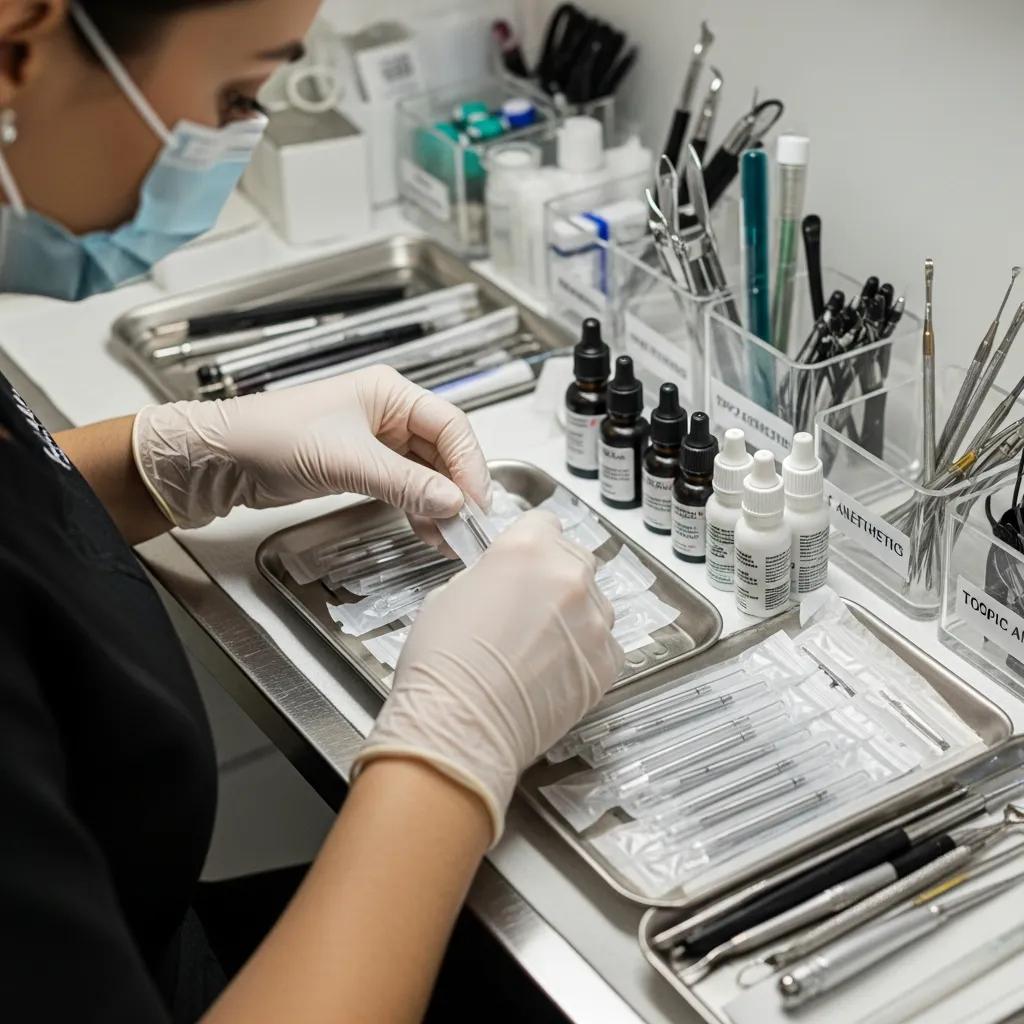
Permanent Makeup Technician Preparing Sterile Equipment For A Safe Procedure

Technicians should adopt specific precautions when working with at-risk clients, including:

  1. Tailored Techniques: Adjusting techniques based on the client's health status can enhance safety and outcomes.
  2. Ongoing Communication: Maintaining open lines of communication with clients throughout the process ensures that any concerns are addressed promptly.
  3. Continuous Education: Technicians should stay informed about the latest research and best practices related to health conditions and permanent makeup.

These precautions are essential for ensuring a safe and effective experience for clients with health issues.

How Can Clients and Professionals Ensure Safe Permanent Makeup Practices?

Ensuring safe permanent makeup practices requires collaboration between clients and professionals. By following established guidelines and protocols, both parties can contribute to a successful outcome.

What Pre-Procedure Assessments Are Essential for Safety?

Essential pre-procedure assessments include:

  1. Medical History Review: A thorough review of the client's medical history helps identify any potential risks.
  2. Skin Assessment: Evaluating the client's skin condition can inform the technician's approach and technique.
  3. Consultation: A detailed consultation allows clients to ask questions and express concerns, fostering a collaborative environment.

These assessments are critical for ensuring that the procedure is safe and appropriate for the client.

How Does Aftercare Differ for Clients with Medical Conditions?

Aftercare for clients with medical conditions may require special considerations. For example, clients with diabetes may need to monitor their healing more closely and follow specific guidelines to prevent complications. Providing tailored aftercare instructions based on the client’s health status is essential for promoting optimal healing and minimizing risks.

ConditionRisk FactorsRecommended Precautions
DiabetesSlower healing, infection riskMonitor healing closely, adjust aftercare
Autoimmune DisordersIncreased sensitivity, inflammationTailor techniques, ensure thorough communication
Skin InfectionsComplications during healingDelay procedure until infection resolves

In conclusion, understanding the relationship between permanent makeup and health conditions is crucial for ensuring safety and efficacy. By recognizing common health issues, contraindications, and safety risks, both clients and technicians can work together to create a safe and successful experience. Open communication, thorough assessments, and tailored approaches are essential components of this process, ultimately leading to better outcomes for all involved.

Permanent Makeup By Rosie Wells
Privacy Overview

This website uses cookies so that we can provide you with the best user experience possible. Cookie information is stored in your browser and performs functions such as recognising you when you return to our website and helping our team to understand which sections of the website you find most interesting and useful.