
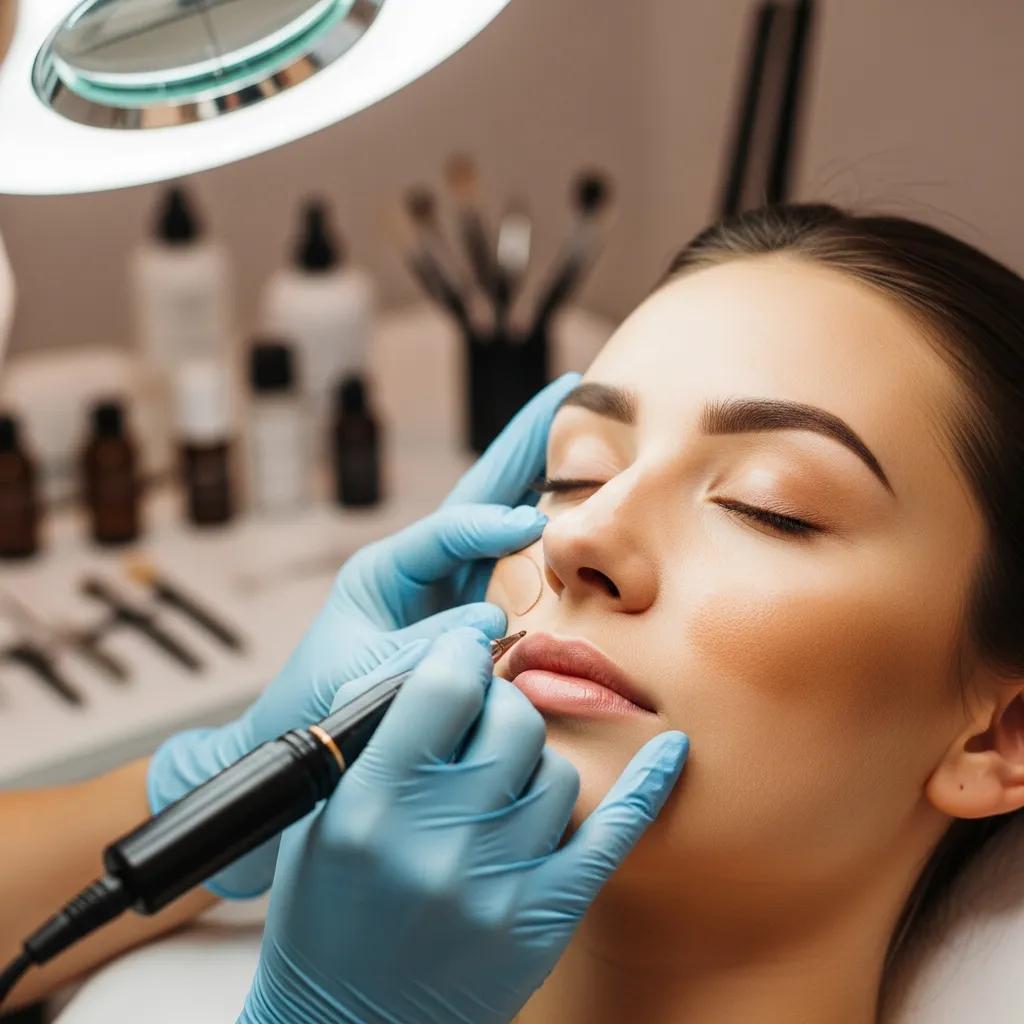
Woman Receiving Permanent Makeup Treatment For Uneven Skin Tone In A Beauty Clinic

Permanent Makeup for Uneven Skin Tone: Complexion Balancing Solutions and Benefits

Uneven skin tone can be a source of frustration for many individuals, impacting their confidence and overall appearance. This article delves into the concept of complexion balancing through permanent makeup, exploring its benefits and the techniques involved. Readers will learn how permanent makeup can effectively address issues related to uneven skin tone, including the causes and solutions available. By understanding the mechanisms behind these techniques, individuals can make informed decisions about their cosmetic options. The following sections will cover the causes of uneven skin tone, how skin tone is matched for effective results, the specific techniques used for scar camouflage and vitiligo, and what clients can expect during the complexion balancing procedure.

What Causes Uneven Skin Tone and How Can Permanent Makeup Help?

Uneven skin tone can arise from various factors, including skin conditions such as hyperpigmentation, melasma, and vitiligo. These conditions can lead to patches of discoloration that affect the overall appearance of the skin. Permanent makeup offers a solution by utilizing micropigmentation techniques to create a more uniform complexion. This process involves depositing pigment into the skin to mask imperfections and enhance the natural skin tone.

The application of medical camouflage techniques, including permanent makeup, has become a valuable tool in addressing a variety of skin imperfections.

Medical Camouflage for Pigmentary Abnormalities & Vitiligo

Medical camouflage is now commonly used to cover scars, imperfections and pigmentary abnormalities including vitiligo. Camouflage techniques can be especially useful in patients who do not achieve complete or immediate attractive results from dermatologic therapy for vitiligo.

Camouflage for patients with vitiligo, F Kaliyadan, 2012

Which skin conditions lead to uneven complexion?

Several skin conditions contribute to an uneven complexion. Hyperpigmentation, for instance, occurs when certain areas of the skin produce excess melanin, resulting in dark patches. Melasma, often triggered by hormonal changes and sun exposure, leads to brown or gray-brown patches, particularly on the face. Vitiligo, on the other hand, causes loss of pigment in certain areas, leading to lighter patches on the skin. Understanding these conditions is crucial for determining the appropriate permanent makeup techniques to achieve a balanced complexion.

How does micropigmentation correct skin discoloration?
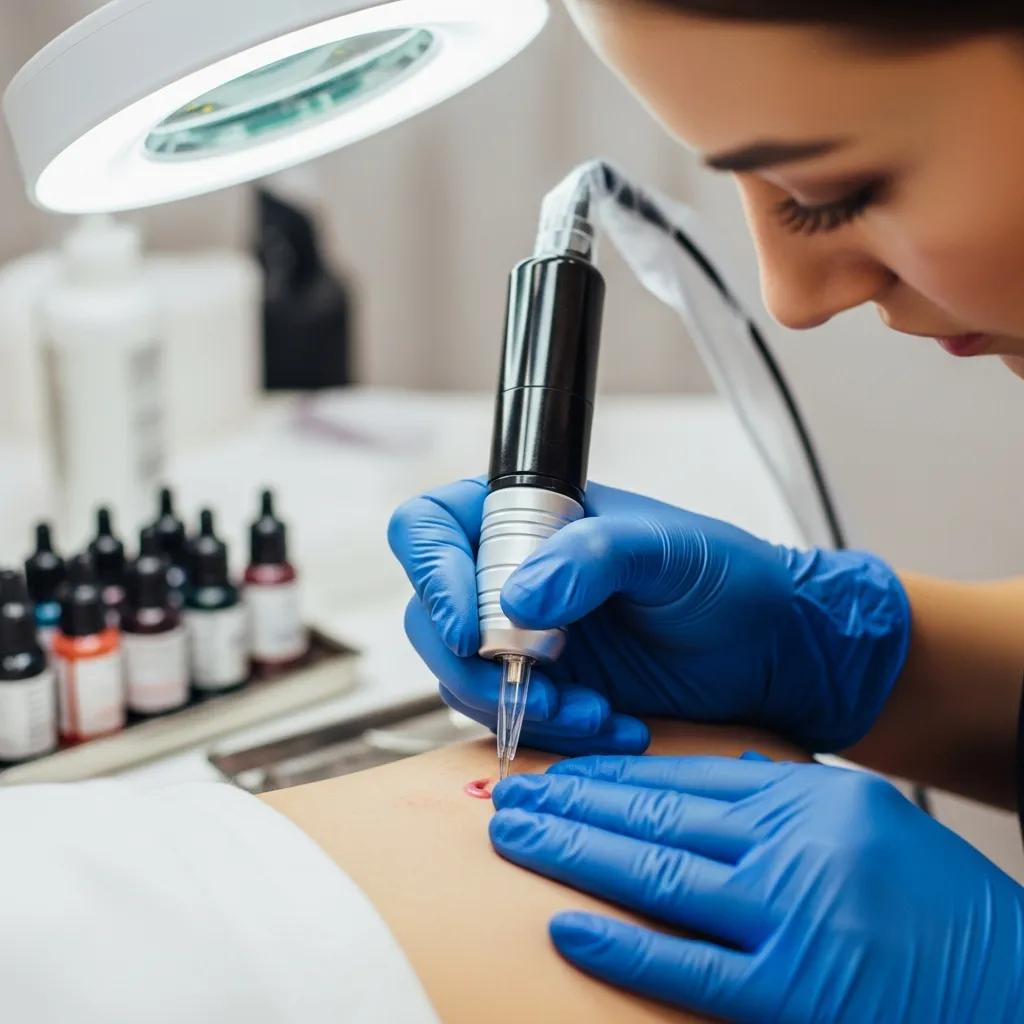
Technician Performing Micropigmentation To Correct Skin Discoloration On A Client

Micropigmentation is a specialized technique that involves the application of pigment to the skin’s epidermal and upper dermal layers. This process can effectively correct skin discoloration by matching the pigment to the surrounding skin tone. The result is a more uniform appearance that can significantly enhance an individual’s confidence. By carefully selecting and blending pigments, skilled technicians can create natural-looking results that address various skin tone issues.

Indeed, micropigmentation is widely recognized as an effective method for addressing a range of skin concerns.

Micropigmentation: Camouflaging Dermatological Conditions

Micropigmentation or medical tattooing is a novel and easy to learn technique to camouflage various dermatological conditions

Micropigmentation, 2023

How Is Skin Tone Matched for Effective Complexion Balancing?

Matching skin tone is a critical aspect of achieving effective complexion balancing through permanent makeup. This process involves understanding the unique undertones of an individual’s skin and utilizing the Fitzpatrick scale to guide pigment selection. By ensuring that the chosen pigments complement the client’s natural skin tone, technicians can create seamless results.

What role do skin undertones and the Fitzpatrick scale play in pigment selection?

Skin undertones, which can be warm, cool, or neutral, play a significant role in determining the right pigment for permanent makeup. The Fitzpatrick scale categorizes skin types based on their response to UV exposure, helping technicians select appropriate pigments that will blend well with the client’s natural complexion. This careful consideration ensures that the final results appear harmonious and natural.

How does custom pigment blending ensure natural-looking results?

Custom pigment blending is essential for achieving natural-looking results in permanent makeup. Technicians often mix various pigments to create a shade that perfectly matches the client’s skin tone and undertone. This tailored approach not only enhances the overall appearance but also ensures that the makeup looks authentic and complements the individual’s features.

What Are the Permanent Makeup Techniques for Scar Camouflage and Vitiligo?

Permanent makeup techniques can be particularly beneficial for individuals dealing with scars or vitiligo. These specialized methods aim to camouflage imperfections and restore a more even skin tone.

How does scar camouflage tattooing achieve skin tone uniformity?
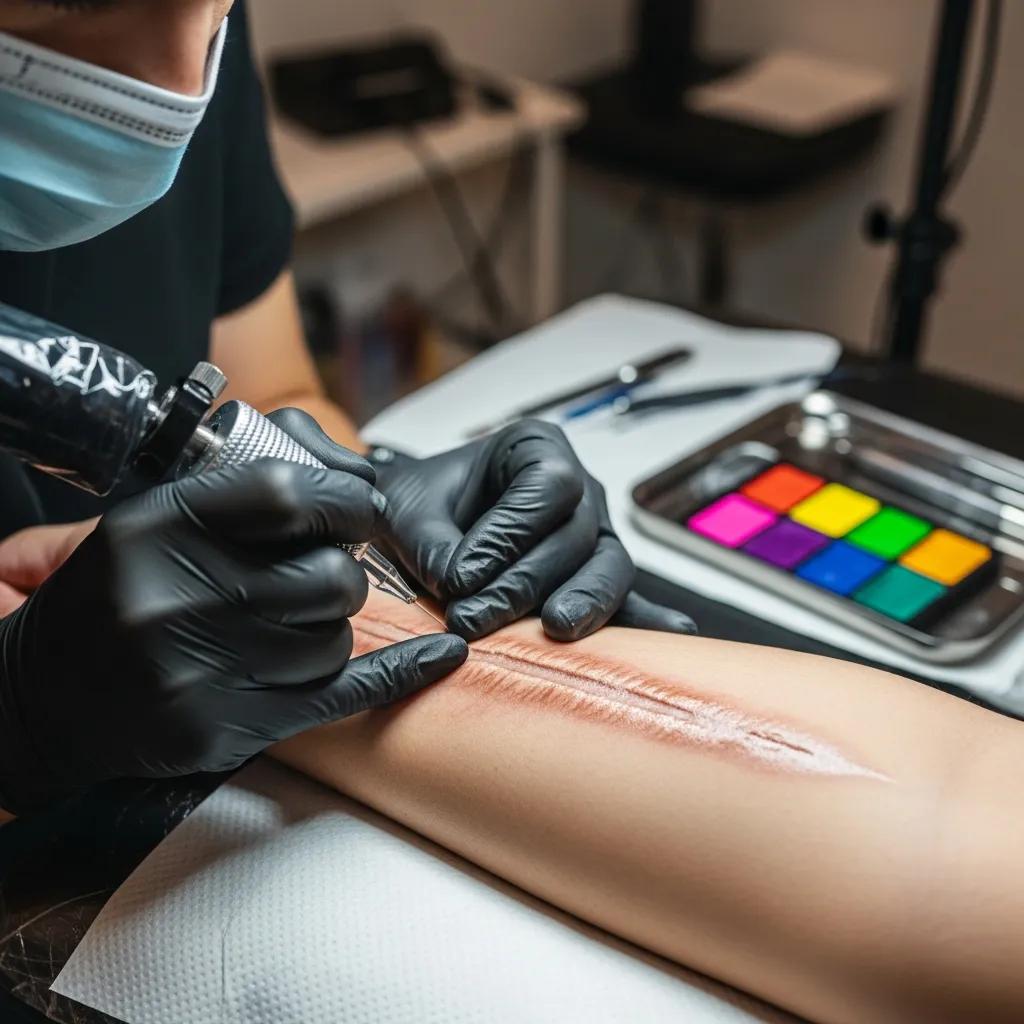
Scar Camouflage Tattooing Process On A Client 039 S Arm By A Skilled Technician

Scar camouflage tattooing involves the application of pigment to the scarred area, effectively blending it with the surrounding skin. This technique can significantly reduce the visibility of scars, making them less noticeable. By carefully matching the pigment to the client’s skin tone, technicians can create a uniform appearance that enhances the overall aesthetic.

Is permanent makeup safe and effective for vitiligo camouflage?

Permanent makeup is considered a safe and effective option for individuals with stable vitiligo. The procedure involves using pigments that are specifically designed to match the skin’s natural tone, helping to camouflage the lighter patches caused by the condition. With proper technique and aftercare, clients can achieve satisfying results that improve their confidence and self-image. However, it is important to note that results may vary, and the procedure is generally recommended for stable vitiligo rather than active spreading.

Further research highlights the detailed technical considerations involved in using tattoo micropigmentation for vitiligo, emphasizing precise color-matching and application.

Tattoo Micropigmentation for Vitiligo Camouflage & Skin Tone Matching

This chapter examines the current landscape of cosmetic and paramedical techniques for vitiligo camouflage, spanning temporary concealment methods—including foundation applications, self-tanning preparations, and second-skin formulations—to permanent corrective solutions through tattoo micropigmentation. The discussion outlines the technical principles underlying tattooing methodologies, with specific attention to needle mechanics, ink composition, and color-matching protocols for accurate skin tone replication.

Cosmetic Skin Camouflage for Vitiligo: Cover-Up and Tattoo Micropigmentation, 2025

What Can Clients Expect During the Complexion Balancing Procedure?

Understanding the complexion balancing procedure is essential for clients considering permanent makeup. This section outlines the consultation process, preparation steps, and aftercare involved in the treatment.

What is the consultation and preparation process?

During the consultation, clients will discuss their specific concerns and desired outcomes with the technician. This step is crucial for determining the appropriate techniques and pigments to use. Following the consultation, clients may undergo a patch test to ensure they do not have any adverse reactions to the pigments. Preparation may also involve avoiding certain skincare products, such as retinoids and exfoliants, prior to the procedure to ensure optimal results.

What does aftercare involve and how long is recovery?

Aftercare is a vital component of the complexion balancing procedure. Clients are typically advised to keep the treated area clean and moisturized while avoiding sun exposure, swimming, and harsh skincare products. Recovery time can vary, but most individuals can expect to see initial results within a few days, with full healing occurring over 7 to 14 days. Adhering to aftercare instructions is essential for achieving the best possible outcome.

This table summarizes the various techniques used in permanent makeup for complexion balancing, highlighting their purposes and expected outcomes. By understanding these methods, clients can make informed decisions about their cosmetic options.

TechniquePurposeExpected Outcome
Scar CamouflageBlend scars with surrounding skinReduced visibility of scars
Vitiligo TreatmentCamouflage lighter patchesMore uniform skin tone
Custom Pigment BlendingMatch skin toneNatural-looking results
Permanent Makeup By Rosie Wells
Privacy Overview

This website uses cookies so that we can provide you with the best user experience possible. Cookie information is stored in your browser and performs functions such as recognising you when you return to our website and helping our team to understand which sections of the website you find most interesting and useful.