
Permanent Makeup for Medical Conditions: Restorative Solutions
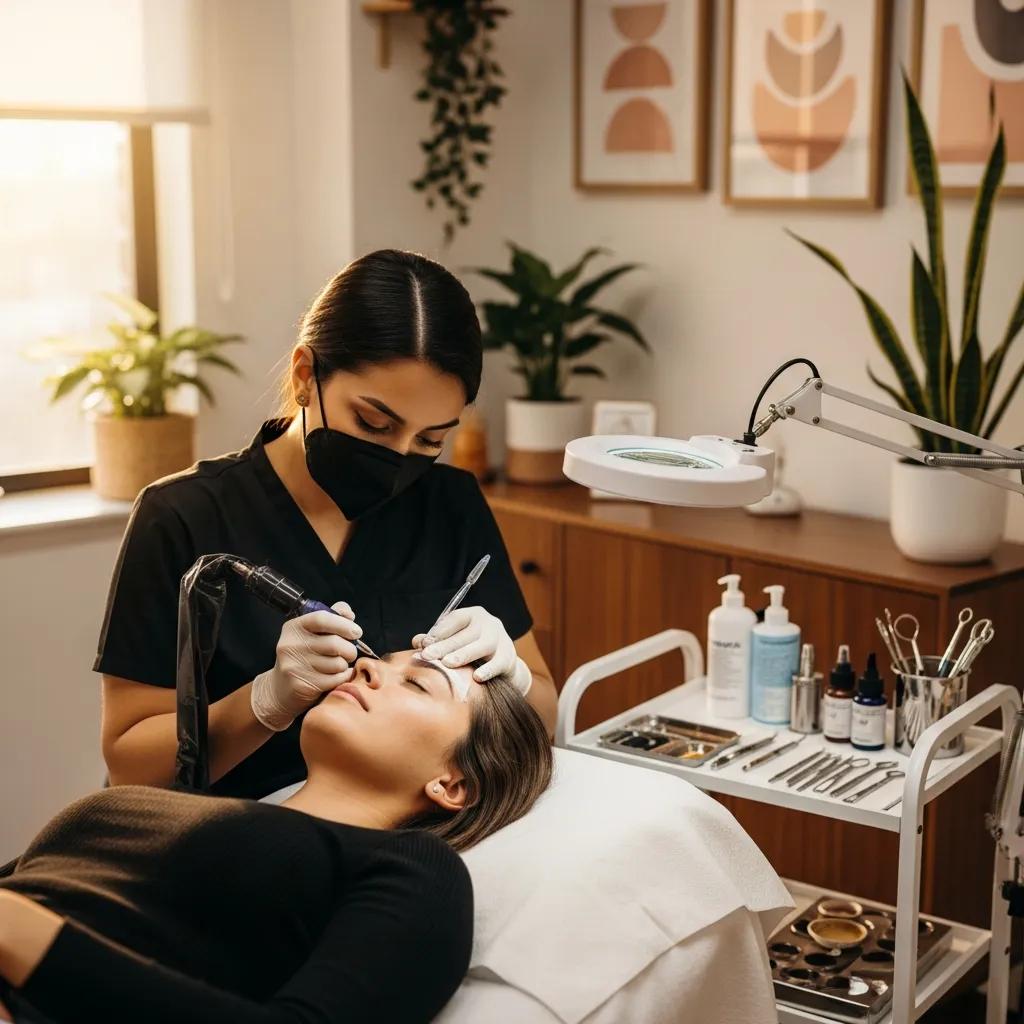
Paramedical tattoo artist applying micropigmentation to a client's skin in a serene setting, illustrating the restorative benefits of permanent makeup for medical conditions.

Restorative Permanent Makeup Solutions for Medical Conditions

Permanent makeup, also known as paramedical tattooing, offers transformative solutions for individuals facing medical conditions that affect their appearance. This article delves into how permanent makeup can restore confidence and enhance the quality of life for those dealing with various medical challenges. From areola reconstruction for breast cancer survivors to scar camouflage for individuals with skin conditions, the benefits of these restorative techniques are profound. We will explore the mechanisms behind paramedical tattooing, its emotional and physical benefits, and specific applications for conditions like vitiligo and alopecia.

Research consistently highlights how medical tattooing significantly contributes to improved aesthetic outcomes and patient satisfaction among breast cancer survivors.

Medical Tattooing Enhances Aesthetic Outcomes for Breast Cancer Survivors

Studies indicate that physical appearance changes affect a significant proportion of breast cancer survivors, often leading to post-surgical distress. Both reconstructive surgery and medical tattoos are associated with patient-reported satisfaction, yet further research is necessary to understand their combined impact on aesthetic outcomes from the patient perspective. The findings suggest that medical tattooing serves as a valuable complementary cosmetic intervention, with many survivors expressing interest and recognizing potential benefits once informed about the option. Despite these limitations, this study highlights the significant role that medical tattooing can play in enhancing aesthetic outcomes after surgery, particularly from a patient-centered approach.

Breast Cancer Survivors’

Perceptions of Mastectomy Reconstruction: A Comparative Analysis of Medical Tattooing Impact on Aesthetics, JE Cassisi, 2025

What is Paramedical Tattooing and How Does It Restore Confidence?

Paramedical tattooing is a specialized form of cosmetic tattooing designed to address medical conditions that impact appearance. This technique involves the application of pigments to the skin to restore natural features, such as eyebrows, lips, and areolas, or to camouflage scars. By providing a natural-looking solution, paramedical tattooing can significantly enhance self-esteem and emotional well-being.

The process works by using advanced micropigmentation techniques that deposit pigments into the upper dermal layer of the skin. This method not only helps in restoring lost features but also aids in the healing process by providing a sense of normalcy. Many individuals report feeling more confident and empowered after undergoing paramedical tattooing, as it allows them to reclaim their identity and improve their quality of life.

How Does Medical Micropigmentation Differ from Cosmetic Tattooing?

Medical micropigmentation differs from traditional cosmetic tattooing in its purpose and application. While cosmetic tattooing focuses on enhancing beauty features, medical micropigmentation aims to restore or reconstruct features lost due to medical conditions. For instance, medical micropigmentation can be used to create realistic-looking eyebrows for individuals who have lost hair due to alopecia or to replicate the appearance of areolas for breast cancer survivors.

The techniques used in medical micropigmentation are more precise and often require a deeper understanding of skin anatomy and color theory. This specialization ensures that the results are not only aesthetically pleasing but also safe and effective for individuals with specific medical needs.

What Are the Emotional and Physical Benefits of Restorative Permanent Makeup?

Restorative permanent makeup offers numerous emotional and physical benefits. Emotionally, individuals who undergo these procedures often experience a boost in self-esteem and confidence. The ability to regain lost features can significantly improve one’s self-image, leading to a more positive outlook on life.

Physically, the benefits include long-lasting results that eliminate the need for daily makeup application, which can be particularly advantageous for those with limited mobility or chronic conditions. Additionally, the healing process can be enhanced by the use of high-quality pigments that are designed to blend seamlessly with the skin, providing a natural appearance.

For those interested in exploring these transformative options, Permanent Makeup by Rosie Wells specializes in paramedical tattooing services, including areola restoration and scar camouflage, tailored to meet individual needs.

How Does Areola Reconstruction Tattooing Support Breast Cancer Survivors?
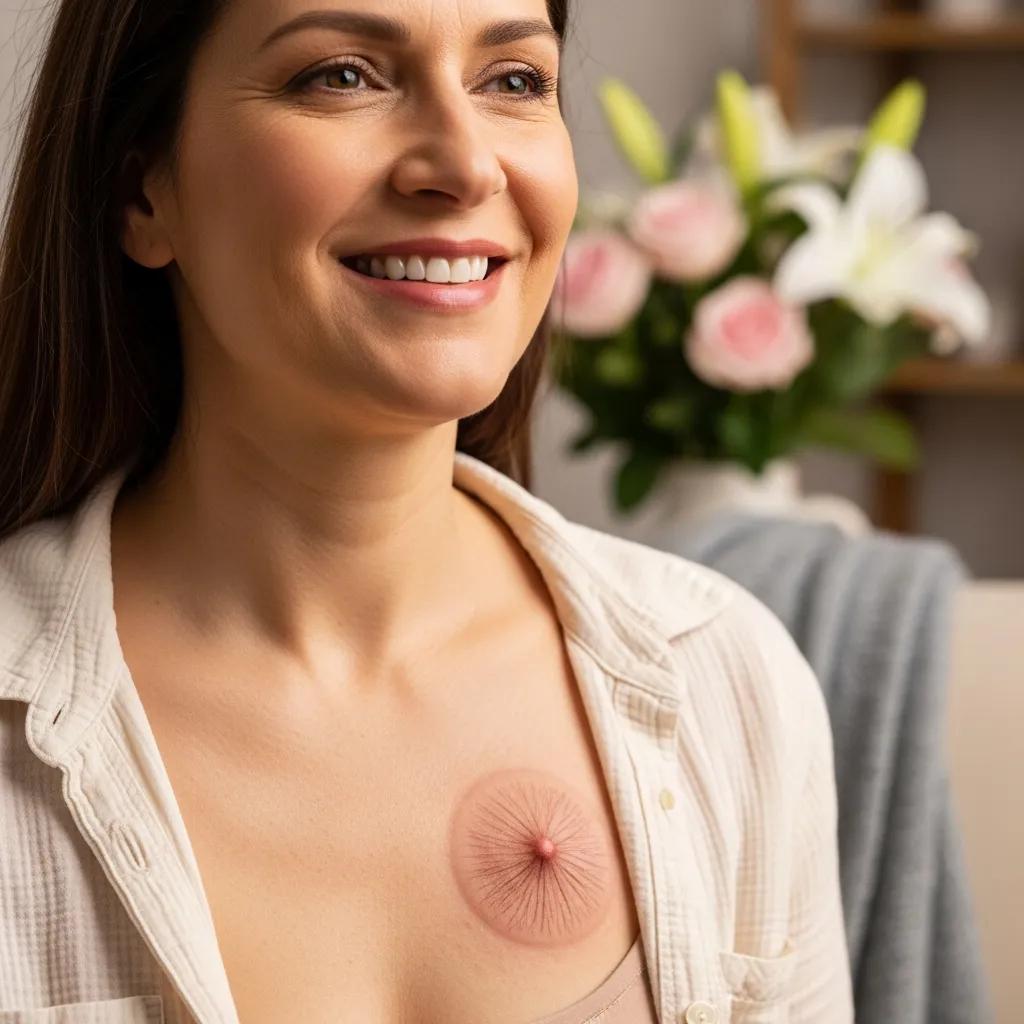
Breast Cancer Survivor Smiling After Areola Reconstruction Tattooing Showcasing The Emotional Impact Of The Procedure

Areola reconstruction tattooing is a vital service for breast cancer survivors who have undergone mastectomy. This procedure involves the repigmentation of the areola to create a natural appearance that can help restore a sense of wholeness and femininity.

What Is the Process of Areola Repigmentation After Mastectomy?

The process of areola repigmentation involves several steps. Initially, a consultation is conducted to assess the patient’s needs and preferences. Following this, the area is prepared, and a topical anesthetic may be applied to minimize discomfort. The tattooing process then begins, where pigments are carefully applied to recreate the areola’s natural color and texture.

After the procedure, patients are provided with aftercare instructions to ensure proper healing. The results can be life-changing, as many women report feeling more complete and confident in their bodies post-procedure.

Further studies confirm the effectiveness of advanced techniques like 3D tattooing in achieving high patient satisfaction and excellent outcomes for nipple reconstruction.

3D Tattooing for Nipple Reconstruction: Outcomes & Patient Satisfaction

ABSTRACT: Skin-sparing mastectomy (SSM) preserves the breast skin envelope, improving reconstructive and cosmetic outcomes, but removal of the nipple-areola complex (NAC) can cause psychological distress and body image concerns. Nipple reconstruction is a critical component of post-mastectomy care. This systematic review summarizes current techniques, patient-reported outcomes, complications, and the role of patient-centered decision-making. Following PRISMA guidelines, a literature search identified 42 studies with ≥ 30 patients undergoing nipple reconstruction post-SSM. Techniques included local flaps (C-V, skate, star, five-flap), nipple-sharing, 3D tattooing, combined methods, and innovations like implants and reinnervation. Satisfaction ranged from 66.1% to 96%, with 3D tattooing and advanced flaps scoring highest. Complication rates were lowest for tattooing (1%) and highest for C-V flaps (14% necrosis). Shared decision-making improved satisfaction by 34% and reduced regret by 22%. Nipple

Nipple reconstruction after skin-sparing mastectomy: techniques, outcomes, and patient-centered decision making–a systematic review, 2025

Who Is an Ideal Candidate for Nipple Tattoo Reconstruction?

Ideal candidates for nipple tattoo reconstruction include breast cancer survivors who have undergone mastectomy or those who have experienced significant changes in their breast appearance due to medical conditions. Factors such as skin type, healing ability, and personal expectations are considered during the consultation process.

It is essential for candidates to have realistic expectations and to understand that while the results can be transformative, they may not perfectly replicate the original appearance. A thorough consultation with a qualified professional can help set these expectations and ensure the best possible outcome.

What Are the Techniques and Benefits of Scar Camouflage Micropigmentation?
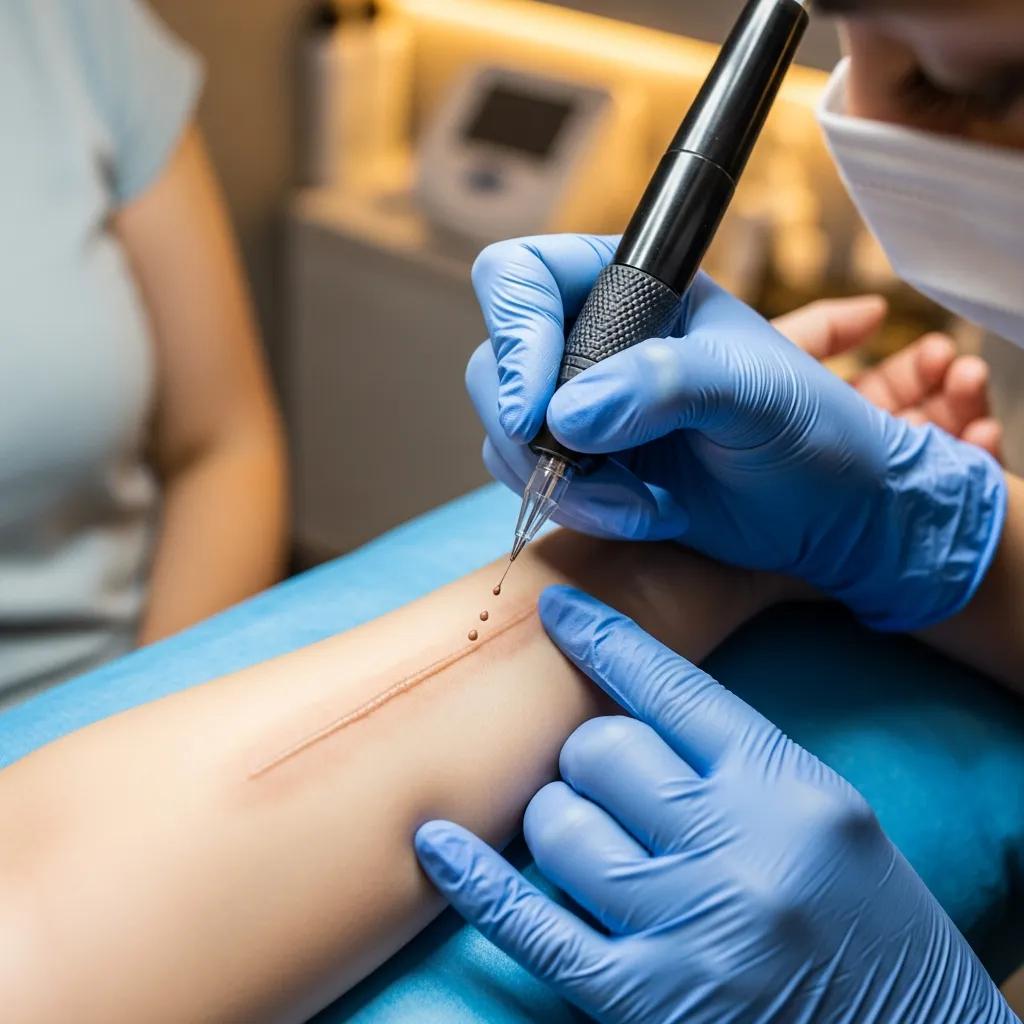
Technician Applying Scar Camouflage Micropigmentation Demonstrating The Technique 039 S Effectiveness In Reducing Scar Visibility

Scar camouflage micropigmentation is a technique used to reduce the visibility of scars, burns, or skin conditions by blending them with the surrounding skin tone. This method can significantly improve the appearance of scars, making them less noticeable and helping individuals feel more comfortable in their skin.

The benefits of scar camouflage include enhanced self-esteem and a reduction in the emotional distress often associated with visible scars. This technique is particularly beneficial for individuals who have experienced trauma or surgery, as it can help restore a sense of normalcy.

How Does Scar Camouflage Improve Appearance of Surgical and Burn Scars?

Scar camouflage works by using specialized pigments that match the individual’s skin tone. The pigments are applied in a way that mimics the natural texture and color of the surrounding skin, effectively disguising the scar.

Patients often report feeling more confident and less self-conscious about their scars after undergoing this procedure. The results can be particularly impactful for those who have scars from surgeries or burns, as it allows them to move forward without the constant reminder of their past experiences.

What Should Patients Expect During Scar Camouflage Tattooing?

During the scar camouflage tattooing process, patients can expect a thorough consultation to discuss their goals and the expected outcomes. The area will be cleaned and a topical anesthetic may be applied to minimize discomfort. The tattooing process itself is relatively quick, and patients can typically return to their daily activities shortly after the procedure.

Aftercare is crucial for optimal healing, and patients will receive specific instructions to follow. The results can be long-lasting, providing a significant boost in confidence and self-image.

How Can Permanent Makeup Address Vitiligo and Other Medical Skin Conditions?

Permanent makeup can be an effective solution for individuals with vitiligo and other skin conditions that cause discoloration. By using micropigmentation techniques, practitioners can create a more uniform skin tone, helping to camouflage the effects of these conditions.

The growing acceptance of micropigmentation for various medical conditions, particularly vitiligo, underscores its importance in cosmetic and medical applications.

Micropigmentation for Cosmetic & Medical Conditions

acceptance of micropigmentation for a spectrum of diseases of cosmetic importance, especially in mucosal vitiligo. Micropigmentation is also being used for various medical indications,

Micropigmentation: tattooing for medical purposes, 2005

This approach not only improves the appearance of the skin but also enhances the individual’s self-esteem and confidence. Many patients find that permanent makeup allows them to feel more comfortable in their skin, reducing the emotional burden associated with visible skin conditions.

What Is Vitiligo Micropigmentation and How Does It Work?

Vitiligo micropigmentation involves the application of pigments to areas of the skin affected by vitiligo, helping to blend the lighter patches with the surrounding skin. This technique requires a skilled practitioner who understands color theory and skin anatomy to achieve the best results.

The process typically begins with a consultation to determine the appropriate pigment shade and to discuss the desired outcome. The tattooing process is performed with precision to ensure a natural appearance, and patients are provided with aftercare instructions to promote healing.

Are There Permanent Makeup Solutions for Alopecia and Hair Loss?

Yes, permanent makeup offers solutions for individuals experiencing alopecia and hair loss. Techniques such as scalp micropigmentation can create the illusion of fuller hair by tattooing tiny dots that resemble hair follicles.

This method can be particularly beneficial for those with patchy hair loss or thinning hair, as it provides a more youthful and fuller appearance. Many individuals report feeling more confident and less self-conscious about their hair loss after undergoing these procedures.

TechniqueApplicationBenefits
Areola ReconstructionRepigmentation for breast cancer survivorsRestores natural appearance, boosts confidence
Scar CamouflageBlending scars with surrounding skinReduces visibility of scars, enhances self-esteem
Vitiligo MicropigmentationCamouflaging skin discolorationCreates uniform skin tone, improves self-image

This table summarizes the various techniques and their applications, highlighting the significant benefits of paramedical tattooing for individuals with medical conditions.

Permanent Makeup by Rosie Wells specializes in these transformative services, offering personalized consultations to help individuals regain their confidence and improve their quality of life through paramedical tattooing. Whether you are a breast cancer survivor seeking areola reconstruction or someone looking to camouflage scars, the expert team is dedicated to providing compassionate care and exceptional results.

Permanent Makeup By Rosie Wells
Privacy Overview

This website uses cookies so that we can provide you with the best user experience possible. Cookie information is stored in your browser and performs functions such as recognising you when you return to our website and helping our team to understand which sections of the website you find most interesting and useful.