Permanent Makeup FAQ: Your Questions Answered

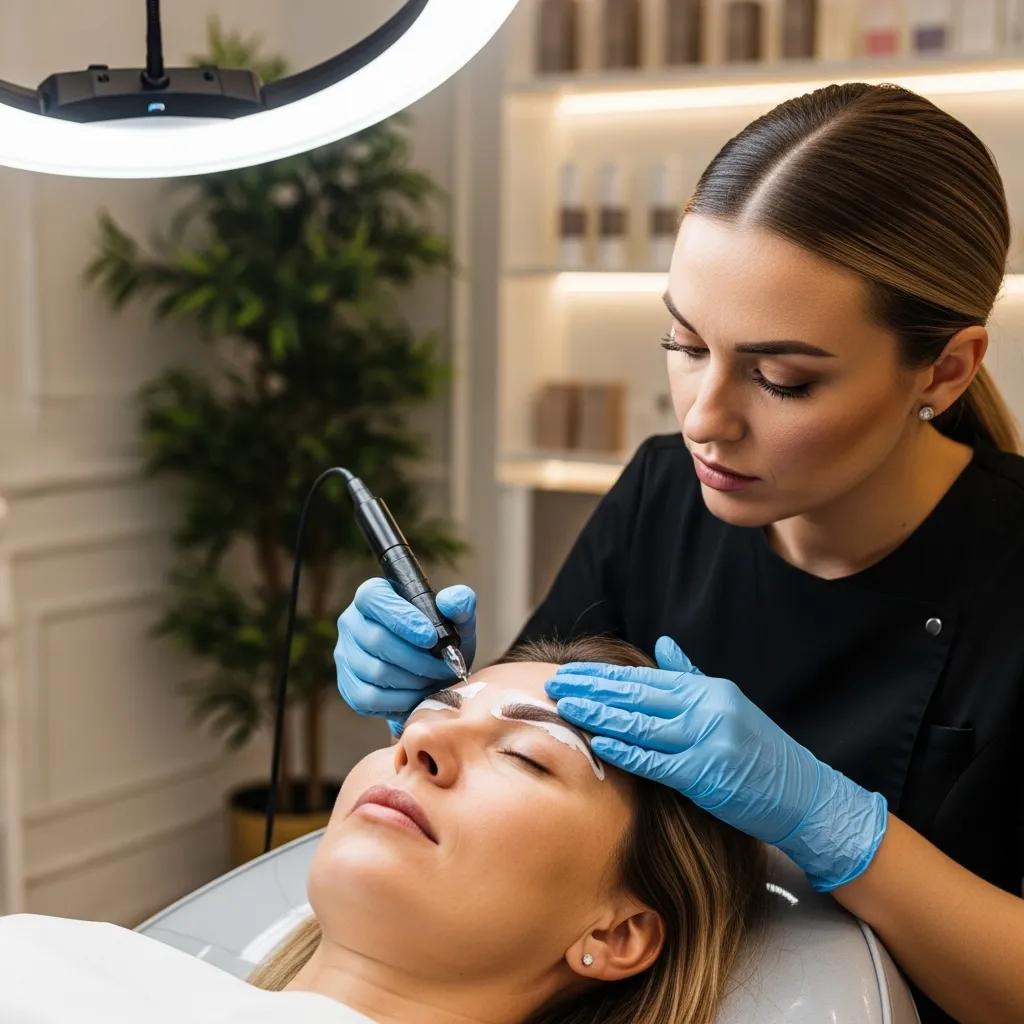
Professional Makeup Artist Applying Permanent Makeup In A Clean Salon

Permanent Makeup FAQ: How Long It Lasts, Safety, Pain, Healing, and Aftercare

Permanent makeup, also known as micropigmentation, is a cosmetic technique that involves implanting pigment into the skin to enhance facial features. This method has gained popularity for its convenience and semi-permanent results. In this article, we will address common questions about permanent makeup, including its longevity, safety, pain levels, healing process, and aftercare. Many individuals are curious about how long permanent makeup lasts and what factors influence its durability. Understanding these aspects can help potential clients make informed decisions about their beauty choices. We will explore the longevity of permanent makeup, safety concerns, pain management during procedures, the healing process, and essential aftercare tips.

How Long Does Permanent Makeup Last?

Permanent makeup is designed to last for several years, but its longevity can vary based on several factors. Typically, clients can expect their permanent makeup to last anywhere from 1 to 3 years before requiring a touch-up. The duration largely depends on individual skin types, lifestyle choices, and the techniques used during application.

Further research highlights that while semi-permanent pigments typically last 1-2 years, true permanent pigments can be visible indefinitely, though potential risks like infection and scarring should always be considered.

Permanent Makeup Longevity & Safety Risks

Semipermanent pigments give the patient a sense control and allow for changes in style or trends. The semipermanent pigments generally last about 1–2 years and gradually fade whereas the permanent pigments are visible indefinitely. While many people have good results from cosmetic tattooing, the possibility of pigment misplacement, discoloration, scarring, infection, and eye injury should be considered.

Permanent and Semipermanent Micropigment Treatments, 2024

What Factors Affect the Duration of Permanent Makeup?

Several factors can influence how long permanent makeup lasts. These include:

  1. Skin Type: Oily skin may cause pigments to fade more quickly than dry or normal skin.
  2. Aftercare Practices: Proper aftercare can significantly extend the life of the makeup. Following the technician's instructions is crucial.
  3. Technique Used: Different application techniques can affect pigment retention. For instance, machine application may provide more consistent results, but longevity also depends on pigment type and depth of implantation.

Understanding these factors can help clients maintain their permanent makeup for as long as possible.

When Should You Consider a Touch-Up?

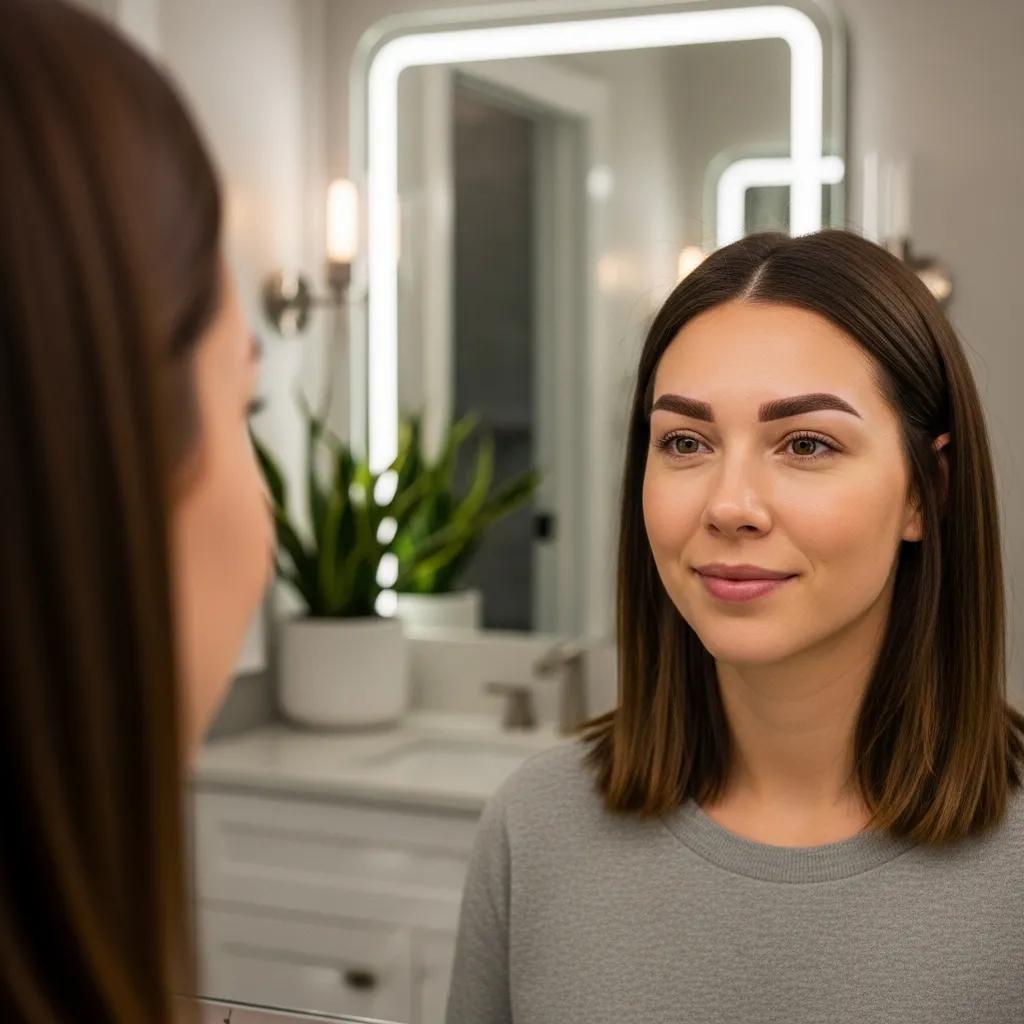
Client Examining Freshly Touched Up Permanent Makeup In A Mirror

Touch-ups are essential for maintaining the vibrancy of permanent makeup. Clients should consider scheduling a touch-up when they notice signs of fading, which can occur after 1 to 3 years. Additionally, personal preferences may dictate when to refresh the look. Regular touch-ups ensure that the makeup remains fresh and enhances the client’s features effectively.

Is Permanent Makeup Safe?

Safety is a primary concern for anyone considering permanent makeup. When performed by a qualified technician in a sterile environment, permanent makeup is generally safe. However, it is essential to understand the potential risks involved.

Studies on specific permanent makeup techniques like microblading further underscore the importance of infection control and proper wound care to mitigate biological hazards.

Microblading Safety, Infection Control & Wound Care

Microblading is emerging as one of the fastest growing beauty trends, appearing in tattoo shops, hair salons, and even in private home studios. The procedure uses a tool with single blade to penetrate the upper layer of the dermis and deposit semi-permanent pigments to mimic hair-like strokes. This study compares the risks of microblading to those in tattooing and analyzes the similarities in order to determine the biological hazards associated with microblading. Currently, there is a lack of knowledge on microblading practices specifically, and the purpose of this study was to evaluate the level of infection control knowledge and practices in place, as well as the attitudes towards regulations in British Columbia.

Biological hazards associated with microblading and evaluation of its infection control procedures and wound care, 2018

What Are the Risks and Precautions?

While permanent makeup is safe for most individuals, there are some risks to consider:

  1. Allergic Reactions: Some clients may experience allergic reactions to the pigments used.
  2. Infection Risks: If proper hygiene practices are not followed, there is a risk of infection.
  3. Choosing a Qualified Technician: It is crucial to select a certified and experienced technician to minimize risks.

Taking these precautions can help ensure a safe and successful permanent makeup experience.

Indeed, ongoing research continues to highlight the multifaceted nature of risk factors in semi-permanent makeup, encompassing everything from design and ingredient safety to client perception of pain and the overall sanitary environment.

Semi-Permanent Makeup Risks: Pain, Safety & Hygiene

However, continuous research on safety is necessary because the risk factors for semi-permanent makeup are perceived in various aspects such as design, safety of ingredients, belief, worry, pain, and sanitary environment.

A Study on the Risk Recognition and PROTECTION of Semi-Permanent Makeup in Female Students, J Lee, 2021

Who Should Avoid Permanent Makeup?

Certain individuals should avoid permanent makeup due to potential health risks. These include:

  1. Pregnant or Nursing Women: It is generally recommended to avoid permanent makeup during pregnancy and breastfeeding due to hormonal changes and lack of research on safety.
  2. Certain Skin Conditions: Individuals with skin conditions like eczema, psoriasis, or active skin infections should consult a dermatologist before proceeding.
  3. Medical Contraindications: Those with specific medical conditions, such as autoimmune diseases, or on certain medications like blood thinners, should seek medical advice.

Consulting with a healthcare professional can help determine if permanent makeup is a suitable option.

Does Permanent Makeup Hurt?

Pain levels during permanent makeup procedures can vary from person to person. However, most clients report only mild discomfort during the application process.

What to Expect During the Procedure?

During the procedure, clients can expect the following:

  1. Preparation Steps: The technician will clean the area and may apply a numbing cream to minimize discomfort.
  2. Procedure Duration: The application typically takes 1 to 2 hours, depending on the area being treated.
  3. Post-Procedure Care: After the procedure, clients will receive instructions on how to care for the area to ensure proper healing.

Understanding the procedure can help alleviate anxiety and prepare clients for the experience.

How Is Pain Managed?

Pain management is an essential aspect of the permanent makeup process. Technicians often use numbing agents to minimize discomfort. Common pain management techniques include:

  1. Topical Numbing Creams: Applied before the procedure to reduce sensitivity.
  2. Gentle Techniques: Skilled technicians use gentle techniques to minimize pain during application.
  3. Client Comfort Measures: Technicians may check in with clients throughout the procedure to ensure comfort.

These strategies help ensure a more pleasant experience for clients.

What Is the Permanent Makeup Healing Process?

The healing process after permanent makeup application is crucial for achieving the best results. Understanding what to expect can help clients navigate this phase effectively.

How Long Does Healing Take?

Healing time can vary, but most clients can expect the initial healing to take about 7 to 14 days. During this time, the pigment may appear darker before settling into the final shade. Factors that can influence healing time include:

  1. Skin Type: Oily skin may take longer to heal.
  2. Aftercare Compliance: Following aftercare instructions can expedite healing.
  3. Area Treated: Some areas may heal faster than others.

Being aware of these factors can help clients manage their expectations during the healing process.

What Are Common Healing Symptoms?

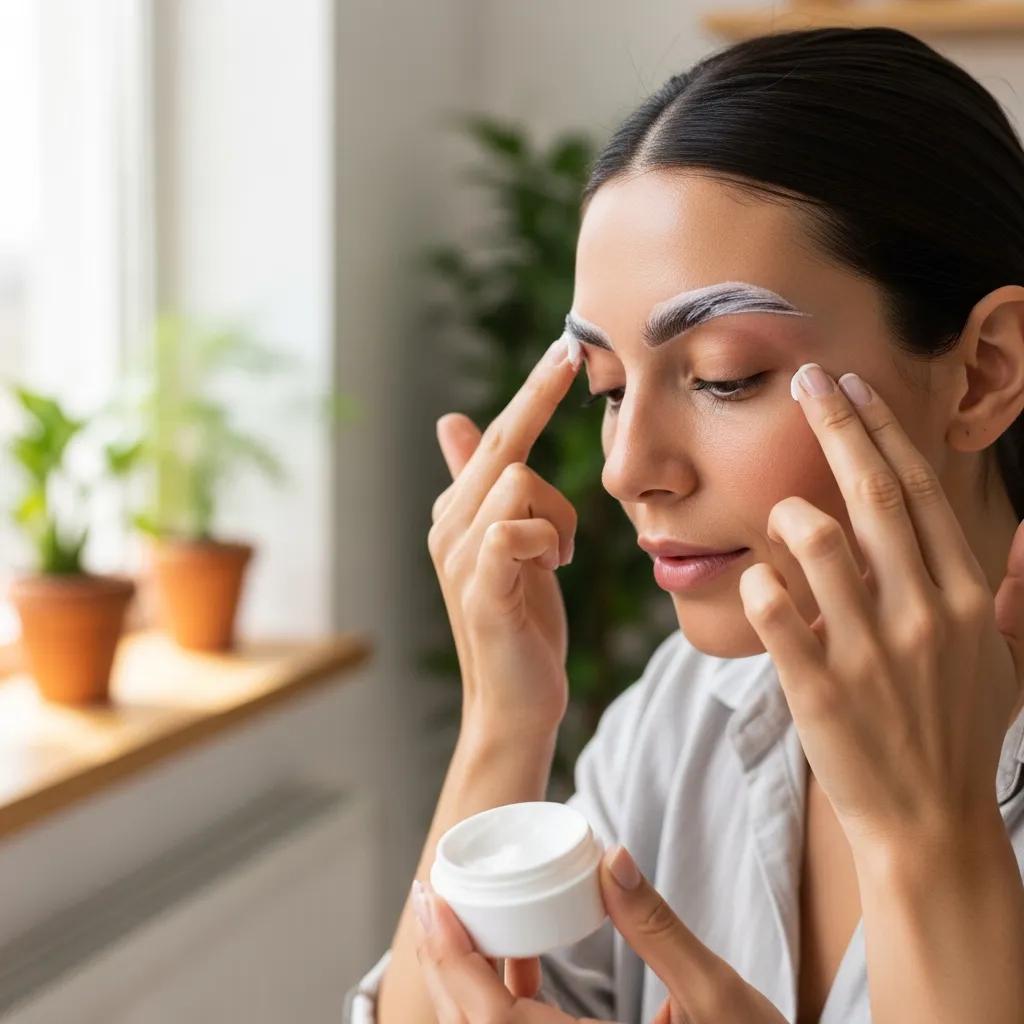
Woman Applying Soothing Cream To Her Eyebrows After Permanent Makeup

During the healing process, clients may experience several common symptoms, including:

  1. Swelling and Redness: Mild swelling and redness are normal and should subside within a few days.
  2. Itching and Peeling: As the skin heals, clients may experience itching or peeling, which is a natural part of the healing process.
  3. When to Seek Medical Advice: If symptoms persist, worsen, or signs of infection appear (such as excessive redness, pus, or severe pain), clients should consult their technician or a healthcare professional.

Recognizing these symptoms can help clients differentiate between normal healing and potential complications.

Permanent Makeup By Rosie Wells
Privacy Overview

This website uses cookies so that we can provide you with the best user experience possible. Cookie information is stored in your browser and performs functions such as recognising you when you return to our website and helping our team to understand which sections of the website you find most interesting and useful.