
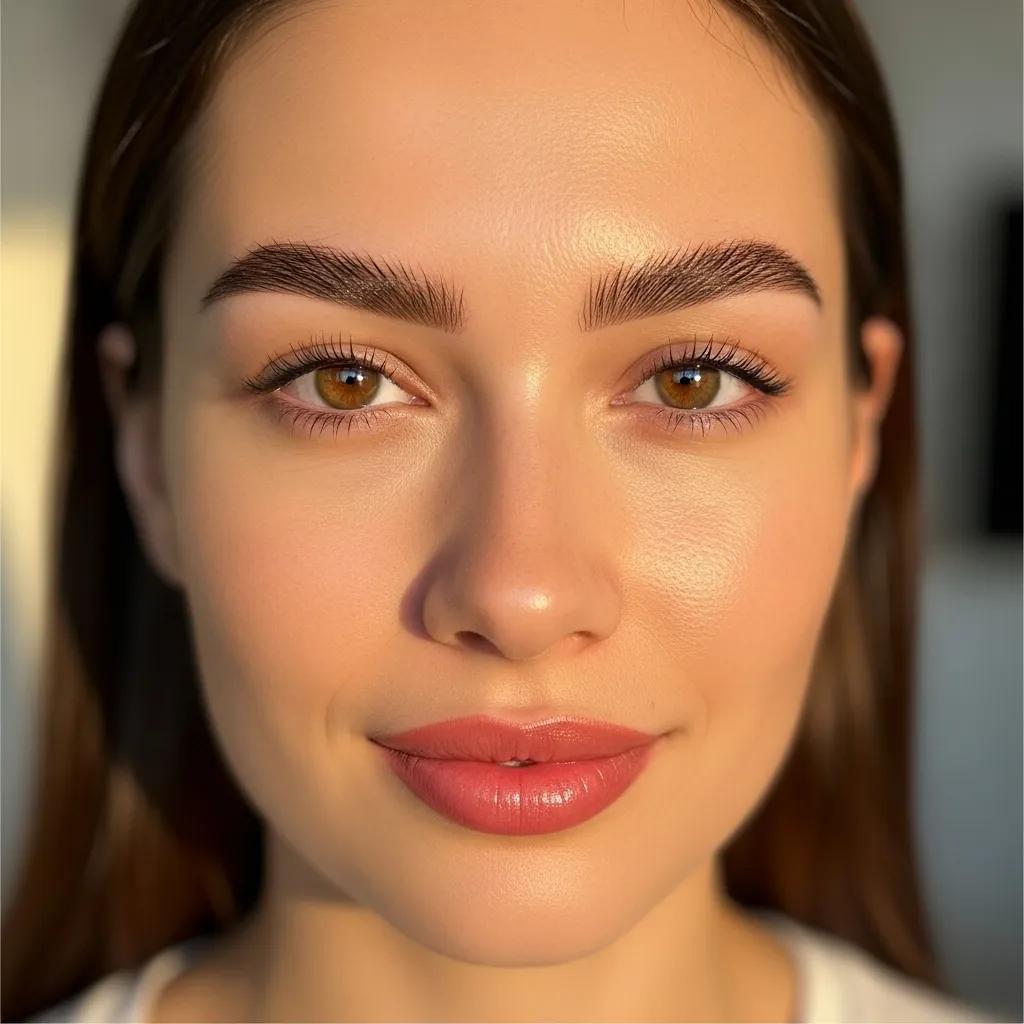
Essential Aftercare for Optimal Permanent Makeup Results
What Is the Permanent Makeup Healing Process and What Should You Expect?
What Are the Typical Healing Stages After Permanent Makeup?
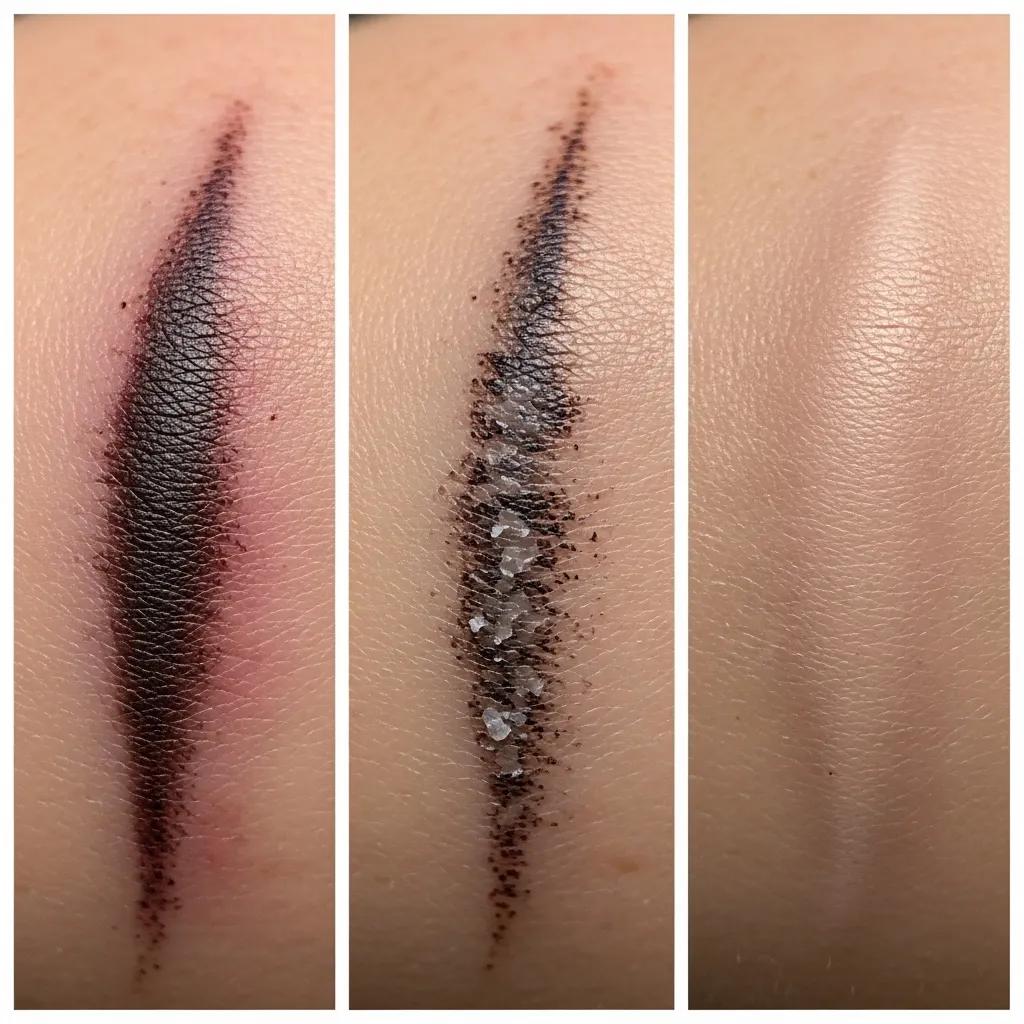
- Initial Darkening: Right after the procedure, the pigment may appear darker due to the healing process and slight swelling.
- Scabbing and Flaking: Within about 5-10 days, the area will start to scab and flake as the skin heals.
- Final Color Stabilization: After about 4-8 weeks, the color will settle into its final shade, revealing the desired look.
How Does Healing Differ Between Brows, Lips, and Eyeliner?
- Brows: Typically heal within 7-14 days, with minimal discomfort.
- Lips: May take around 10-14 days to heal and can be more sensitive and prone to dryness during healing.
- Eyeliner: Generally heals in 7-10 days, with possible initial swelling and mild irritation.
What Are the Key Aftercare Instructions for Permanent Makeup?
Which Dos and Don'ts Ensure Proper Healing?
- Keep the area clean: Gently cleanse the area with a mild, fragrance-free soap or cleanser.
- Moisturize: Apply a healing ointment or recommended aftercare balm as advised by your technician.
- Avoid sun exposure: Protect the area from direct sunlight to prevent premature fading.
- Do not pick or scratch: Avoid touching or picking at the area to prevent scarring and pigment loss.
- Avoid swimming: Stay away from pools, hot tubs, saunas, and prolonged water exposure during the healing process.
- Do not apply makeup: Refrain from using makeup on the treated area until fully healed.
What Are Recommended Aftercare Products and Their Benefits?
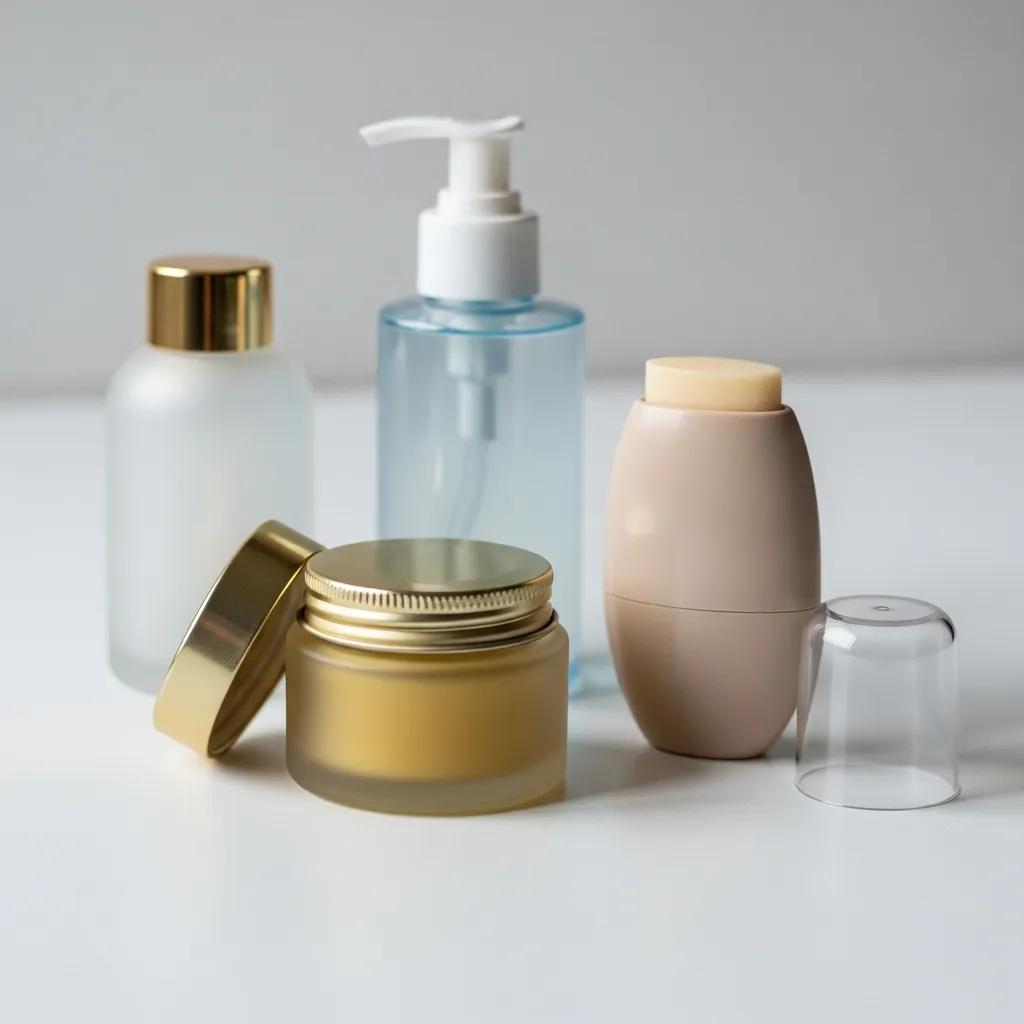
| Product | Purpose | Benefits |
|---|---|---|
| Healing Ointment or Balm | Moisturization | Promotes healing, soothes skin, and prevents excessive scabbing |
| Gentle Cleanser | Cleansing | Removes impurities without irritation |
| Sunscreen | Protection | Shields the area from UV damage and prevents fading |
How Do You Manage Common Healing Concerns and When Should You Contact a Specialist?
What Are Signs of Infection or Unusual Healing?
- Increased redness and swelling: If the area becomes excessively red, swollen, or warm to the touch.
- Pus or discharge: Any yellow or green fluid coming from the site.
- Persistent pain or tenderness: If discomfort worsens or does not improve after a few days.
How to Handle Excessive Scabbing or Color Changes?
- Do not pick at scabs: Allow them to fall off naturally to avoid scarring and pigment loss.
- Monitor color changes: If the color appears significantly different or patchy after healing, consult your technician for advice or possible touch-up.
What Are Long-Term Care Tips to Maintain Permanent Makeup Vibrancy?
How Does Sun Exposure and Skincare Affect Pigment Longevity?
- Use sunscreen: Apply a broad-spectrum sunscreen with at least SPF 30 on the treated area daily.
- Avoid harsh skincare products: Steer clear of exfoliants, chemical peels, retinoids, and acids on the treated area to prevent premature fading.
Post-Procedure Care Algorithm for Injectable Treatments
The four sections of the algorithm address measures for optimizing outcome before, during, and after the procedure. Prevention includes avoiding excessive sun exposure and the use of a broad-spectrum sunscreen with an SPF 30 or higher. Before nonenergy-based and injectable treatments, the avoidance of alcohol, retinol peels, and agents such as acetylsalicylic acid and nonsteroidal anti-inflammatory drugs, amongst other agents, is advised.
Algorithm for Nonenergy and Injectable Treatment Pre-/Post-Procedure Measures, 2021
When and Why Are Touch-Ups Necessary?
- 4-8 weeks after the initial procedure: To refresh the color, correct any unevenness, and ensure optimal pigment retention.
- Every 1-3 years thereafter: Depending on skin type, lifestyle, and pigment fading, periodic touch-ups help maintain the desired look.