
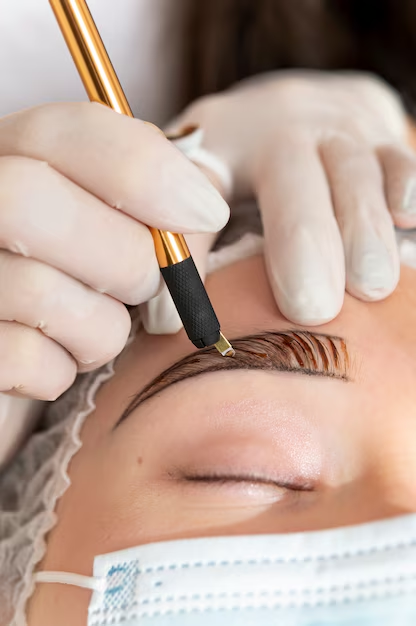
Introduction to Eyebrow Enhancements
In the beauty and personal care industry, eyebrow enhancements have gained significant popularity, offering solutions that save time and enhance facial aesthetics. With the advent of microblading and permanent makeup, individuals now have options to achieve fuller and well-defined eyebrows. While both treatments aim for similar results, they employ different techniques and involve unique considerations. This article delves into the comparative analysis of microblading and permanent makeup, guiding you through their nuances to help you determine which eyebrow treatment aligns with your preferences and lifestyle.
Section 1: Understanding Microblading
Microblading is a semi-permanent cosmetic procedure that involves manually depositing pigment into the skin. It uses a fine blade to create hair-like strokes, resulting in natural-looking eyebrows. Typically, microblading lasts between 12 to 18 months depending on skin type, lifestyle, and after-care practices.
- Procedure: Microblading involves a hand-held tool instead of a tattoo machine.
- Results: Offers a natural appearance with hair-like strokes.
- Maintenance: Requires annual touch-ups to maintain the look.
Section 2: Exploring Permanent Makeup
Permanent makeup, also known as cosmetic tattooing, employs a machine to implant pigment into the skin, typically deeper than microblading. It offers a variety of eyebrow styles, from natural to more dramatic looks, with results lasting from 2 to 5 years.
- Procedure: Utilizes a tattoo machine with various needles for pigmentation.
- Versatility: Can achieve diverse styles, including shading and ombre effects.
- Longevity: Longer-lasting results compared to microblading.
Section 3: Evaluating Effectiveness and Aesthetics
The effectiveness of either treatment largely depends on the desired aesthetic and skin type:
- Microblading: Best suited for dry to normal skin types, providing a more natural look.
- Permanent Makeup: Ideal for all skin types, offering more defined and dramatic results.
For those seeking subtlety, microblading is often preferred. However, permanent makeup can provide depth and intensity desired by others, especially those with sparse brows.
Section 4: Understanding the Pain and Recovery Process
Pain tolerance and recovery time are crucial considerations:
- Microblading: Mild discomfort is common, with a recovery period of 7-14 days.
- Permanent Makeup: Slightly higher discomfort, taking 10-14 days to heal fully.
Both procedures generally involve some initial redness and swelling, subsiding within a few days.
Section 5: Longevity and Skin Compatibility
Microblading and permanent makeup differ in longevity and compatibility:
- Microblading: Pigment fades quicker, necessitating frequent touch-ups.
- Permanent Makeup: Better suited for oily skins due to deeper pigment placement.
Individuals with oily skin may experience faster fading with microblading, making permanent makeup a more suitable option.
Section 6: Popularity and Trends
The demand for eyebrow enhancements remains high, with trends continually evolving. Microblading and permanent makeup thrive owing to celebrity endorsements and social media influencers. According to a report by Research Nester, the global permanent makeup market is expected to grow at a CAGR of 13% between 2021 and 2027, making it a lucrative industry segment.
Section 7: Client Testimonials and Experiences
Customer satisfaction largely dictates content in choosing eyebrow treatments. While some prefer the natural aesthetics of microblading, others appreciate the boldness of permanent makeup.
“I opted for microblading due to its natural finish, complementing my everyday look effortlessly,” – Amanda, 32.
“Permanent makeup offered me the confidence boost with a defined appearance I’ve long desired,” – Lydia, 28.
Section 8: Key Factors Influencing Your Decision
Choosing the right treatment involves evaluating personal preferences, lifestyle, and skin type. Consider these questions:
- What is your priority: natural look or definition?
- How often can you commit to maintenance?
- What is your budget range for initial treatment and touch-ups?
- Which discomfort level aligns with your pain tolerance?
Key Takeaways
In conclusion, both microblading and permanent makeup provide valuable solutions for eyebrow enhancements, each with distinct advantages and considerations. For those seeking a natural appearance, microblading is preferable, whereas permanent makeup caters to those desiring longevity and definition. Carefully assess your aesthetic desires, maintenance commitment, budget, and skin compatibility to select the treatment that best suits your needs. For further inquiries or personalized consultation, explore our Contact Us page to connect with professionals.
FAQs
Is one treatment more suitable for sensitive skin than the other?
Microblading might be more preferable for sensitive skin as it involves a more superficial application of pigment, which can reduce irritation risks. However, both treatments necessitate careful consideration and consultation with a licensed professional, particularly if you have sensitive or reactive skin. It’s crucial to ensure that you communicate your skin’s sensitivities beforehand and verify that the practitioner uses hypoallergenic pigments and follows strict hygiene standards to minimize adverse reactions.
How long does each treatment last, and how often are touch-ups required?
Microblading typically lasts between 12 to 18 months, depending on skin type, lifestyle, and maintenance practices, warranting annual touch-ups for upkeep. Permanent makeup, on the other hand, generally lasts from 2 to 5 years. However, factors like sun exposure and skin oiliness can influence longevity, with oily skin potentially necessitating more frequent touch-ups. It's advisable to confer with your technician regarding expected duration and maintenance tailored to your situation.
Are either of these treatments reversible if I am not satisfied with the results?
Both microblading and permanent makeup can be modified or removed if you are unsatisfied with the outcome, though reversal is more complex. Laser treatments and saline removal are common methods for pigment removal, but they can be costly and require multiple sessions, especially for permanent makeup, where pigment is deposited deeper in the skin. Engaging in a thorough consultation and selecting an experienced professional can mitigate these concerns and enhance satisfaction with initial results.
What should I look for when choosing a professional for these treatments?
When selecting a practitioner, prioritize credentials, experience, and portfolio reviews. Ensure the professional is licensed and trained specifically in microblading or permanent makeup, with a proven record of successful procedures. Review before-and-after images of past clients to assess quality and consistency. Hygiene standards are critical; confirm that single-use tools are employed, and studios are clean. Client testimonials and recommendations from trusted sources further establish reliability and expertise.
Recent Comments