
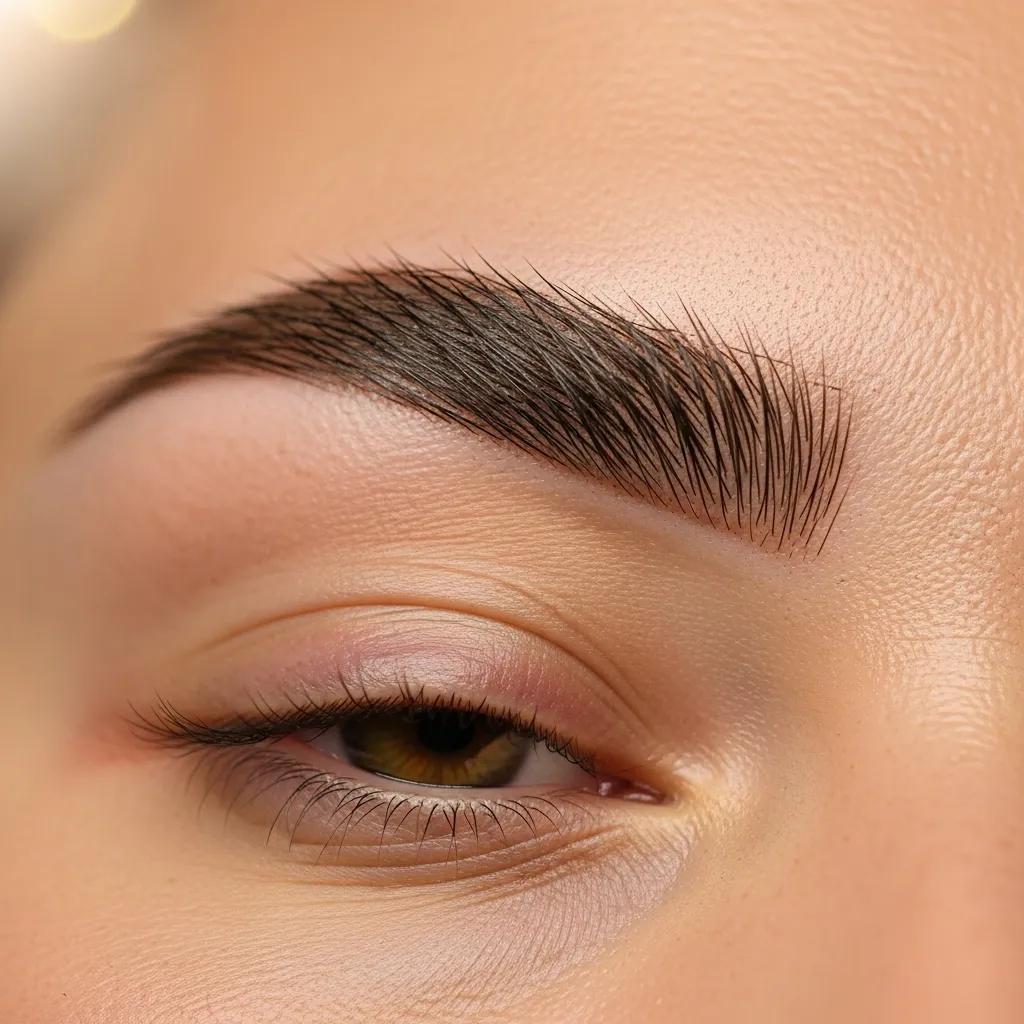
Microblading Healing: What to Expect Week by Week for Optimal Recovery
Key Takeaways
- Microblading healing spans roughly 4-6 weeks, involving distinct stages like initial darkness, scabbing, fading, and color stabilization.
- Proper aftercare, such as gentle cleansing, moisturizing, and avoiding irritants, is essential for optimal and safe recovery.
- Common healing symptoms like redness, swelling, and itching are normal but should be monitored closely to distinguish from infections.
- Patience during the ghosting phase (temporary pigment fading) helps avoid premature touch-ups and ensures best results.
- Understanding potential rare complications, including sarcoidosis reactions, aids in timely diagnosis and treatment if needed.
Microblading Procedure, Trends, and Biological Hazards
Microblading is emerging as one of the fastest growing beauty trends, appearing in tattoo shops, hair salons, and even in private home studios. The procedure uses a tool with single blade to penetrate the upper layer of the dermis and deposit semi-permanent pigments to mimic hair-like strokes. This study compares the risks of microblading to those in tattooing and analyzes the similarities in order to determine the biological hazards associated with microblading.
Biological hazards associated with microblading and evaluation of its infection control procedures and wound care, 2018
What Are the Key Stages of the Microblading Healing Process?
Micropigmentation: Definition and Aesthetic Uses
Micropigmentation, also known as tattooing, is the act of evenly implanting tiny, metabolically inert pigment granules into the dermis with the aid of manually or electrically propelled needles. It may be used to conceal scars and pigmentary issues or to imprint impressions and designs on healthy skin.
Microblading and Micropigmentation, 2025
What Happens During Days 1-3: Initial Darkness, Redness, and Swelling?
How Do Scabbing and Flaking Develop from Days 4-7?
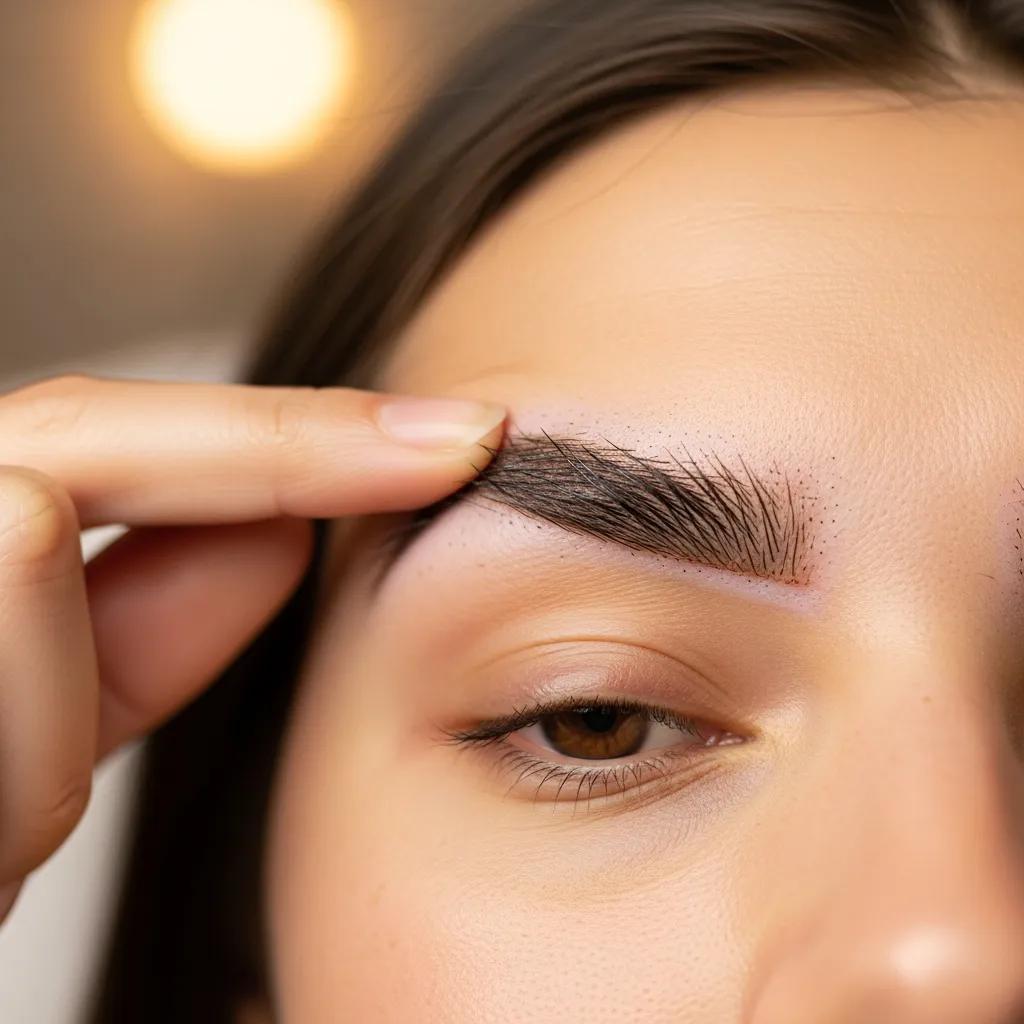
How Does the Microblading Recovery Timeline Progress from Week 2 to Week 6?
What Is the Ghosting Phase and Why Does Pigment Temporarily Fade?
When Does Color Return and Stabilize Between Weeks 3-6?
What Are Essential Microblading Aftercare Instructions for Successful Healing?
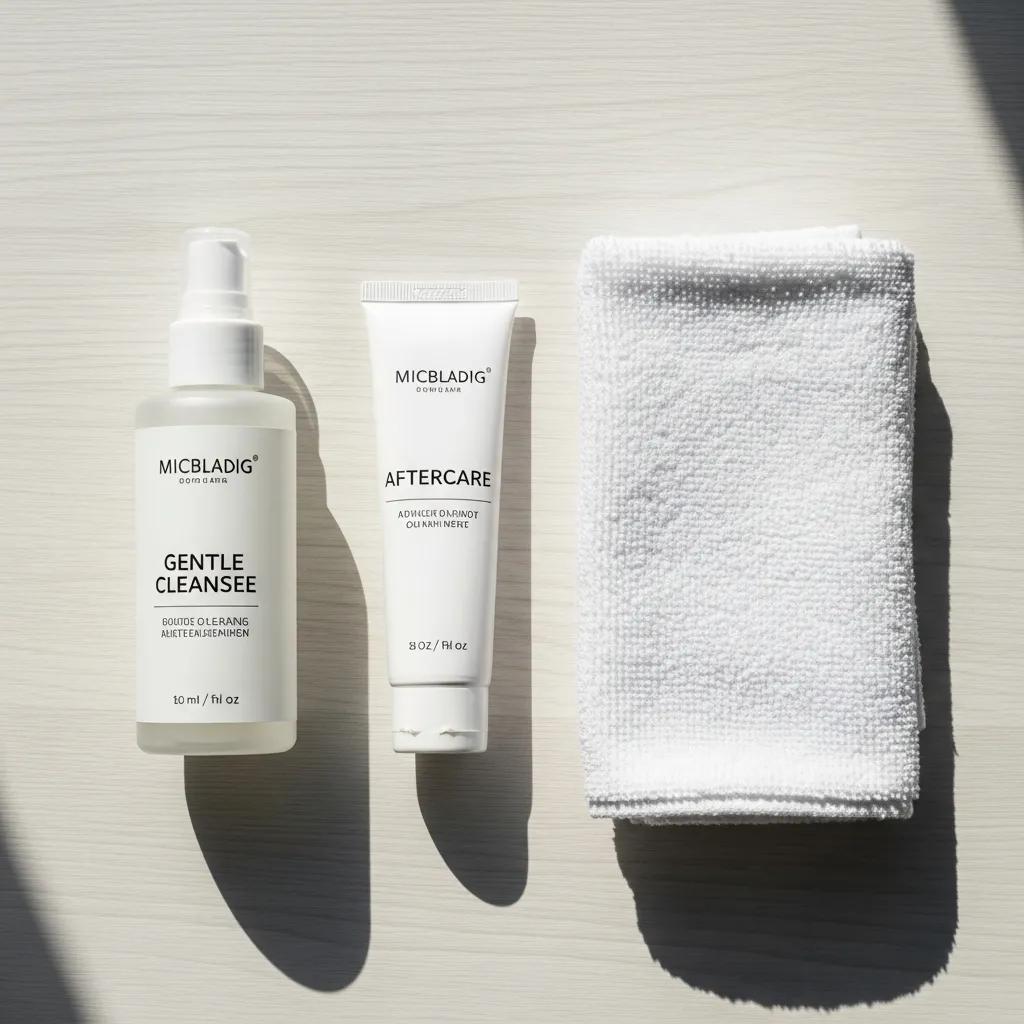
Which Immediate Post-Procedure Steps Should Clients Follow?
- Blotting Lymph Fluid: Use a clean tissue to gently blot excess lymph fluid to avoid crusting.
- Avoiding Water: Keep brows dry for the first 24-48 hours to reduce infection risk and support healing.
- Keeping Brows Clean: After drying, cleanse gently with mild soap and water—no scrubbing!
What Daily Care Practices and Products Support Optimal Healing?
- Gentle Cleansing: Use fragrance-free, mild cleansers to avoid irritation.
- Moisturizing: Apply recommended ointments sparingly to keep your skin hydrated.
- Avoiding Irritants: Skip makeup, heavy skincare products, and limit sun exposure on healing skin.
How Can Common Microblading Healing Concerns Be Managed Effectively?
Is Itching Normal and How Should It Be Handled?
How to Recognize Signs of Infection Versus Normal Healing?
Microblading Complications: Sarcoidosis Awareness for Physicians
Our two reports suggest that an esthetic procedure involving dermal or subcutaneous injection of foreign materials can trigger the development of cutaneous and systemic sarcoidosis. However, this relationship has not been described yet. Physicians should, therefore, be aware of this complication to properly evaluate and treat such patients in a timely manner.
Microblading reaction as a manifestation of systemic sarcoidosis: two case reports and a review of the literature, 2024