
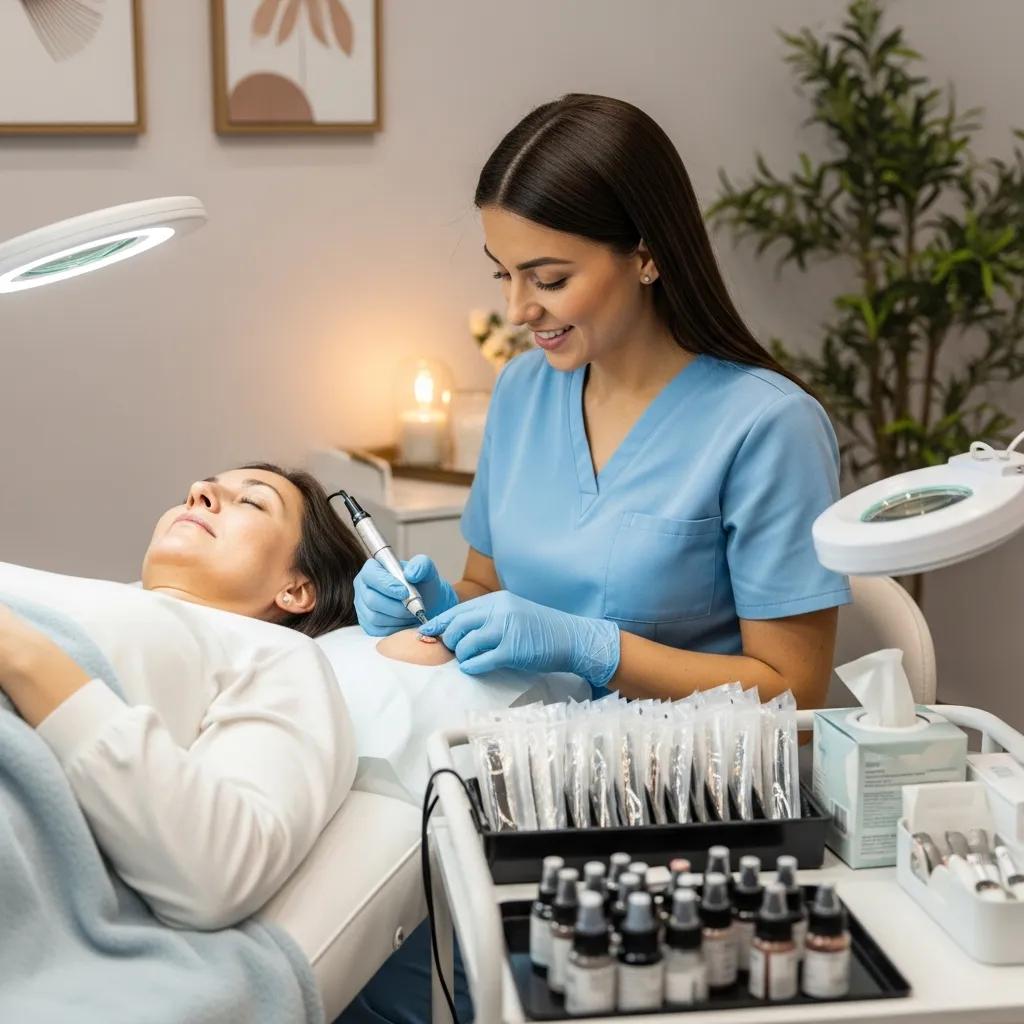
Selecting a Qualified Areola Pigmentation Specialist
Key Takeaways
- Areola pigmentation is a deeply personal procedure, often chosen by breast cancer survivors and individuals seeking aesthetic restoration or affirmation.
- Choosing a specialist with certified training, significant experience, especially in 3D nipple areola reconstruction, ensures realistic and satisfying results.
- Reviewing portfolios and testimonials helps gauge an artist's skill and compassionate approach.
- Open, honest communication about techniques, aftercare, healing, and costs is essential during consultation.
- Prioritize specialists who create a trusting and empathetic environment, supporting your emotional and physical well-being throughout your journey.
What Is Areola Pigmentation and Who Benefits from It?
What Does Areola Pigmentation Involve?
Nipple-Areola Reconstruction: Techniques, Patient Factors & Outcomes
The goal of this manuscript is to analyze and classify knowledge concerning NAR techniques and the factors that influence success, and then to elaborate a practical evidence-based algorithm. Out of the 3136 available articles as of August 8th, 2020, we selected 172 manuscripts that met inclusion criteria, which we subdivided into 5 main topics of discussion, being the various NAR techniques; patient factors (including patient selection, timing and ideal position); dressings; potential complications and finally, outcomes/patient satisfaction.
Guiding nipple-areola complex reconstruction: literature review and proposal of a new decision-making algorithm, G Paolini, 2021
Who Should Consider Areola Pigmentation?
Nipple & Areola Tattooing for Breast Cancer Survivors: Self-Image & Safety
Here we review various cosmetic treatment options including hair camouflage, eyebrow and eyelash camouflage, treatments for hirsutism, nipple and areola tattooing, post-mastectomy scar tattooing, treatments for dry skin/xerosis, removal of post-radiation telangiectasias, and lightening of post-radiation hyperpigmentation. For each patient concern, we report potential procedures, clinical evidence of impact on quality of life, special considerations, and safety concerns. This article aims to equip dermatologists with resources so that they may effectively counsel breast cancer survivors who express treatment-related cosmetic concerns.
Cosmetic considerations after breast cancer treatment, T Mallela, 2024
What Qualifications Should an Areola Tattoo Artist Have?
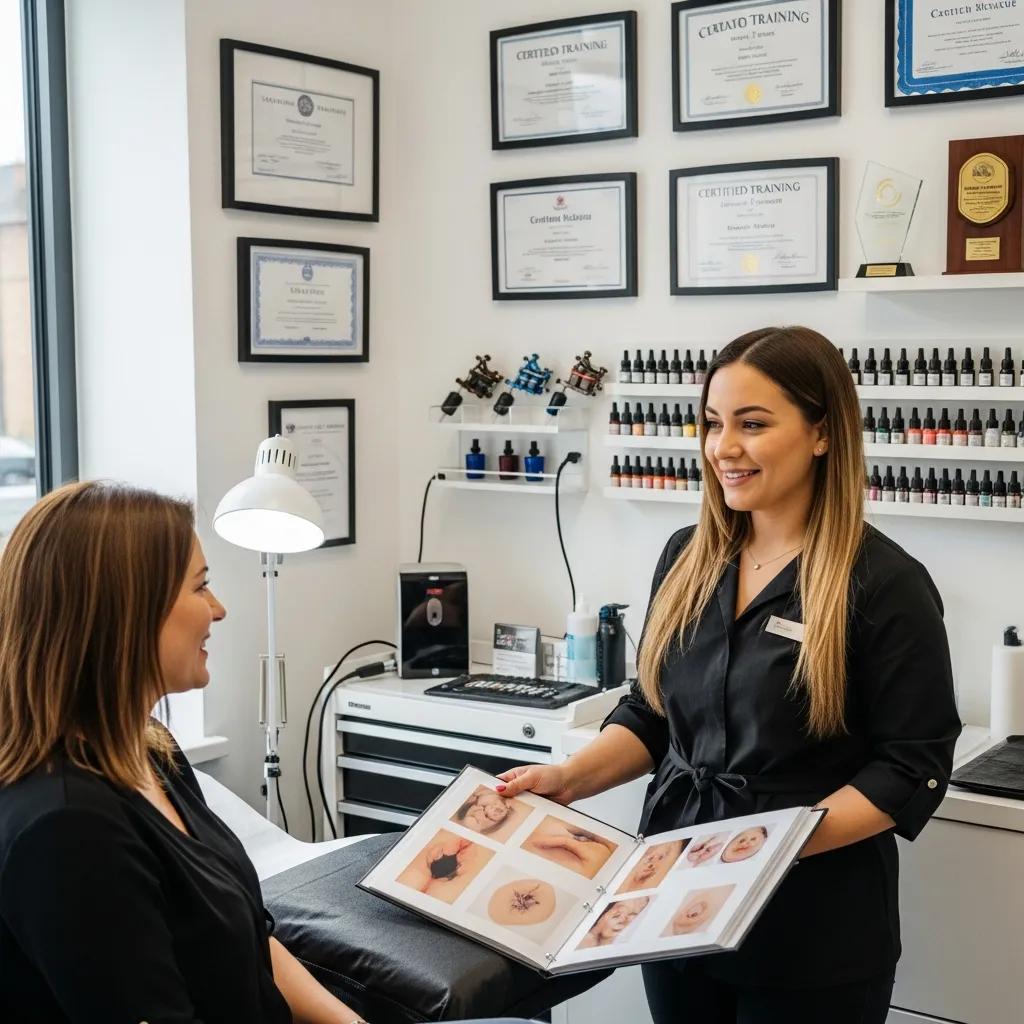
Which Specialized Training and Certifications Matter?
Why Is Experience with 3D Nipple Areola Reconstruction Important?
Areola Tattooing: Specialist Experience & Aesthetic Outcome
At the end of breast reconstruction, the creation of a natural-appearing areola is very important for patient satisfaction with the surgical result. The challenging aspects of achieving this include matching the color and texture as well as the size, shape, position, and projection of a normal areola, particularly in unilateral cases. The most common techniques that have been used to create a naturalistic nipple–areola complex have included skin grafting, tattooing, or a combination of both. Surgeons are finding that tattooing, the intradermal electric deposition of pigments, can be used to closely approximate natural areola pigmentation. Using the appropriate technique is essential as it is known that tattoo pigment fades over time and appears somewhat different after intradermal applied. Indeed, physicians’ experience and color selection greatly affect the aesthetic outcome.
Areola reconstruction: Principles and techniques, 2018
How to Evaluate a Paramedical Tattoo Specialist for Areola Pigmentation