
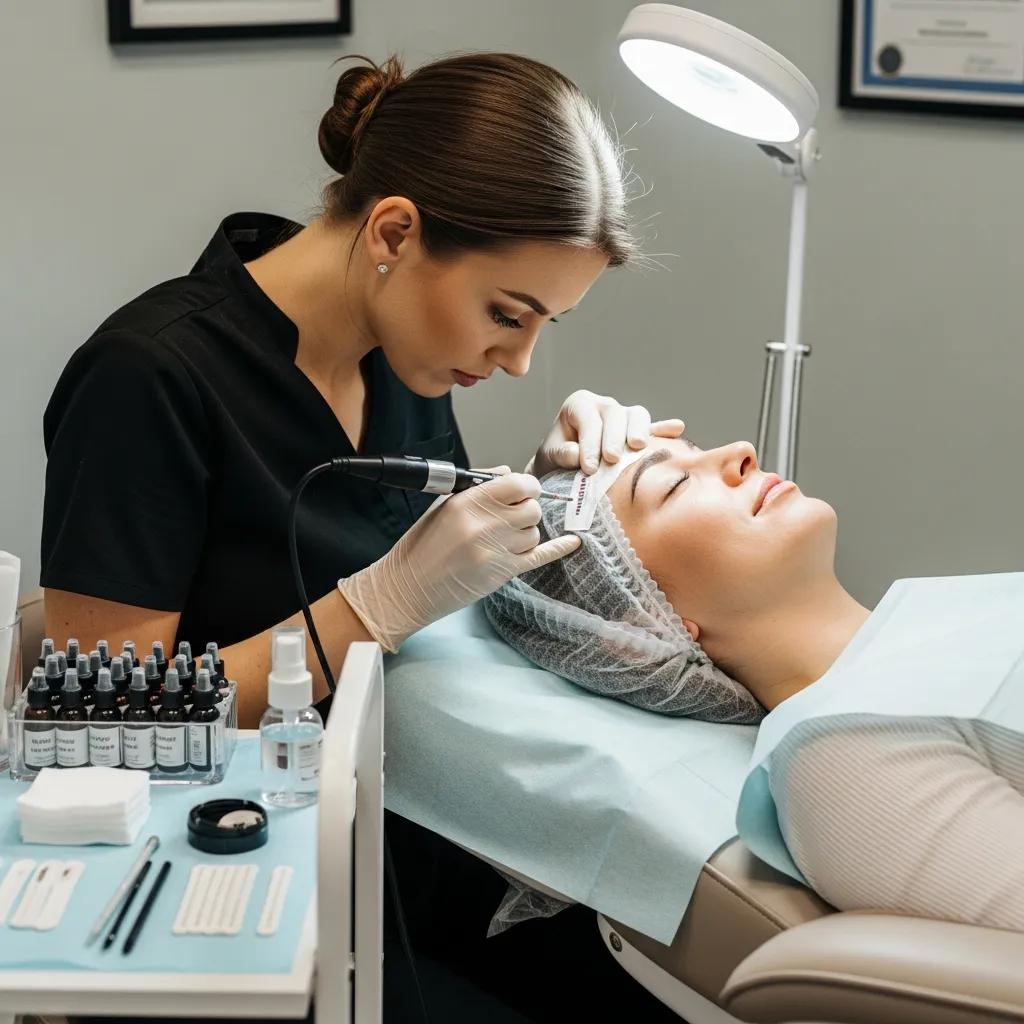
Pmu Artist Applying Permanent Makeup In A Professional Setting Highlighting Ethical Considerations

[Hero Image: Professional PMU artist consulting with a client in a clean, modern studio setting, showing consent forms and color swatches]

Ethical Considerations for PMU Artists & Clients: Ensuring Safety, Consent, and Professionalism

Ethical Considerations For Pmu Artists Amp Clients

Permanent makeup (PMU) isn’t just about looking good—it’s a mix of art, trust, and serious responsibility. Whether you’re the artist or the client, it’s essential to focus on safety, clear communication, and professionalism at every turn. Let’s dive into how these ethical must-haves create a smooth and rewarding PMU experience for everyone.

What Are the Essential Ethical Guidelines for PMU Artists?

At the core of PMU artistry are principles that make clients feel safe, respected, and valued. This means artists must hold themselves to high standards, always put client well-being first, and work within legal limits. The goal? Enhancing natural beauty without ever cutting corners on safety.

How Do PMU Artists Uphold Professionalism and Client Respect?

Being professional isn’t just about technique—it’s about truly hearing your client, understanding their desires, and creating a friendly, collaborative vibe. A PMU artist who takes the time to listen and adapt builds trust and makes the whole experience enjoyable and relaxing.

What Are the Responsibilities of PMU Artists Regarding Licensing and Training?

Committed PMU artists never stop learning. They complete accredited training programs and secure all necessary licenses before offering their services. Staying up-to-date with new methods and safety standards means they can provide top-quality care. Permanent Makeup by Rosie Wells is a great example, leading with expert training and rock-solid safety measures.

How Is Informed Consent Obtained and Why Is It Crucial in PMU?
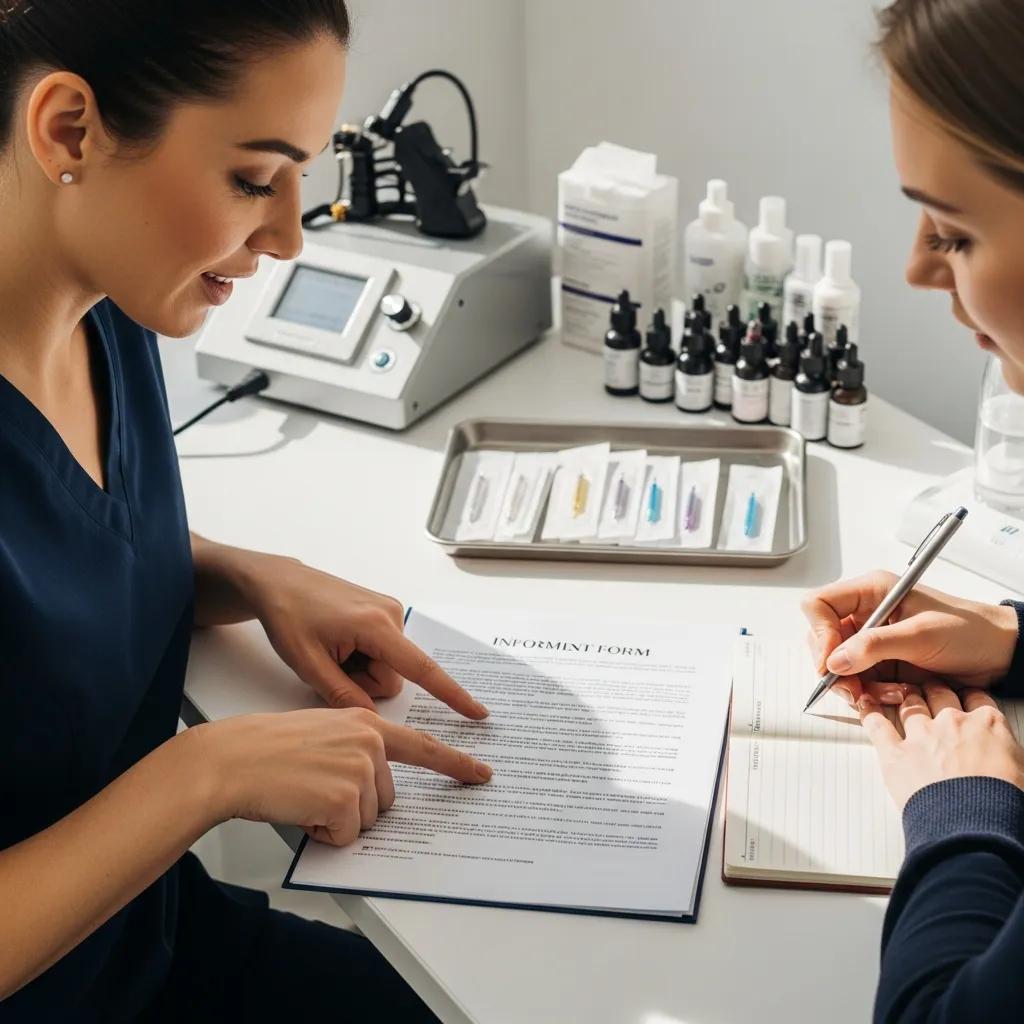
Pmu Artist Discussing Informed Consent With A Client Emphasizing The Importance Of Clear Communication

Think of informed consent as the foundation of a strong artist-client relationship. It means the client gets clear, detailed information about what the procedure involves, what risks might be involved, what results to expect, and how to care for their new look afterward. This knowledge lets clients decide confidently whether to proceed.

What Information Must Be Included in PMU Informed Consent Forms?

A good informed consent form spells out all the essentials: what will happen during the appointment, possible side effects, expected outcomes, and aftercare tips. This openness helps clients feel in control and respected throughout their PMU journey.

How Does Informed Consent Protect Both Clients and Artists?

For clients, informed consent reduces surprises and makes the whole process less stressful. For artists, it’s a documented agreement that protects them legally and shows they uphold professional standards. Research confirms how vital informed consent is in avoiding legal troubles and making sure clients truly understand aesthetic treatments.

Informed Consent in Aesthetic Procedures

This review aims to discuss the methods and challenges for obtaining and documenting informed consent and discuss examples of litigation related to informed consent in the field of dermatology.

Informed consent in dermatology: a narrative review, M Hewitt, 2023

What Are the Mandatory Hygiene and Safety Protocols in Permanent Makeup?
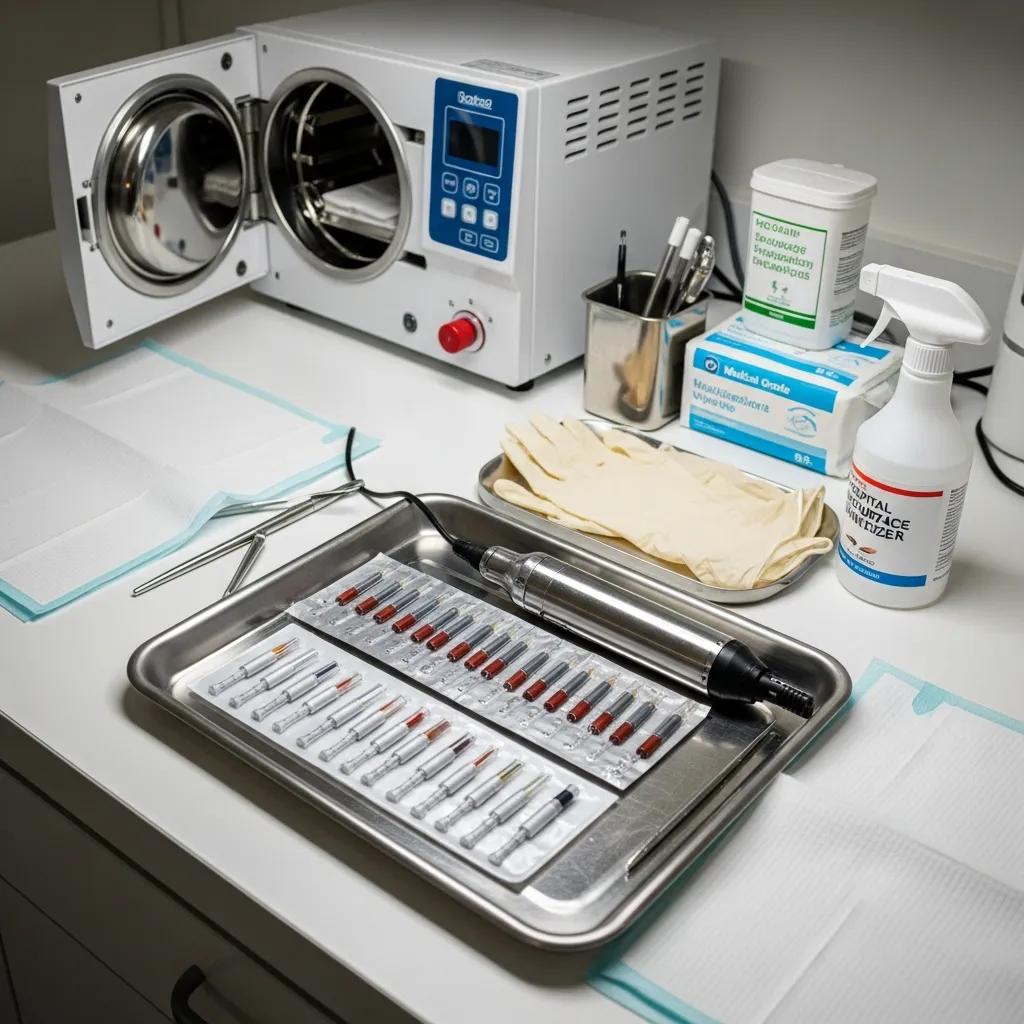
Sterilized Pmu Tools And Clean Workspace Highlighting Mandatory Hygiene And Safety Protocols

When it comes to PMU, hygiene isn’t optional—it’s a must. Using sterilized tools, maintaining a spotless workstation, and following strict infection-control steps keeps everyone safe and helps build trust.

Which Sterilization and Infection Control Measures Are Standard in PMU?

Common practices include autoclaving reusable tools (think high-pressure steam sterilization), using fresh, single-use needles for each client, and wiping down all surfaces regularly with disinfectants. These steps drastically cut down risks of any infections or cross-contamination.

How Do Hygiene Practices Minimize Risks of Complications?

Following these hygiene basics head-on prevents complications like infections or allergic reactions. Pair that with top-notch pigments, and clients get a safe treatment that leaves them happy. Studies back this up, showing serious health issues when sterilization slips.

Tattoo Infection Risks & PMU Safety

Our systematic review identified 67 cases published between 1984 and 2015, mainly documenting serious bacterial infectious complications after intradermal deposition of tattoo inks. Both local skin infections (e.g. abscesses, necrotizing fasciitis) and systemic infections (e.g. endocarditis, septic shock) were reported.

The risk of bacterial infection after tattooing: a systematic review of the literature, 2016

Hygiene PracticeDescriptionImportance
Autoclaving ToolsSterilizing tools using high-pressure steamPrevents infections
Single-Use NeedlesUsing new needles for each clientReduces cross-contamination
Surface DisinfectionRegularly cleaning work surfaces with disinfectantsEnsures a safe environment

Sticking to these hygiene habits builds a solid foundation of safety and confidence for clients and artists alike.

What Rights Do Clients Have During and After Permanent Makeup Procedures?

Clients should always feel heard and empowered. They have the right to clear info, to ask any questions without hesitation, and to say no or stop the procedure at any time. Knowing these rights helps create a true partnership between artist and client.

How Are Clients Educated About Aftercare and Realistic Expectations?

Artists make sure clients know exactly how to care for their new look and what changes to expect while healing. This honest conversation helps avoid surprises and sets everyone up for success.

What Legal Protections and Transparency Should Clients Expect?

Clients should expect full honesty about the process, costs, and any risks. They’re protected by laws covering informed consent and fair treatment, and artists are responsible for maintaining this trust. Upholding these standards keeps the PMU industry professional and dependable.

Frequently Asked Questions (FAQs)

Why is informed consent so important before a PMU procedure?

Informed consent ensures you understand exactly what the PMU procedure involves, any risks to watch for, and how to care for the results. It protects your rights and helps build trust between you and your artist, so you can feel confident moving forward.

What should I look for when choosing a PMU artist to ensure ethical practice?

Look for proper licensing, accredited training, and clear communication. A good artist will take time to answer your questions, discuss your goals, and follow strict hygiene practices. Don’t hesitate to ask about their protocols and experience.

How do PMU artists maintain hygiene and safety during sessions?

They sterilize all reusable tools using autoclaves, use single-use needles, disinfect their workspace regularly, and apply high-quality pigments. These steps minimize infection risks and protect your health throughout the procedure.

What rights do clients have during and after the PMU procedure?

Clients have the right to clear information, to ask questions, and to stop or decline treatment anytime. They also deserve honest advice about aftercare and realistic expectations to ensure the best healing and results.

How does ethical PMU practice benefit both clients and artists?

Ethical practice builds trust, minimizes risks, and ensures satisfaction. For clients, it means a safe, respectful experience. For artists, it means professional integrity, legal protection, and a strong reputation.

Key Takeaways

  • Safety first: Always prioritize hygiene and sterilization to protect client health.
  • Clear communication matters: Open dialogue builds trust and lets clients feel heard.
  • Informed consent is essential: It empowers clients and safeguards both parties.
  • Ongoing education is key: Artists should stay trained and certified to offer the best care.
  • Client rights are paramount: Respect their choices, questions, and the right to stop treatment at any time.
  • Transparency builds reputation: Honesty about procedures, risks, and pricing fosters trust and professionalism.

Conclusion

At its heart, permanent makeup is a beautiful blend of creativity and care that relies on trust, safety, and respect. For PMU artists, embracing ethical practices—from up-to-date training and licensing to strict hygiene and clear, honest communication—is the secret to crafting safe, satisfying client experiences every time. For clients, knowing your rights and understanding the full process empowers you to make confident, informed choices about your beauty journey. Together, when artists and clients commit to these ethical principles, they create an environment where stunning results and lasting trust go hand in hand. Let’s continue to raise the bar in permanent makeup, fostering a community built on integrity and excellence.

Permanent Makeup By Rosie Wells
Privacy Overview

This website uses cookies so that we can provide you with the best user experience possible. Cookie information is stored in your browser and performs functions such as recognising you when you return to our website and helping our team to understand which sections of the website you find most interesting and useful.