
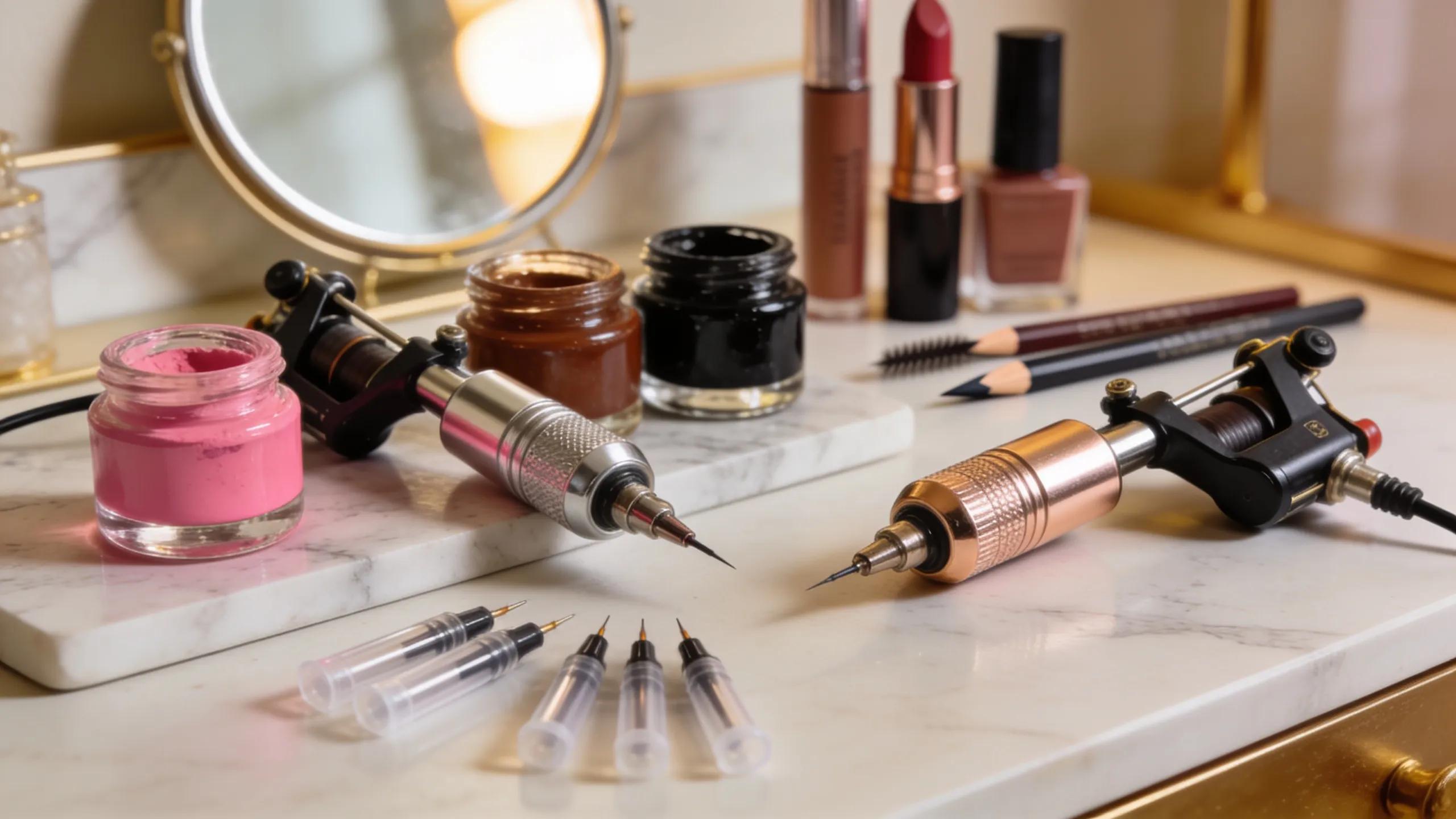
Permanent Makeup Tools Displayed On A Vanity Illustrating Beauty Techniques Tailored For Different Skin Types

Choosing the Right Permanent Makeup: Techniques for Every Skin Type Explained

By Rosie Wells, Permanent Makeup by Rosie Wells

Selecting the right permanent makeup technique is crucial for achieving desired aesthetic results tailored to individual skin types. Each skin type, whether oily, dry, or sensitive, reacts differently to various cosmetic tattooing methods, influencing the longevity and appearance of these enhancements. Throughout this article, you will learn about the unique considerations for each skin type, including the most suitable permanent makeup techniques. Common concerns such as healing differences, pigment properties, and recommended procedures will be covered. We will also discuss the importance of consultations, as the right guidance can significantly improve results.

It is important to understand the various types of micropigmentation available to make an informed decision for your unique skin type.

Permanent vs. Semipermanent Micropigmentation: Techniques and Safety

1. Application of micropigments (tattoo) for use as cosmetic enhancement is generally a safe procedure. Cosmetic uses include eyeliner, lip liner, eyebrow, cheek, and lip enhancement. Medical reasons for micropigment include re-pigmentation of hypopigmentation or vitiligo, adding nipple color after breast reconstruction, and camouflage treatments. Micropigmentation is becoming increasingly popular, especially since new semipermanent, natural-looking pigments have become available.2. Semipermanent pigments give the patient a sense control and allow for changes in style or trends. The semipermanent pigments generally last about 1–2 years and gradually fade whereas the permanent pigments are visible indefinitely.3. While many people have good results from cosmetic tattooing, the possibility of pigment misplacement, discoloration, scarring, infection, and eye injury should be considered. In cases of pigment misplacement, removal of semipermanent pigments typically requires topical lighteners for satisfactory removal, but permanent pigments require laser treatments for removal.Permanent and Semipermanent Micropigment Treatments, 2024

Oily Skin

Individuals with oily skin often face unique challenges when it comes to permanent makeup applications. Techniques that work well for oily skin need to account for excess sebum production, which can affect pigment retention and overall appearance. Typically, methods such as powder brows may be better suited for this skin type due to their ability to achieve a more matte finish compared to traditional microblading. Additionally, these techniques often require fewer touch-ups, as they can help minimize fading that tends to occur in oily skin.

Which Permanent Makeup Techniques Are Best for Oily Skin?
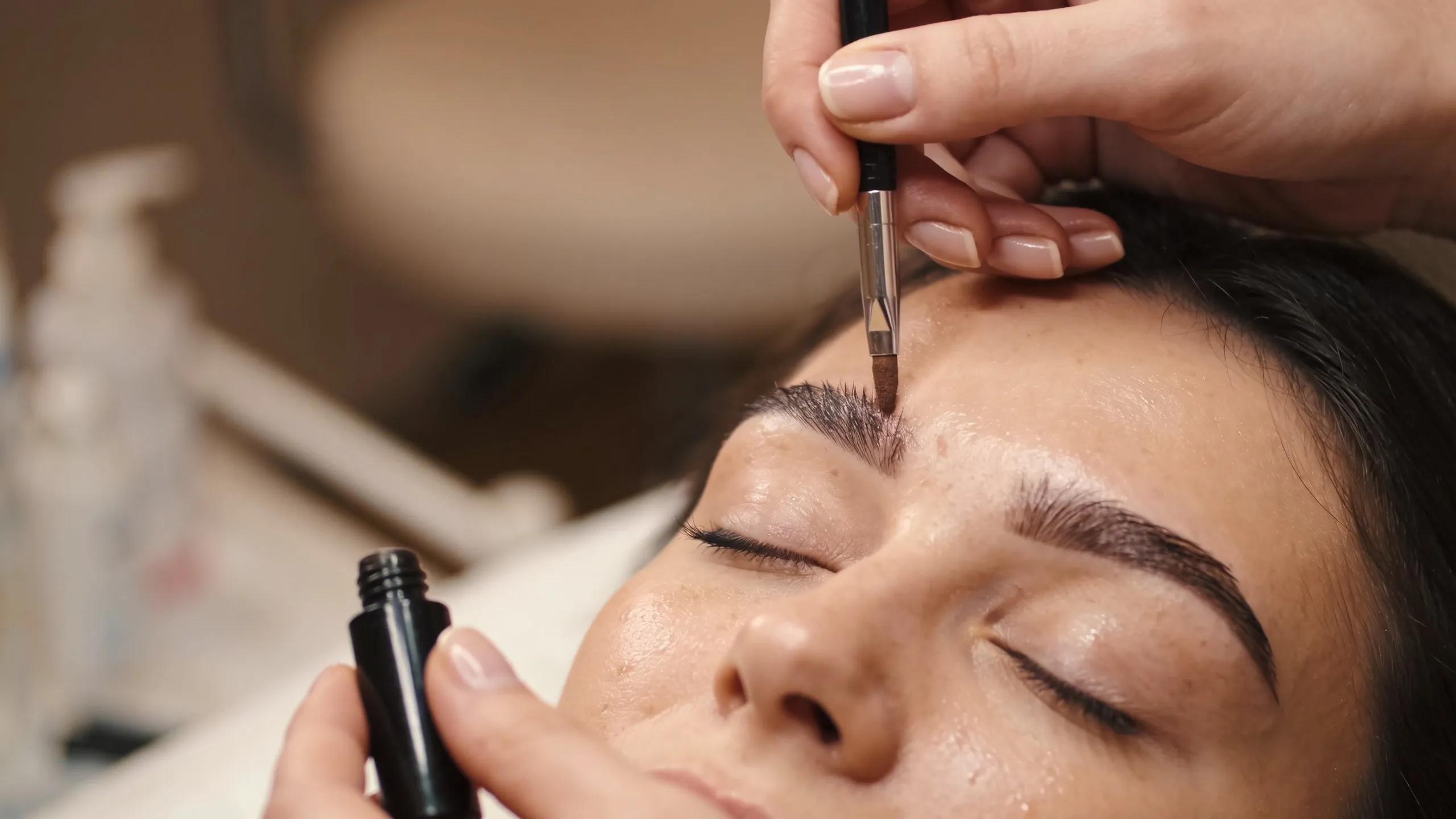
Women Receiving Powder Brow Application Focusing On Techniques Suitable For Oily Skin
  1. Powder Brows: This technique involves applying a soft, shaded effect that works well on oily skin, minimizing the risk of pigment fading.
  2. Ombre Brows: This method offers a gradient effect which can also control shine, making it preferable for those with oilier complexions.
  3. Combination Techniques: Mixing microblading and powder techniques can help achieve a more balanced look while addressing the unique needs of oily skin.

How Does Skin Type Affect Microblading Suitability?

Microblading may not be ideal for those with oily skin due to the increased sebum production that can cause the pigments to diffusely spread and not settle properly. It can lead to a compromised look as the microbladed strokes may blur or fade faster. Therefore, professionals often recommend clients with oily skin prioritize alternative techniques that focus on durability and a natural finish.

Dry Skin

For individuals with dry skin, it’s vital to choose permanent makeup techniques that not only enhance beauty but also cater to the hydration needs of the skin. Techniques such as microblading may require extra hydration steps but can yield stunning results. With careful pre-procedure hydration and post-care practices, microblading enhances the natural features without compromising skin health.

What Permanent Makeup Options Suit Dry Skin?
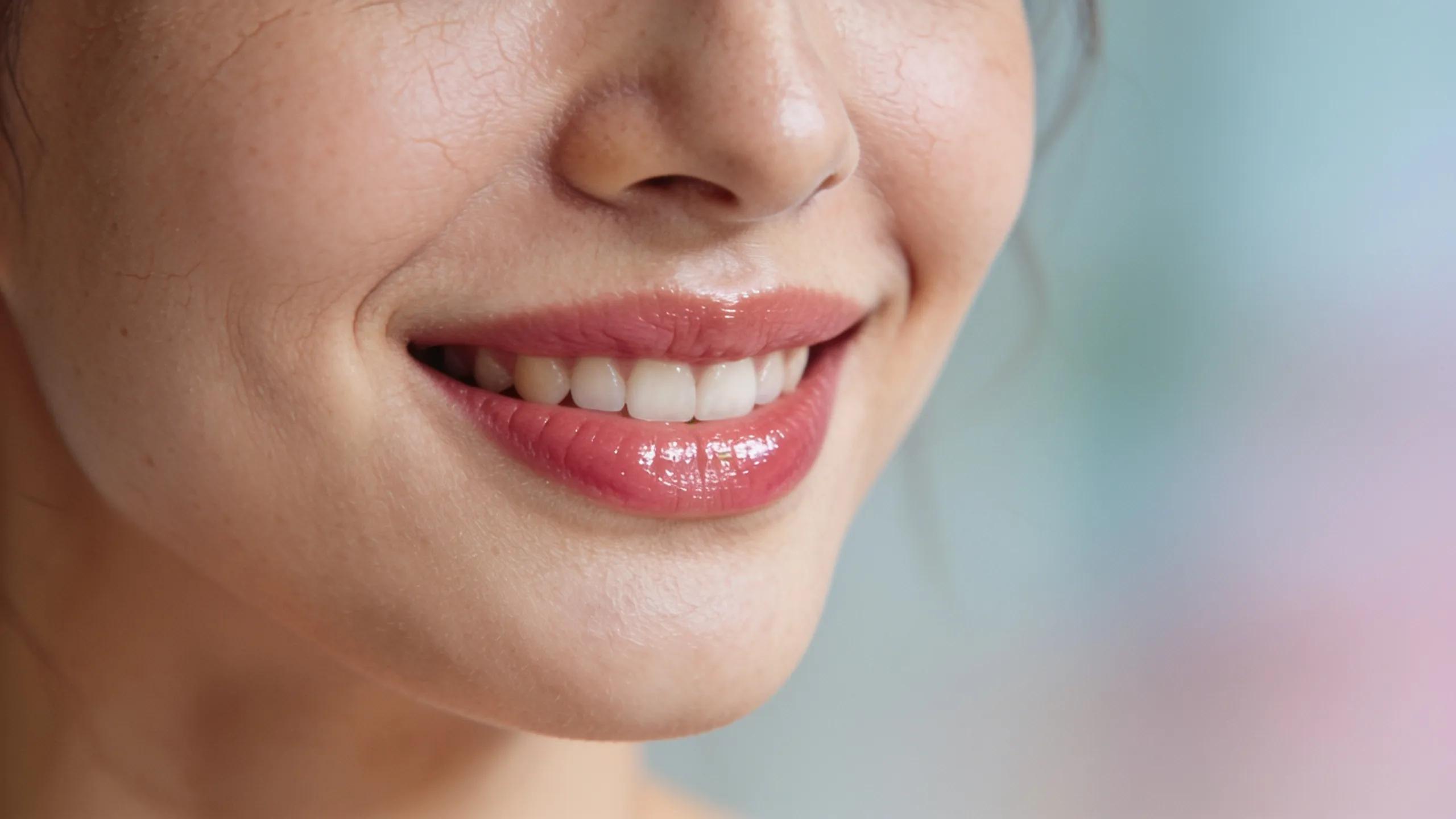
Woman Displaying Hydrated Lips After A Lip Blush Procedure Suitable For Dry Skin
  1. Microblading: Suitable for dry skin if proper care is taken. It creates fine, hair-like strokes for a natural look.
  2. Lip Blush: This technique can be customized to suit the undertones of dry skin, emphasizing hydration while providing a beautiful tint.
  3. Scar Camouflage: Safe techniques exist to effectively camouflage scars on dry skin through careful pigment placement.

How Is Lip Blush Customized for Dry Skin Undertones?

Lip blush techniques are tailored for individuals with dry skin by incorporating moisturizing agents within the pigment formulation and selecting colors that enhance natural lip tones. This approach ensures that lips appear fuller and more vibrant without causing further dryness during the healing process.

Sensitive Skin

Sensitive skin requires special attention when selecting permanent makeup techniques to avoid irritation and adverse reactions. Techniques should prioritize gentleness and may involve observing strict aftercare protocols to ensure healing goes smoothly.

What Permanent Makeup Options Suit Sensitive Skin?

  1. Gentle Microblading: When performed by a skilled technician, gentle methods can be effective and safe, given thorough pre- and post-care, such as using numbing agents.
  2. Soft Ombre Brows: This technique utilizes softer pigments and is less likely to irritate sensitive skin.
  3. Scar Camouflage Techniques: Carefully chosen methods that minimize trauma to the skin ensure healing and effective results.

Which Scar Camouflage Methods Are Safe for Sensitive Skin?

Successful scar camouflage methods for sensitive skin often involve less invasive techniques that minimize trauma. Using specific pigments matching skin tones can effectively disguise scars without causing additional irritation. Consulting a certified professional is especially valuable for individuals with sensitive skin who wish to pursue scar camouflage.

Factors Influencing Technique Selection

Several factors influence the choice of permanent makeup techniques based on skin type. Understanding these can help clients make informed decisions regarding their enhancements.

  1. Skin Type: Oily, dry, or sensitive skin presents different challenges and opportunities for technique selection.
  2. Desired Aesthetic Outcomes: Clients should clearly define their desired look to guide the appropriate technique choice.
  3. Lifestyle Impacts: Factors such as exposure to humidity, sun, and skin care routines should also be considered when selecting a technique.

For those looking for tailored advice on which techniques suit their skin type best, booking a personalized consultation can provide beneficial insights.

When and How to Book a Personalized Permanent Makeup Consultation?

Scheduling a personalized consultation is essential for understanding your specific skin type and determining suitable techniques. Here’s how to ensure a successful consultation experience:

  1. Research Providers: Look for professionals specializing in skin type assessments and permanent makeup.
  2. Prepare Questions: Write down questions regarding techniques, expected outcomes, and aftercare.
  3. Ask about Procedures: Inquire about the consultation process – a virtual skin analysis can also help in evaluating skin characteristics remotely.

What Does a Virtual Skin Analysis Involve?

A virtual skin analysis typically involves discussing your skin concerns through video consultations, where experts can assess your skin’s characteristics without an in-person visit. This approach may utilize specialized tools to analyze skin type and suggest suitable permanent makeup strategies based on your unique needs.

How Does Consultation Improve Procedure Outcomes by Skin Type?

Personalized consultations allow for tailored recommendations specific to each individual’s skin type, addressing factors such as pigment longevity and healing. During consultations, skin assessments can clarify the best application techniques, enhancing the outcome of permanent makeup procedures.

Potential Outcomes

Understanding the potential outcomes of permanent makeup based on skin type is critical for setting realistic expectations. For instance, oily skin may require more frequent touch-ups, while dry skin might be more susceptible to pigment fading if hydration is not adequately maintained. Overall, thorough consultations ensure clients are well-informed about these outcomes.

Healing Differences for Various Skin Types

Healing times can vary according to skin type, with oily skin often taking longer to heal due to excess sebum, while sensitive skin may require additional care to prevent irritation. Clients can expect different timelines for pigmentation settling, generally ranging from a few days to several weeks depending on the skin’s responses.

How Do Pigment Properties Influence Technique Choice?

The properties of pigments play a vital role in technique selection. Certain pigments may be more suitable for specific skin types, impacting both healing and the vibrancy of the final look. For instance, pigments designed with a higher opacity might work better for oily skin. Consideration of these properties ensures more satisfactory outcomes for clients.

Permanent Makeup By Rosie Wells
Privacy Overview

This website uses cookies so that we can provide you with the best user experience possible. Cookie information is stored in your browser and performs functions such as recognising you when you return to our website and helping our team to understand which sections of the website you find most interesting and useful.