
Choosing a Permanent Makeup Artist: What to Look For
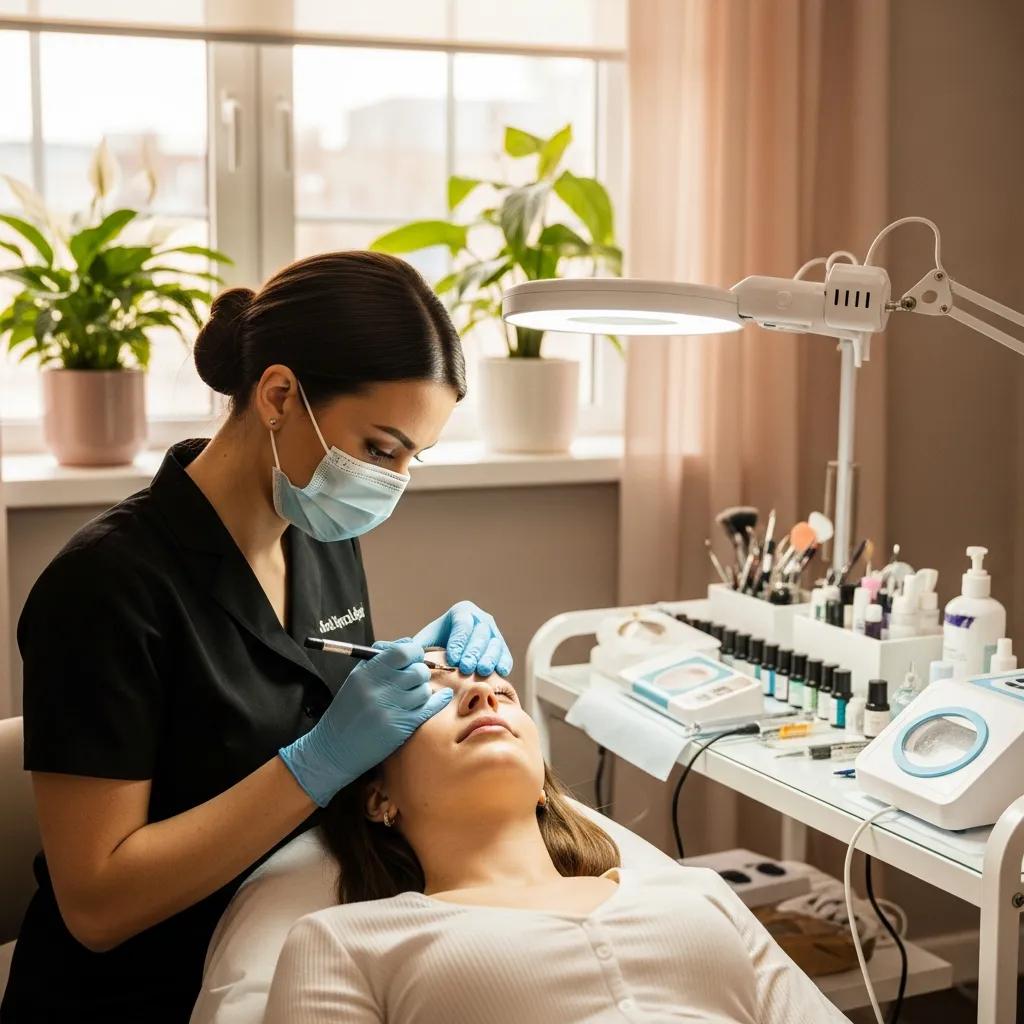
How to Choose a Permanent Makeup Artist: Essential Criteria and Expert Guidance
What Qualifications Should a Permanent Makeup Artist Have?
Which Certifications and Licenses Are Important for PMU Artists?
- State Licensing: Most states require artists to be licensed to perform permanent makeup procedures, often under cosmetology, esthetician, or tattooing regulations, ensuring they meet local health and safety requirements.
- Bloodborne Pathogen Certification: This certification demonstrates that the artist understands how to prevent the transmission of infectious diseases during procedures.
- Specialized Training: Many artists pursue additional training in specific techniques, such as microblading or lip blush, which can enhance their skill set.
Why Is Bloodborne Pathogen Training Crucial for Safety?
- Understanding Bloodborne Pathogens: Artists learn about various pathogens that can be transmitted through blood, including HIV, Hepatitis B, and Hepatitis C.
- Infection Control Protocols: Proper techniques for sterilization and the use of disposable tools are emphasized to protect both the artist and the client.
- Client Safety: By adhering to these protocols, artists can significantly reduce the risk of complications, ensuring a safer experience for their clients.
Microblading Safety: Infection Control & Regulatory Practices
Microblading is emerging as one of the fastest growing beauty trends, appearing in tattoo shops, hair salons, and even in private home studios. The procedure uses a tool with single blade to penetrate the upper layer of the dermis and deposit semi-permanent pigments to mimic hair-like strokes. This study compares the risks of microblading to those in tattooing and analyzes the similarities in order to determine the biological hazards associated with microblading. Currently, there is a lack of knowledge on microblading practices specifically, and the purpose of this study was to evaluate the level of infection control knowledge and practices in place, as well as the attitudes towards regulations in British Columbia.
Biological hazards associated with microblading and evaluation of its infection control procedures and wound care, 2018
How to Evaluate a Permanent Makeup Artist’s Portfolio and Experience?
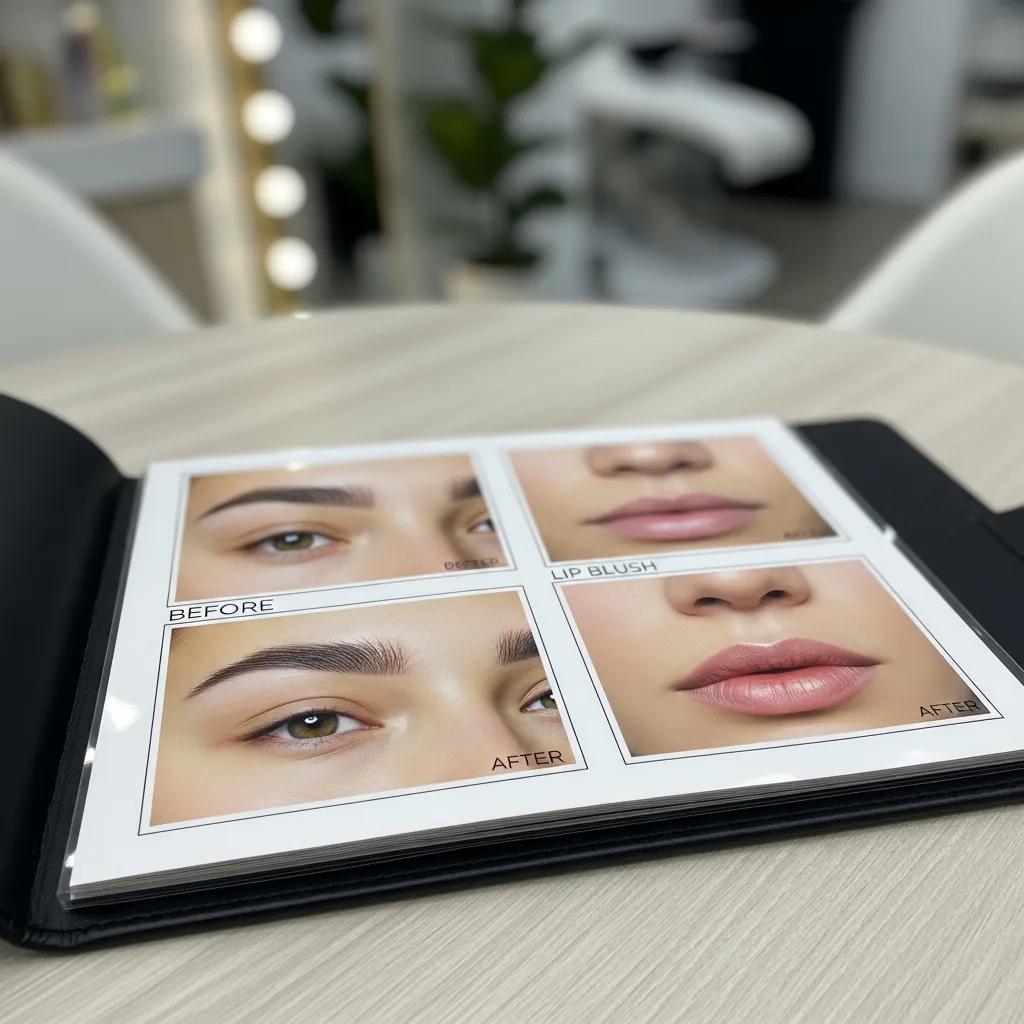
What to Look for in Before and After Permanent Makeup Photos?
- Quality of Photos: High-resolution images that clearly show the details of the work are essential for assessing the artist's skill.
- Diversity of Styles: A good artist should demonstrate versatility in their work, showcasing different styles and techniques that cater to various client preferences.
- Consistency: Look for consistent results across multiple clients, indicating a reliable level of skill and expertise.
How Does Artist Specialization Impact Your Results?
- Microblading: Ideal for creating natural-looking eyebrows.
- Lip Blush: Enhances the color and shape of the lips.
- Eyeliner Tattooing: Provides a defined look without the need for daily application.
Advanced Training for Permanent Makeup Quality & Safety
Pigment migration is a key issue in performing permanent eyebrows, leading to aesthetic discrepancies and a decline in customer satisfaction. The development and implementation of effective methods for preventing this phenomenon is essential for improving the quality and safety of cosmetology services. Modern, innovative techniques, particularly Silk Touch, demonstrate high potential in minimizing the risk of internal pigment migration due to their delicate effect on the skin and controlled pigment application. Thearticle aimsto analyze the effectiveness of the Silk Touch technique for preventing pigment migration and improving the quality of the permanent eyebrows procedure.
Introducing the innovative Silk Touch technique into the training of permanent makeup artists, 2025
What Safety and Hygiene Practices Should a PMU Studio Follow?
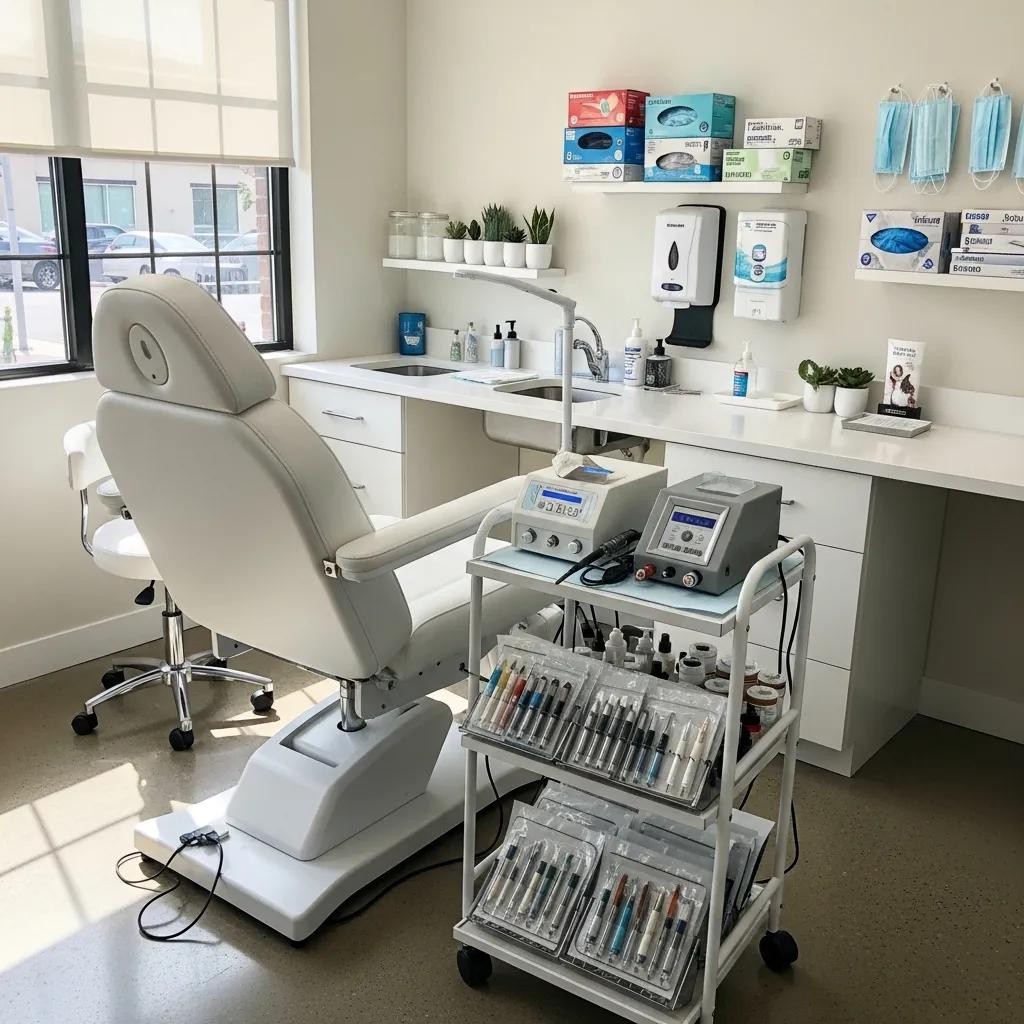
How Are Sterilization and Disposable Tools Used to Ensure Client Safety?
- Sterilization Methods: All reusable tools should be properly sterilized using autoclaves or other approved methods to eliminate any potential pathogens.
- Use of Disposable Tools: Single-use items, such as needles and applicators, should be used to prevent cross-contamination.
- Regular Cleaning: The studio should maintain a clean and organized workspace, with regular cleaning schedules in place.
Biosecurity & Sterilization in Tattoo & Beauty Centers
Objective: to know the physical structure, process of sterilization and disposal of materials in beautification centers. Method: this is a quantitative, descriptive, survey-type study in 269 beautification centers, 257 beauty salons and 12 tattoo studios and body piercing. The physical structure, process of sterilization and disposal of materials used by manicures / pedicures and tattoo artists and piercers were observed. Results: it was observed that 33.7% of the services had a sink close to the place of care, it was evidenced that 34.8% and 43.3% did not have liquid soap and alcohol for hand hygiene; 80% did not have a sink location for cleaning articles; the autoclave was the least used equipment for instrument sterilization. 91.9% of the centers did not validate sterilization by using the biological indicator.
BIOSECURITY IN BEAUTY CENTERS: MATERIAL STRUCTURE AND PROCESSING., 2019
What Studio Cleanliness Standards Indicate a Professional Environment?
- Visible Cleanliness: The studio should appear tidy and well-maintained, with no clutter or debris.
- Hygiene Supplies: Availability of hand sanitizers, gloves, and masks for both the artist and clients.
- Clear Protocols: The artist should be able to explain their hygiene practices and how they ensure a safe environment.
Which Questions Should You Ask During a Permanent Makeup Consultation?
How to Set Realistic Expectations for Your Permanent Makeup Results?
- Expected Results: What can you realistically expect from the procedure?
- Healing Process: How long will it take for the results to fully develop?
- Longevity: How long will the results last, and what factors can affect this?
What Aftercare Instructions and Follow-Up Should Be Discussed?
- Aftercare Steps: What specific care should you follow post-procedure?
- Follow-Up Appointments: Will you need to return for touch-ups, and when should this occur?
- Signs of Complications: What should you watch for that may indicate a problem?
| Qualification | Importance | Description |
|---|---|---|
| State Licensing | Legal Requirement | Ensures compliance with local regulations for safety and hygiene. |
| Bloodborne Pathogen Certification | Safety Assurance | Trains artists in infection control and safe practices. |
| Specialized Training | Skill Enhancement | Provides advanced techniques for specific services like microblading. |
Recent Comments