
Best Aftercare Products for Permanent Makeup
Best Aftercare Products for Permanent Makeup: Essential Healing and Care Guide
What Are the Top Aftercare Products for Permanent Makeup Healing?
Which creams and balms promote optimal pigment retention?
What key ingredients should you look for in aftercare products?
- Vitamin E: Known for its antioxidant properties, Vitamin E helps to nourish the skin and promote healing.
- Shea Butter: This natural moisturizer provides hydration and helps to soothe irritated skin.
- Arnica Montana Extract: Often used for its anti-inflammatory properties, Arnica can help reduce swelling and bruising.
Dexpanthenol for Post-Procedure Wound Healing
We review the published evidence of the usefulness of topical dexpanthenol in postprocedure wound healing and the associated mechanisms of action, either alone or in combination with other ingredients.
Dexpanthenol in wound healing after medical and cosmetic interventions (postprocedure wound healing), L Zhang, 2020
How to Choose the Right Aftercare Products for Specific PMU Procedures?
What aftercare products are best for Microblading and eyebrow tattoos?
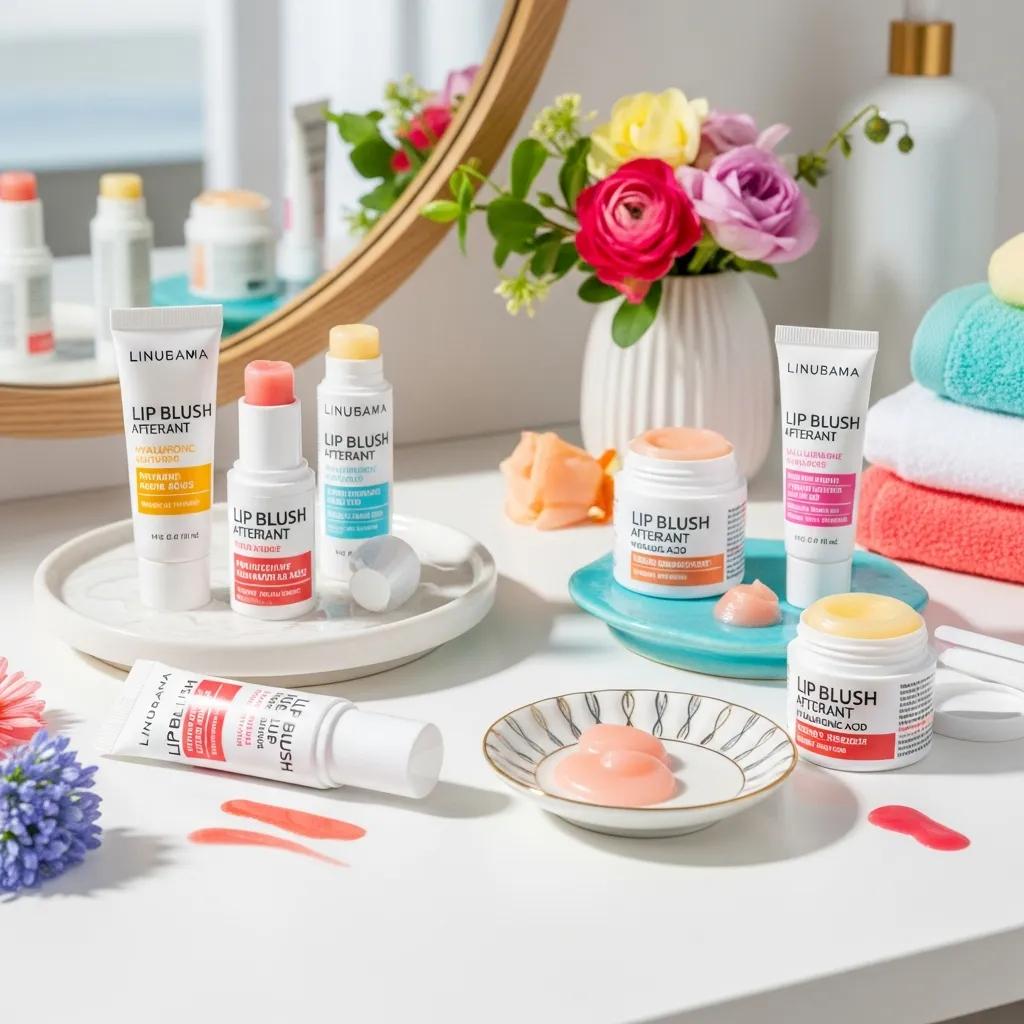
Which ointments support healing for Lip Blush procedures?
Honey & Hyaluronic Acid for Skin Barrier in PMU Aftercare
In this context, honey stands out as a cosmetic ingredient due to its complex composition, rich in sugars, amino acids, proteins, organic acids, vitamins, minerals, and phytoconstituents. This set of substances gives honey humectant, moisturizing, antioxidant, and immunomodulatory properties, enhancing water retention by the stratum corneum and supporting the integrity of the skin barrier.
Durable moisturizing herbal lip balm with honey, hyaluronic acid, and
SPF, H Fadhullah, 2019
What Are the Do's and Don'ts When Using Cosmetic Tattoo Healing Products?
How to properly apply aftercare creams and balms for best results?
- Clean the area gently: Use a mild, fragrance-free cleanser to remove any impurities before applying aftercare products.
- Apply a thin layer: Use a small amount of cream or balm, spreading it evenly over the treated area without over-saturating it.
- Frequency: Reapply the product as recommended, typically 2-3 times a day, to maintain moisture and support healing.
What activities and products should be avoided during PMU healing?
- Avoid direct sunlight: Exposure to UV rays can fade the pigment and irritate the skin.
- No swimming: Pools, hot tubs, and oceans can introduce bacteria and irritate the healing skin.
- Skip harsh skincare products: Avoid using exfoliants or products containing alcohol, as they can dry out the skin and hinder healing.
How Can You Troubleshoot Common Issues with Permanent Makeup Aftercare?
What signs indicate infection or poor healing after PMU?
- Increased redness or swelling: While some redness is normal, excessive swelling may indicate an infection.
- Pus or discharge: Any unusual discharge from the treated area should be addressed immediately.
- Fever or chills: These symptoms may indicate a systemic infection and require prompt medical attention.
How to address uneven pigment or prolonged redness during healing?
- Consult your technician: Reach out to your permanent makeup artist for advice on how to address these issues.
- Avoid picking or scratching: This can worsen the problem and lead to scarring or further pigment loss.
- Use soothing products: Applying a gentle, hydrating balm can help calm the skin and promote even healing.
| Product | Key Ingredients | Benefits |
|---|---|---|
| Tattoo Goo | Natural oils and vitamins | Promotes healing and pigment retention |
| Hyaluronic Acid Balm | Hyaluronic Acid | Hydrates and soothes the skin |
| Aquaphor | Petrolatum | Protects and moisturizes the lips |
Recent Comments