
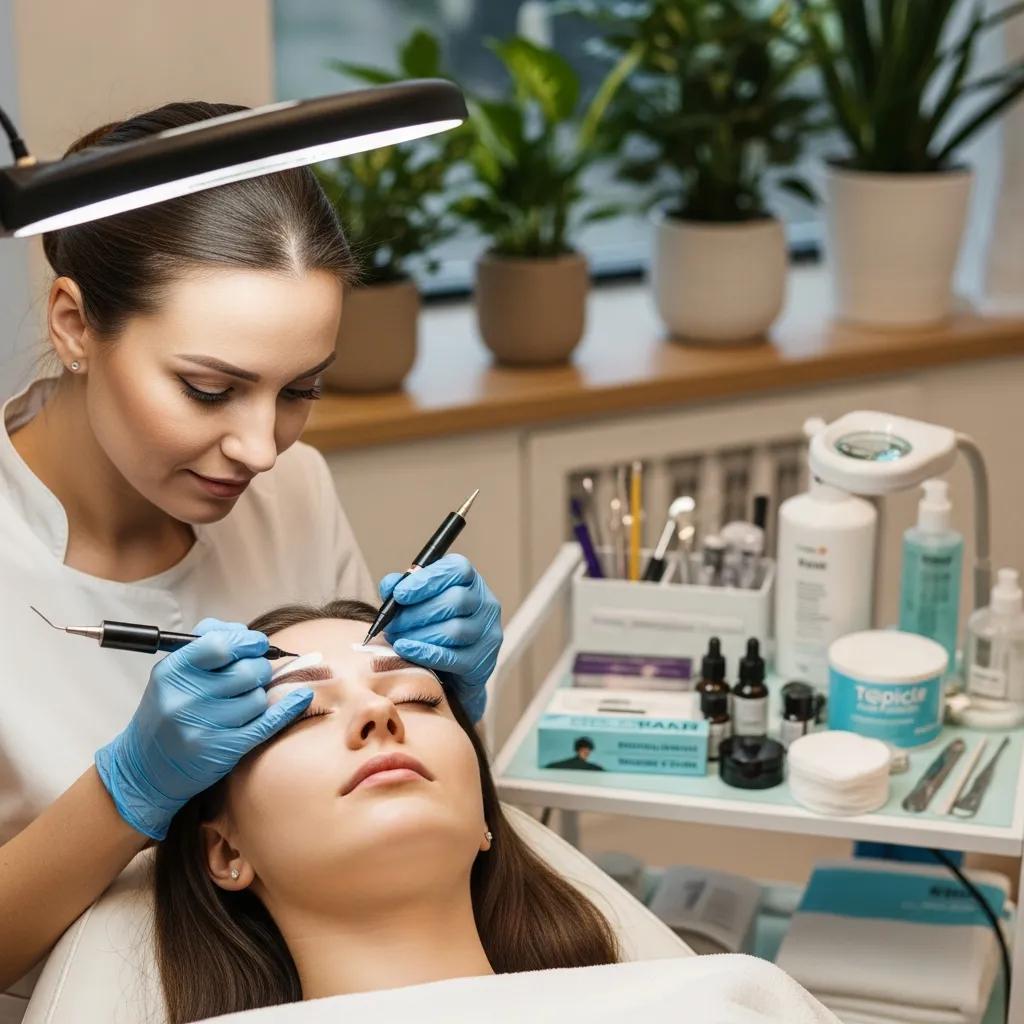
Avoid These PMU Aftercare Mistakes: Essential Tips for Successful Permanent Makeup Healing
What Are the Most Common PMU Healing Mistakes to Avoid?
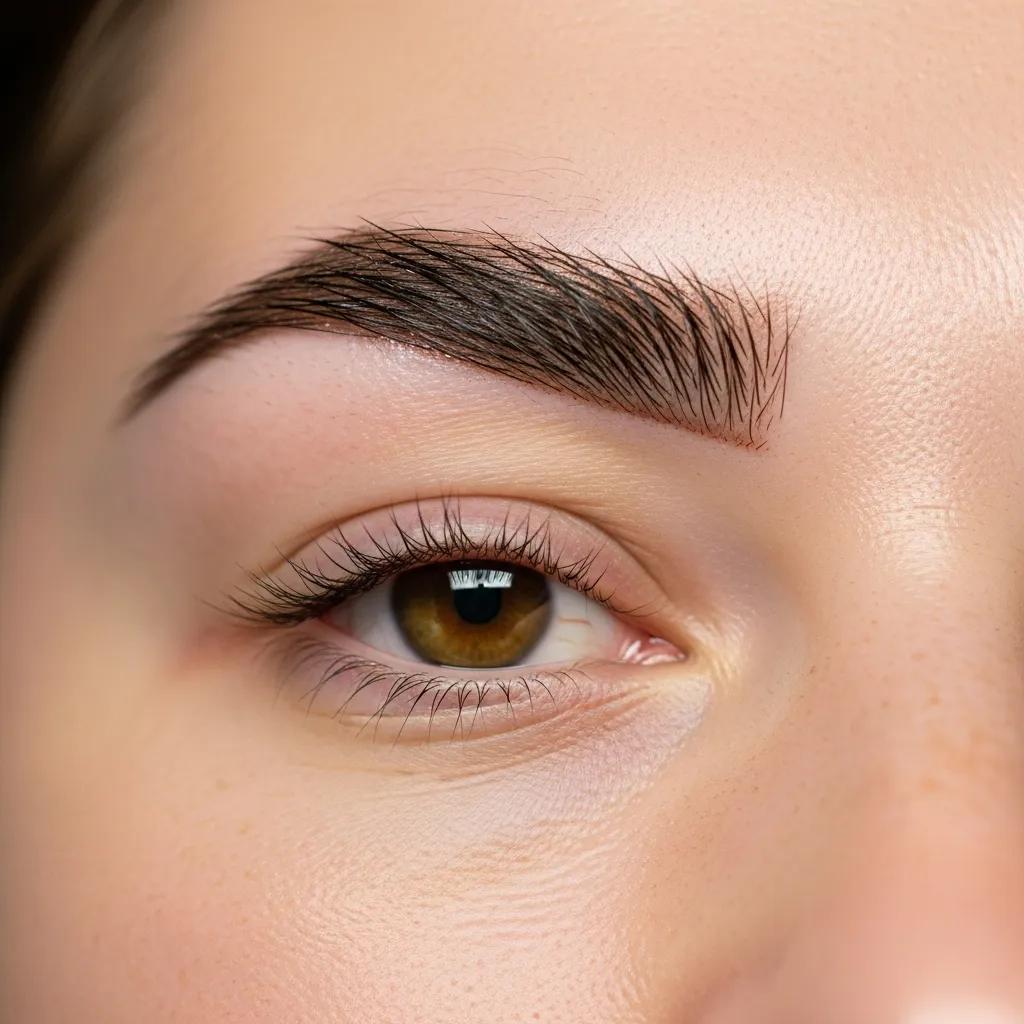
- Ignoring Aftercare Instructions: Following the specific aftercare instructions provided by your technician is crucial. Neglecting these guidelines can lead to complications and suboptimal healing.
- Picking or Scratching the Treated Area: This can introduce bacteria and lead to infections, which can severely impact the healing process and final results.
- Excessive Water Exposure: Prolonged or frequent exposure to water, especially soaking, can affect pigment retention and lead to uneven healing.
Why Should You Never Pick or Scratch the Treated Area?
- Risk of Infection: Disrupting the healing skin can introduce bacteria, increasing the likelihood of infection.
- Impact on Healing: Scratching can cause scabbing, which may result in uneven healing and loss of pigment.
- Long-term Effects on Results: Compromised healing can lead to faded or patchy results, necessitating touch-ups or corrections.
Microblading Risks: Infection Control & Wound Care
Background: Microblading is emerging as one of the fastest growing beauty trends, appearing in tattoo shops, hair salons, and even in private home studios. The procedure uses a tool with single blade to penetrate the upper layer of the dermis and deposit semi-permanent pigments to mimic hair-like strokes. This study compares the risks of microblading to those in tattooing and analyzes the similarities in order to determine the biological hazards associated with microblading. Currently, there is a lack of knowledge on microblading practices specifically, and the purpose of this study was to evaluate the level of infection control knowledge and practices in place, as well as the attitudes towards regulations in British Columbia.
Biological hazards associated with microblading and evaluation of its infection control procedures and wound care, 2018
How Does Excessive Water Exposure Affect Permanent Makeup Healing?
- Effects on Pigment Retention: Water can cause premature pigment fading if the treated area is soaked or exposed to excessive moisture.
- Recommended Cleansing Methods: Use a gentle, non-abrasive cleanser and avoid soaking the treated area.
- Timing for Water Exposure: It is advisable to keep the area dry or avoid soaking for at least 7-10 days post-procedure to ensure optimal healing.
Which Aftercare Errors Cause Pigment Fading and Uneven Results?
- Inadequate Sun Protection: Exposure to UV rays can cause significant fading of the pigment, making sun protection essential.
- Using Harsh Skincare Products: Certain ingredients can irritate healing skin and affect pigment retention.
- Neglecting Moisturization: Keeping the area moisturized is crucial for preventing scabbing and promoting even healing.
How Does Sun Exposure Impact PMU Pigment Retention?
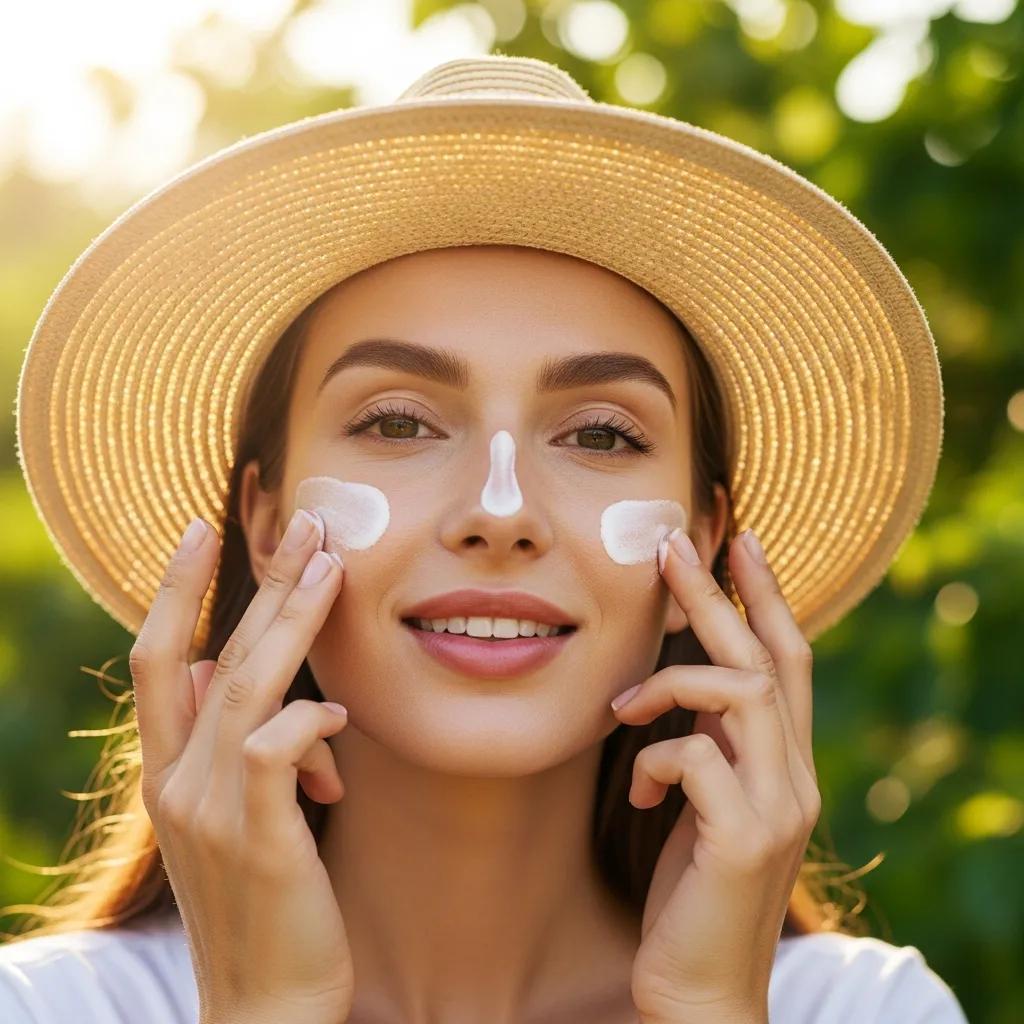
- UV Damage Effects: UV rays can break down the pigment, leading to premature fading.
- Importance of SPF: Using a broad-spectrum sunscreen can help protect the treated area from harmful rays.
- Protective Measures: Wearing hats or seeking shade can further minimize sun exposure during the healing phase.
What Skincare Products Should Be Avoided During PMU Healing?
- Exfoliants: Products containing alpha or beta hydroxy acids can disrupt the healing process.
- Retinoids: These can cause irritation and should be avoided until the skin has fully healed.
- Fragrance: Fragrance-containing products can lead to allergic reactions and should be avoided.
What Are Procedure-Specific Aftercare Mistakes for Different PMU Types?
- Microblading Aftercare: Microblading requires careful attention to moisture levels and avoiding certain activities that can lead to excessive sweating.
- Lip Blush Aftercare: Hydration is crucial for lip blush, and avoiding certain foods can help maintain color vibrancy.
- Eyeliner Tattoo Aftercare: Keeping the area clean and avoiding eye makeup during the healing process is essential.
Which Microblading Aftercare Pitfalls Should You Avoid for Eyebrows?
- Common Microblading Errors: Failing to follow aftercare instructions can lead to uneven results.
- Importance of Touch-ups: Scheduling touch-ups is essential for perfecting the look and ensuring longevity.
- Specific Healing Timelines: Understanding the healing timeline can help you manage expectations and care appropriately.
Eyebrow Microblading Complications & Safety Awareness
The importance of eyebrows in facial aesthetics has long been recognized, and eyebrows restoration is carried out by carefully depositing pigments into the epidermis. This cosmetic procedure is known as microblading, and it is very popular because of the progress made on social media platforms. This study was designed to determine the awareness of eyebrow microblading, complication and laser removal in general population of Saudi Arabia. This was
A comprehensive evaluation of safety and awareness in eyebrow microblading: a cross-sectional study, Y Argobi, 2024
What Lip Blush Healing Mistakes Affect Vibrant Results?
- Hydration Importance: Keeping the lips hydrated is crucial for preventing dryness and cracking.
- Foods to Avoid: Spicy, acidic, or salty foods can irritate the healing skin and affect color retention.
- Timing for Makeup Application: Avoid applying makeup to the lips until fully healed to prevent complications.
When Should You Seek Professional Help for PMU Aftercare Complications?
- Signs of Infection: Redness, swelling, warmth, or pus can indicate an infection that requires immediate attention.
- When to Contact a Professional: If you notice any unusual symptoms, it is crucial to reach out to your PMU technician or a healthcare provider.
- Importance of Follow-up Appointments: Regular follow-ups can help ensure that the healing process is on track and address any concerns.
What Are the Signs of Infection or Allergic Reactions After PMU?
- Common Infection Symptoms: Increased redness, warmth, swelling, pain, or pus around the treated area.
- Allergic Reaction Signs: Itching, hives, rash, or severe swelling can indicate an allergic reaction to products used during the procedure.
- Immediate Actions to Take: If you experience any of these symptoms, contact your PMU technician or healthcare provider promptly.
PMU Complications: Misplacement, Scarring, Infection
While many people have good results from cosmetic tattooing, the possibility of pigment misplacement, discoloration, scarring, infection, and eye injury should be considered. In cases of pigment misplacement, removal of semipermanent pigments typically requires topical lighteners for satisfactory removal, but permanent pigments require laser treatments for removal.
Permanent and Semipermanent Micropigment Treatments, 2024
How Can You Address Uneven Healing and Pigment Loss?
- Identifying Uneven Healing: Monitoring the healing process can help you catch any irregularities early.
- Importance of Touch-ups: Touch-ups can help correct any uneven areas and enhance overall results.
- Long-term Care Strategies: Implementing a consistent skincare routine and protecting the area from sun exposure can help maintain the integrity of your PMU.
| Aftercare Mistake | Consequence | Prevention |
|---|---|---|
| Picking or scratching | Infection, uneven healing | Follow aftercare instructions |
| Excessive sun exposure | Pigment fading | Use sunscreen and protective clothing |
| Using harsh products | Skin irritation | Stick to gentle, recommended products |